

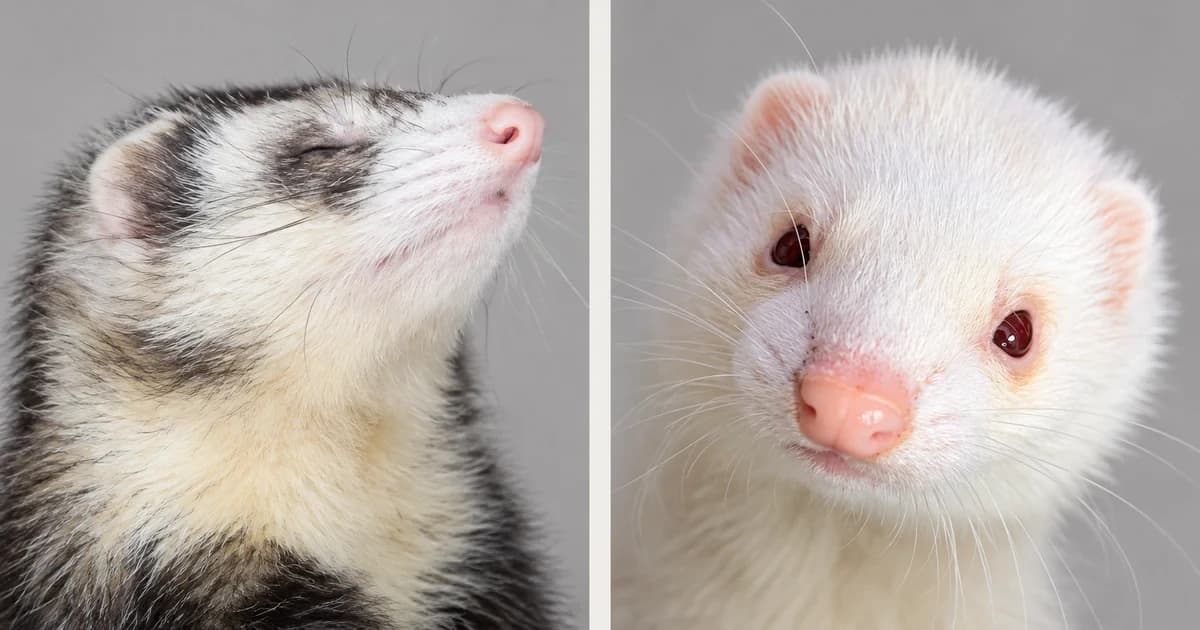
Good ferret enrichment ideas give your ferrets voluntary opportunities to sniff out food, investigate tunnels, and dig—while always leaving a quiet sleeping hide where they can end the game whenever they choose. If you are looking for practical ways for how to keep a ferret entertained, rotate one or two setup options at a time, watch how each individual ferret responds, and run a quick stash-and-hazard cleanup after play (PDSA; RSPCA behaviour guide).
Check the play zone before setting out an activity
Before opening a play area or adding new props, inspect every floor-level corner for electrical cables, toxic houseplants, gaps behind appliances, and rubber or foam items a ferret could chew and swallow. Our ferret enclosure guide covers permanent housing layout, and every out-of-cage play session needs that same hazard sweep.
Keep the enrichment zone completely separate from small prey animals (such as rabbits, rodents, or birds), and make sure drinking water, a litter area, and an undisturbed sleeping retreat remain open throughout the session.
Compare ferret enrichment options: goal, setup, cues, and cleanup
Every ferret has individual preferences: treat the activities below as optional choices to offer rather than games every ferret must complete:
| Enrichment activity & goal | How to set it up | What to observe during play | End-of-session cleanup & check |
|---|---|---|---|
| Regular-ration foraging search (encourages natural scent-tracking and hunting behavior) | Take a portion of your ferret's usual daily dry kibble or regular ration and scatter or hide small pinches inside paper bags, along floor-level shelves, inside tunnels, or in a ferret-safe puzzle feeder. Do not invent a high-sugar treat menu. | Sniffing along baseboards, nosing into bags, or rolling the feeder. If a ferret ignores the puzzle, make the first kibble pieces easier to find before increasing difficulty. | Check corners and bedding for cached food stashes; remove any uneaten fresh/wet food daily while leaving normal dry grazing food available in their main bowl. |
| Tunnel & closed-hammock exploration circuit (supports burrowing instincts and voluntary hide-and-seek) | Lay wide, ferret-sized pipes or fabric tunnels along the floor leading to a low, enclosed hammock or dark sleeping box with at least two open exits so no ferret gets cornered. | Dashing through tubes, war-dancing, backing out, or curling up inside the hammock to nap. Leaving the tunnel to sleep is a normal choice, not a failed game. | Inspect tunnel interiors for droppings, hidden food, or chewed seams/wires, and wipe or air out damp fabric before storing. |
| Supervised digging box (channels natural digging without tearing up carpets) | PDSA suggests filling a large, stable plastic storage tub with dry uncooked long-grain rice or clean, untreated soil. Skip any filler (such as instant rice, packing peanuts, or dusty litter) whose ingestion or respiratory safety is uncertain. | Burrowing head-first, kicking filler backward, and popping in and out of the tub. Supervise closely the first few times to make sure your ferret digs rather than eats the substrate. | Sift out any droppings or stashed food, check that the filler stayed dry, and put a lid on or remove the tub if it becomes damp or soiled. |
Two complete activity examples you can run today
Use these two ready-to-run setups to put foraging and tunnel exploration into practice without changing your ferret's regular diet or core sleeping area:
Example 1: Five-stop regular-food foraging trail
Measure out a small portion of your ferret's normal daily dry food so you are not overfeeding or introducing unfamiliar ingredients. Place five small piles at nose height around the safe play zone: one at the mouth of a floor tunnel, one halfway inside, one under a crumpled kraft paper sheet, one on a low platform, and one inside a slow-dispensing food ball. Let your ferret enter the area on its own and follow its nose from stop to stop. When the ferret finishes searching and heads to its hammock, leave its standard food bowl accessible for normal grazing and check hiding spots later for any damp or fresh food stashes.
Example 2: Y-junction tunnel and retreat loop
Connect two or three wide play tunnels on a non-slip floor so one branch leads toward an open play mat and the other leads directly beside a covered sleeping box or low hammock. Never block the exits while a ferret is inside a tube, and never shake a tunnel to force a resting ferret back into action. Rotating the angle of the tubes or swapping a straight pipe for a curved one every few days creates a new exploration path without changing their core sleeping area.
Read body language: distinguish normal rest from distress
Active searching, bouncing, and retreating to a dark bed after a short burst of energy are all normal parts of ferret behaviour. Never pull a sleeping ferret out of its hideout to keep playing.
Conversely, the RSPCA notes that hissing, biting, screaming, or frantic fleeing can signal fear, pain, or illness without pinpointing the exact cause on its own. If your ferret shows sudden defensive aggression, vocal distress, or uncharacteristic lethargy during play, end the session calmly, leave a clear path to its retreat, and consult a ferret-savvy veterinarian.