Prepare the insects and the cleanup before opening the enclosure.
Plan for an adult
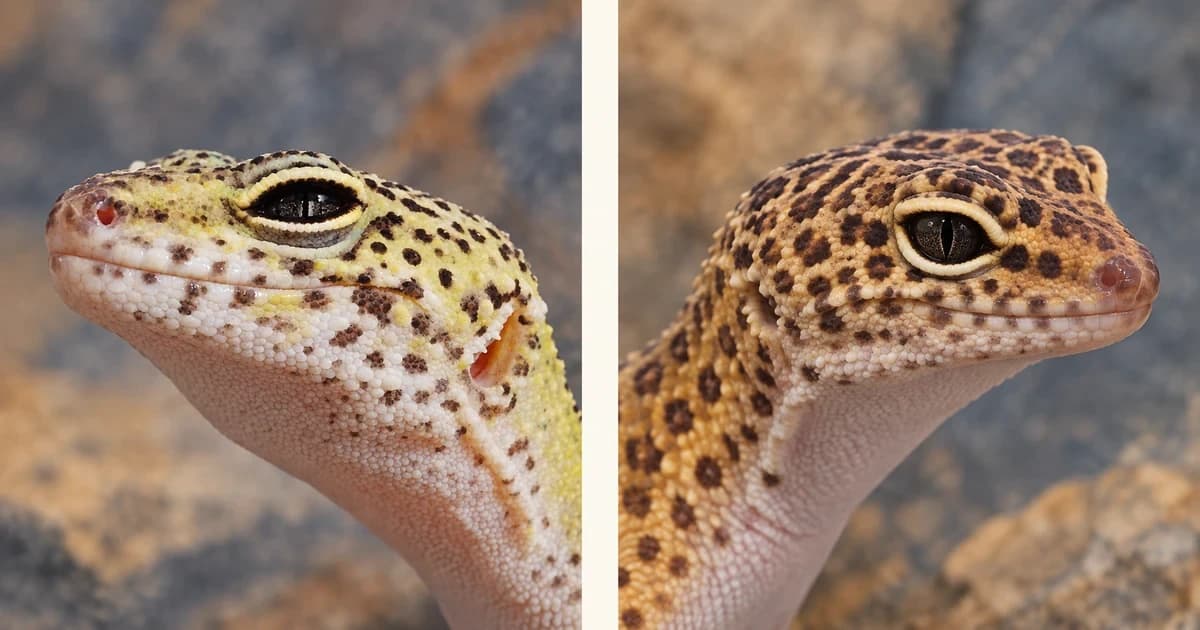
Reptile diets depend on species, size and maturity. Establish the plan for this adult leopard gecko rather than borrowing another lizard’s menu.
The RSPCA’s leopard gecko guide recommends varied live invertebrates, such as crickets, calciworms and locusts, no bigger than the gecko’s head. Its adult example is feeding every other day. Weigh regularly; discuss concerns and individual adjustments with a reptile vet.
Prepare the insects
Keep feeder insects fed and hydrated. This guide specifies gut-loading with an appropriate formulated diet 24–48 hours beforehand. Lightly dust livefood with vitamin and calcium supplements immediately before offering it, following the chosen brand’s instructions. Keep a separate small bowl of plain calcium available.
Offer, clear and observe
Offer the prepared livefood in the vivarium and remove uneaten insects, which can bite. Keep shallow fresh water at the cool end; clean and replace it at least daily and whenever soiled.
Keep reptiles and their food and supplies away from kitchens and other places where human food is prepared, stored or eaten. Wash hands with soap and running water after touching the gecko, its food or equipment.
Keep meal notes alongside the weight record.