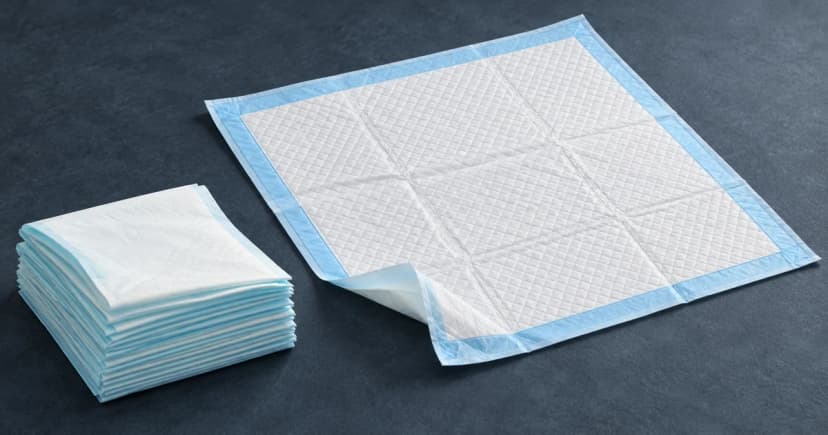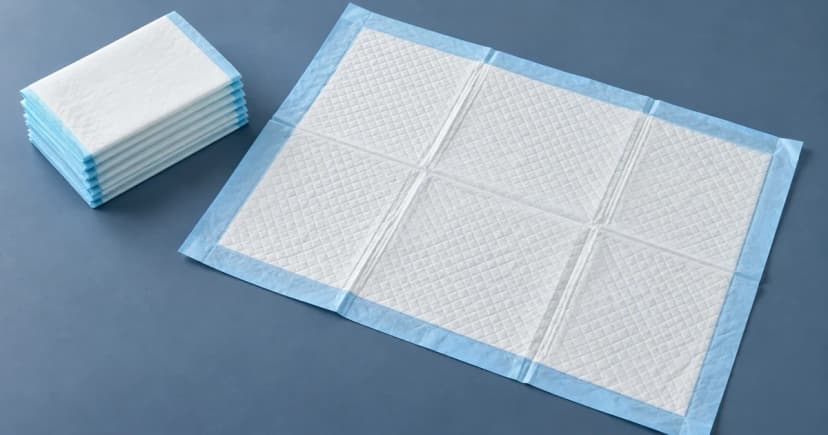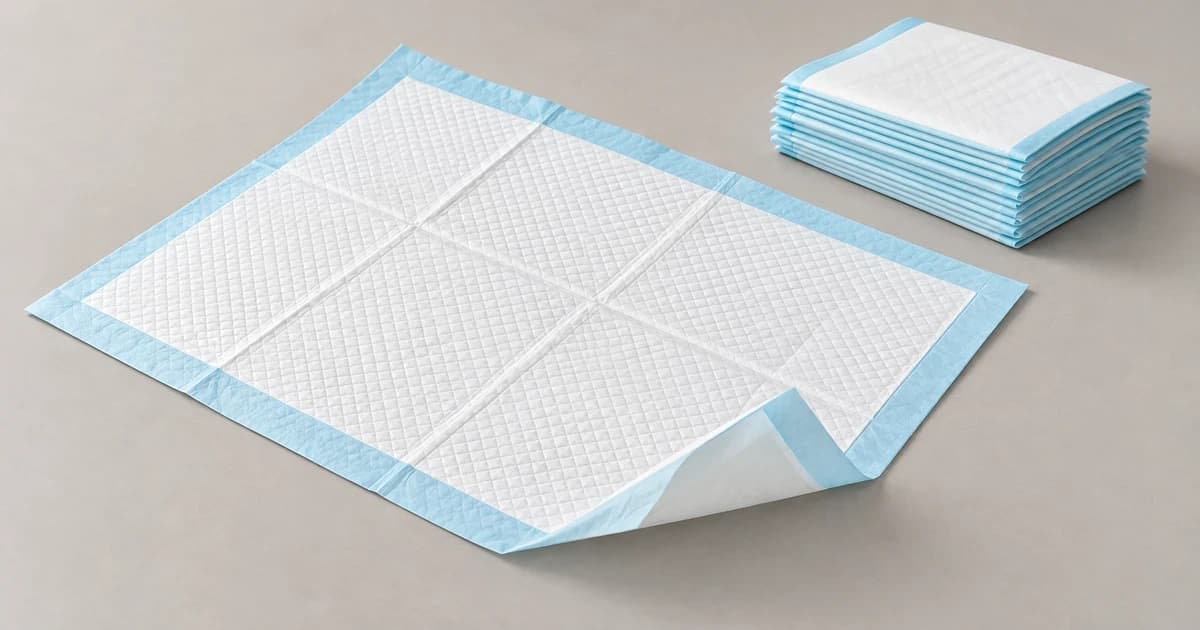
To pee pad train a puppy, keep one intended pad area consistent, watch for opportunities to use it, and reward the puppy immediately after it finishes there. A pad on the floor is only the target; the learning comes from repeated opportunities and a clear connection between using that place and receiving a reward.
Training a puppy on a pee pad means connecting one recognizable place with repeated observed opportunities and a reward after the puppy finishes. Keep the pad area consistent, note what happened around each attempt and respond to accidents without punishment. That record helps decide what to repeat; the pad’s absorbent construction is not the training itself.
Start with a routine you can observe and repeat. There is no fixed number of days or universal interval that makes every puppy trained. This guide covers learning an indoor pad area, rather than crate training or moving an established toilet routine outdoors.
Make the intended place easy to recognize
Chewy's pad-training guide emphasizes showing the dog where to go and keeping the location consistent. If small rugs nearby create a confusing choice of surfaces, remove them while establishing the intended area.
Let the puppy become familiar with that spot; do not assume that placing a pad there teaches its purpose. If you choose a toilet cue, use the same calm wording rather than repeatedly calling instructions. Continue the routine after a few successful uses instead of treating those successes as completed training.
Before starting, identify the pad area and who will be watching the puppy. Keep rewards ready to use. When choosing disposable pee pads, check the actual product's size, placement and disposal instructions. An appearance or an attractant claim does not establish how this puppy will respond.
Offer the pad when you can observe the opportunity
The American Kennel Club's potty-pad guide identifies waking, eating and play as occasions to watch for a toilet opportunity. It also describes signals such as sniffing or circling. Watch the individual puppy rather than borrowing a holding-time formula based only on age.
When you notice those signs before elimination, calmly guide the puppy to the intended pad area. Stay attentive so you can recognize whether it actually uses the pad. Do not hold it there until it performs.
Once it finishes on the pad, promptly give praise and a small training reward. Have the reward available beforehand: searching for it after the puppy has wandered away weakens the clear sequence you are trying to establish. Reward the completed use, rather than interrupting the puppy midway.
If nothing happens, record that attempt and continue observing. A visit to the area is different from elimination there. Neither a missed opportunity nor one successful attempt calls for a forced repeat or a claim that training has failed or finished.
Respond to accidents without punishment
The RSPCA's general toilet-training advice supports rewarding the intended behavior and never punishing an accident. Its page describes outdoor training; those humane learning principles do not make its outdoor routine a separate indoor-pad protocol.
If you discover a mess afterward, calmly clean it rather than scolding the puppy or pushing its nose toward it. If you have concerns about toileting or continuing difficulties, seek individualized veterinary or qualified behavior advice instead of diagnosing the cause from a training log.
Keep cleanup separate from the next learning opportunity. Follow the cleaner's instructions for the affected surface and the pad's disposal directions; do not combine cleaning chemicals or improvise a disinfection recipe. This routine supplies no promise about odor removal, floor protection or disease prevention.
Use a short record to decide what to repeat
If you are working out how to get your puppy to use a pee pad consistently, record what happened around each attempt. The useful comparison is between opportunities and outcomes, not between your puppy and a promised deadline.
| Record | Example of a useful observation |
|---|---|
| Context | Woke from a nap; watcher noticed circling. |
| Opportunity | Guided to the same pad area before elimination. |
| Outcome | Finished on the pad, went elsewhere, or did not eliminate. |
| Reward | Given immediately after finishing, or delayed while it was found. |
| Next attempt | Keep the location consistent and have the reward ready. |
Review that record with everyone helping. It can reveal a moved target or a delayed reward without inventing a new rule about the puppy's body. Do not withhold water, force confinement on a pad, or replace supervision with a prediction about how long a puppy should hold on.