Learning how to introduce a dog to a cat safely starts with a household management plan before the animals ever see each other: set up separate rooms and high escape routes for the cat, exchange scent items first, progress to barrier sessions with the dog on a lead, and advance only when both the dog and the cat show calm, voluntary body language. Confirm who handles each animal and who takes over supervision afterward.
Prepare separate spaces and high escape routes
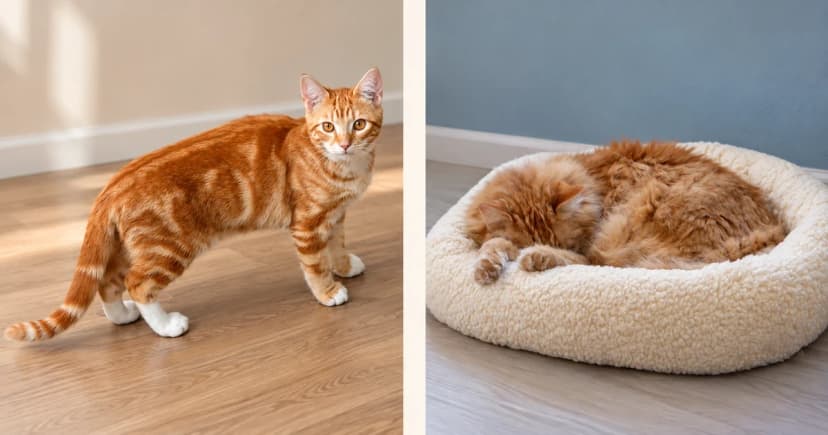
Discuss each animal's background with the shelter, rehoming centre, or a qualified behaviour professional before starting. Following Cats Protection's guide on dogs and other pets and Battersea's dog-to-cat introduction advice, give the cat dedicated food, water, litter trays, beds, and hiding spots in a dog-free zone, plus access to high shelves or perches the dog cannot reach. Set up a separate resting area for the dog as well.
Walk through the room rotation plan with every caregiver in the home so each person knows where one pet stays while the other uses shared space. For bringing a newly adopted dog home on day one, see our rescue-dog arrival guide and keep cross-species introductions separate from the first night.
Start with scent swapping, then barrier sight sessions
As described in Battersea's cat-and-dog introduction guide, swap soft bedding or cloths between the two spaces and let each animal sniff or walk away at will. Rather than looking for a vague "no reaction," watch for relaxed sniffing followed by normal resting, eating, or moving away calmly without stiffening, barking, whining, or hissing at the cloth.
When both animals stay relaxed around each other's scent, assign one handler to the dog and a second person to monitor the cat across a secure baby gate or screen barrier. Keep the dog on a lead at a distance where they cannot lunge at or reach the barrier. Cats Protection and Battersea both emphasize rewarding the dog for looking away from the cat and turning attention back to the handler, while making sure the cat can leave the doorway or jump up high at any moment.
Meet or step back: observe both the dog and the cat
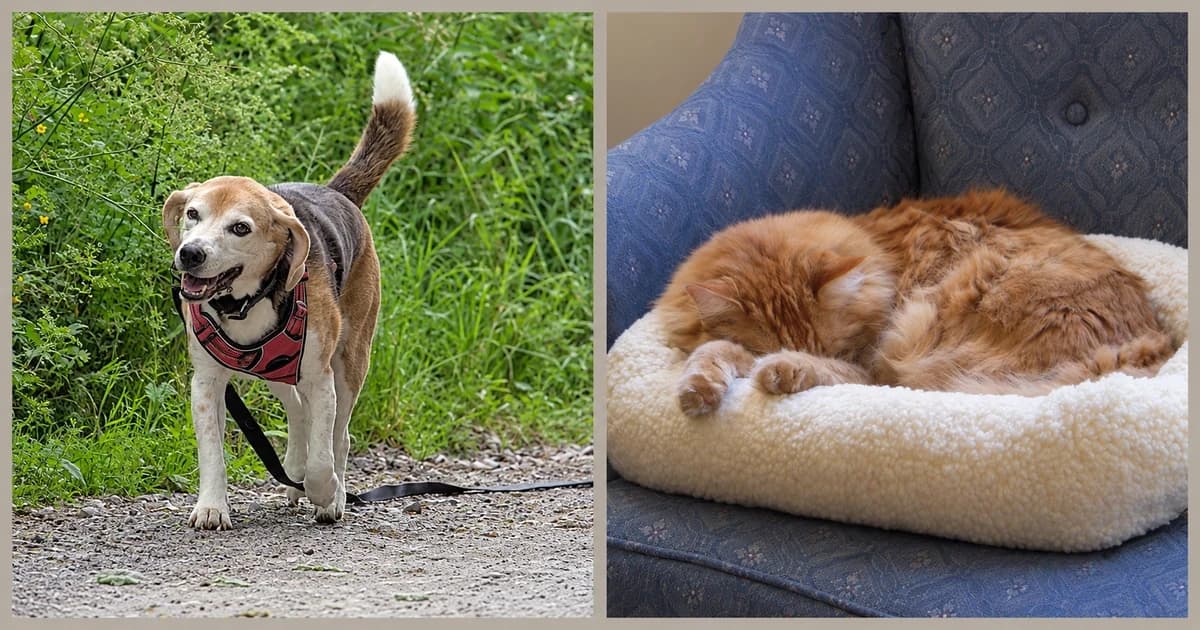
Offer a brief, supervised room session without the gate only after both animals stay relaxed during barrier sightings. Keep the dog on a secure lead with their handler and leave the cat completely free to approach, perch high, or walk out of the room. Increase distance or end the session immediately if the dog locks eyes on the cat, pulls on the lead, or cannot redirect attention to you for a cue or reward.
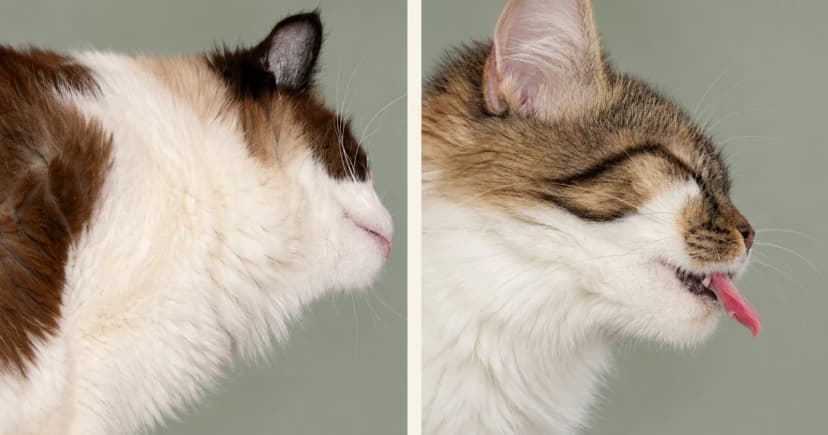
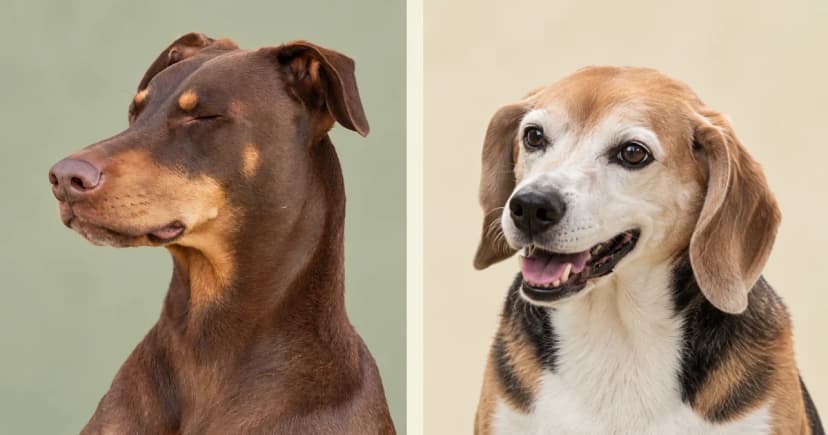
Crouching low, hiding, ears flattened, hissing, growling, stiff staring, whining, or any attempt to chase are clear signals to separate the pets calmly and return to an earlier stage. Significant fear or predatory fixation calls for veterinary or qualified behaviourist support before trying again. Always keep the dog and cat separated by a closed door whenever active adult supervision is unavailable.
A dog looking back at you for a treat does not, by itself, tell you how the cat feels—and a cat sitting frozen is not necessarily relaxed. Record what both animals actually did in each session:
| Stage & setup condition | Dog's observed behaviour | Cat's observed behaviour | Next decision & caregiver note |
|---|---|---|---|
| 1. Scent swap (bedding in separate rooms) | Sniffs the cloth briefly with loose posture, then walks away or settles normally (vs. barking, whining, or pawing at the cloth). | Sniffs or ignores the cloth while eating, grooming, and using the litter tray normally (vs. hissing, hiding, or avoiding the area). | Repeat scent swaps until both pets stay loose and unbothered; do not rush to visual contact on a fixed calendar. |
| 2. Barrier sight (gate closed, dog on lead at distance, cat exit open) | Notices the cat, then turns back to the handler when called or offered a reward without straining or staring fixedly. | Watches calmly from a perch or floor with open routes to leave, or walks out at an unhurried pace without hissing or crouching flat. | Keep practising short barrier sessions if either pet freezes or stares; step back to greater distance if the dog fixates. |
| 3. Supervised room session (dog on lead, cat free to leave or climb) | Responds to handler cues, settles on a mat, and disengages when the cat moves. | Moves freely around the room or rests on a high perch without hiding, puffing up, or swatting. | End while calm and separate into their own rooms afterward; never leave them together unsupervised. |