Introducing a new dog to a resident dog starts with separate home resources, a manageable first meeting on neutral ground and continued supervision—letting both your resident dog and the new arrival guide the pace because a calm outdoor walk alone does not establish comfortable indoor sharing.
Prepare places and people
Battersea recommends separate feeding areas, several water points and undisturbed resting places for each dog. Put toys away when access could create competition. Plan individual attention as well as time apart. Neither dog has to share a bed or approach the other.
Discuss individual readiness and existing concerns with the provider, veterinarian or qualified behaviour professional before arranging a meeting.
Identify who will accompany each dog and where each can return afterward. Confirm those arrangements with the people involved. For the separate collection, arrival and first-night care job, use our rescue-dog arrival guide.
Begin with distance outdoors
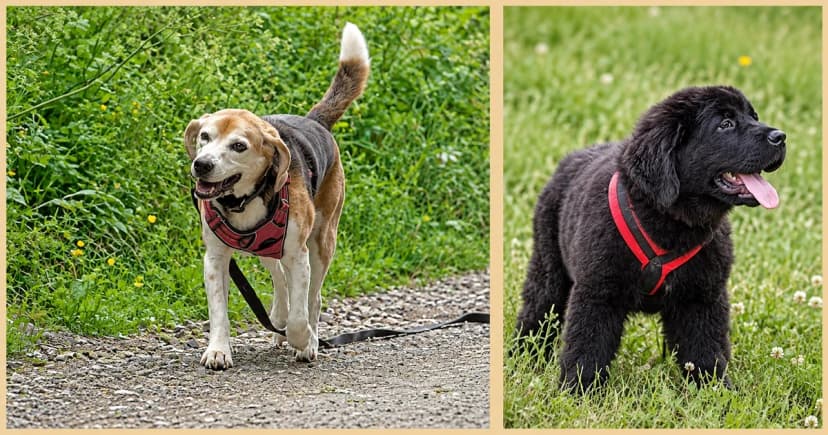
Have one adult handle each dog on lead in a neutral outdoor area. Dogs Trust starts with separate walking at a distance. Move closer only while both remain comfortable. Allow a brief sniffing greeting, then keep moving; increase distance if either struggles.
Do not push the dogs together or pick either up to create a greeting. A successful neutral encounter does not establish comfortable home sharing.
Agree where the walk will end before starting it. Reaching the house is not a requirement to complete every planned step. Record the point actually reached, including an encounter that ended at a distance.
Continue carefully at home
Blue Cross recommends keeping the dogs separated during any journey home and feeding them apart.
Resolve the actual journey and care handover in our dog car-travel guide; this introduction plan supplies no restraint installation instructions.
If the outside meeting went well, continue in a spacious neutral home area, away from sleeping or feeding places. Supervise shared time; use separate rooms whenever you cannot.
Keep breaks available
Continue giving each dog their own attention and retreat. If using a gate, supervise both sides: do not let either jump it or bother the other through it. A gate is not permission for unattended contact.
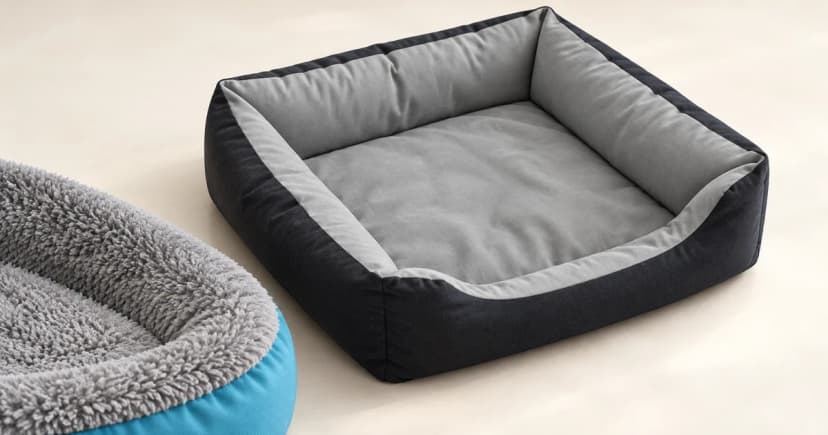
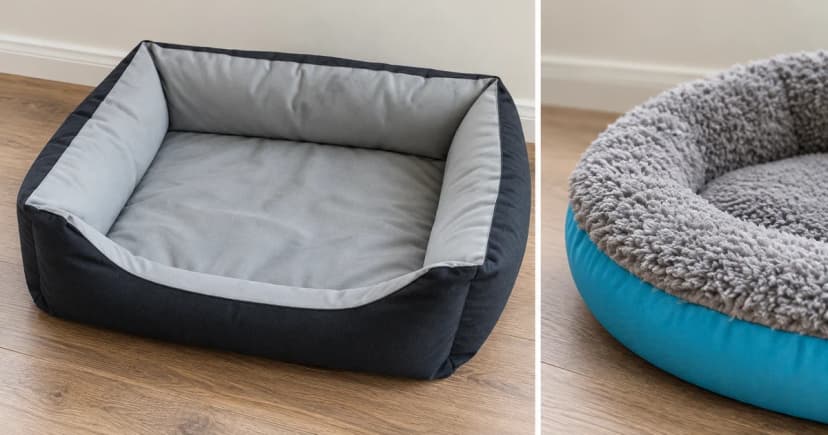
Walk through the proposed room arrangement with the next caregiver. State which dog uses which space and who takes over supervision. When browsing dog beds and bedding, keep the intended resting place and the item's own instructions in view.
Know when to stop and record both dogs' responses
Walking away or turning away calls for more space. For barking, lunging or snapping, stop the attempt and keep the dogs apart. Consult a qualified trainer or behaviourist before another introduction; consult your veterinarian for injury.
Describe each dog's actions separately when sharing notes or seeking professional help. Note the setting, the contact offered and what happened after space was increased. Writing only “The new dog approached” leaves the resident dog's response open. Keep the next plan tied to both individuals rather than marking the pair as having passed a test.
| Observation & Handover Field | New Dog (Observed Actions & Assigned Space) | Resident Dog (Observed Actions & Assigned Space) |
|---|---|---|
| 1. Setting & handlers | Neutral park path on loose lead with Adult A; later returned to quiet back room. | Same park path at parallel distance on loose lead with Adult B; later returned to living room. |
| 2. Actions during parallel walk / brief greeting | Walked forward, looked toward resident dog, and stepped closer for a two-second sniff. | Sniffed briefly, then turned head away and stiffened slightly before walking on. |
| 3. Response after increasing distance | Shook off and sniffed the grass once handlers widened the gap by several paces. | Lowered tail and resumed normal walking pace once extra space was restored. |
| 4. Separate home zones & next step | Rests and eats in the closed study with water bowl #1 (supervised by Adult A); do not advance to indoor shared time yet. | Rests and eats in the sitting room with water bowl #2 (supervised by Adult B); repeat parallel outdoor walking at a wider distance next session. |