To keep a dog cool outside during a supervised rest in the garden, set up a genuinely shaded resting spot, place fresh drinking water within immediate reach, keep activity calm and quiet, and keep a cooler indoor room ready to use at any moment. Those steps support a short, supervised outdoor rest—they do not make every warm day safe for outdoor time, and no thermometer reading or timer can guarantee a setting is safe for every dog.
Urgent overheating and veterinary boundary: Shade and water are everyday comfort provisions, not protection against heatstroke. If you are worried that your dog is overheating or becoming unwell, stop outdoor time immediately, move to a cool space, and contact a veterinarian promptly. Collapse or difficulty breathing needs immediate veterinary attention—see End the rest when the conditions no longer fit below rather than pausing to adjust garden shade or accessories.
| Situation | What It Covers | Immediate Action to Take |
|---|---|---|
| Routine supervised garden rest (comfortable dog, mild conditions) | Checking that the exact resting patch is out of direct sun, fresh water is poured and reachable right there, play stays calm, and the door to a cooler indoor room is ready. | Monitor continuously as sun angles shift; move indoors as soon as the shade moves or your dog seems restless. |
| Overheating concern or emergency signs (unwell dog, heavy panting/distress, collapse, or difficulty breathing) | Any worry that your dog is becoming too hot or unwell, or urgent signs such as collapse or difficulty breathing. | Stop outdoor activity at once and seek prompt veterinary help—or immediate emergency veterinary care for collapse or breathing difficulty (details below). |
Walk through the resting place before bringing your dog out
The UK veterinary charity PDSA recommends fresh, clean water around the home and garden and a shady spot to lounge, noting that trees, shrubs, or a gazebo provide better airflow than an enclosed sun-baked structure, and that a cooler indoor room is the right choice when outside conditions are too warm. PDSA also advises keeping energetic dogs calm rather than encouraging high-exertion games like fetch in warm weather.
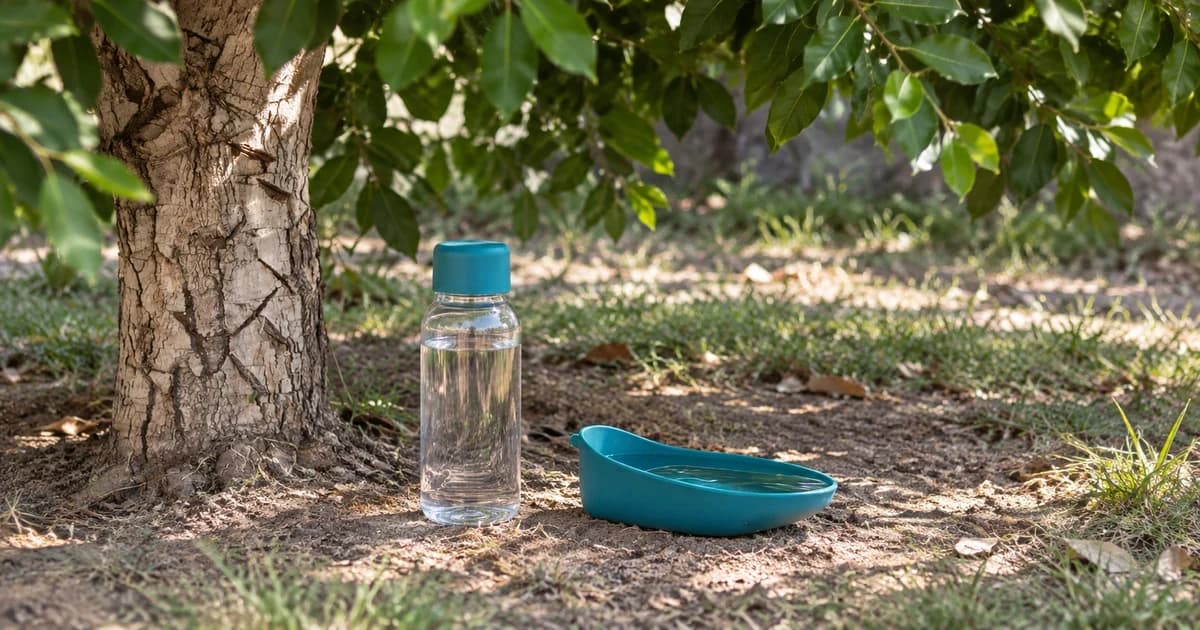
Inspect the exact patch of ground where your dog will lie, where the water bowl will sit, and the path back indoors before bringing your dog out. Shade in another corner of the yard does not help if your dog settles on a sunlit patio.
| Part of the Arrangement | Question to Resolve Before Settling | If the Answer Changes or Is Unclear |
|---|---|---|
| Resting place | Is this exact patch of ground out of direct sun right now? | Choose another shaded spot or head straight to the cooler indoor room. |
| Drinking water | Is fresh water poured and reachable from where the dog rests? | Set the filled bowl in the shade before bringing your dog outside. |
| Indoor alternative | Which cooler indoor room will we move to if outdoor rest no longer suits? | Prepare that room and keep the route open before starting outdoor time. |
| Activity level | Are we settling quietly or turning the rest into active chasing or fetch? | Put toys away and switch to quiet indoor rest instead of adding active play. |
Make drinking water part of the shaded location
The US CDC advises providing plenty of fresh water and placing it in a shady area. Note that the CDC's linked HeatRisk forecast tool is calibrated for human health categories rather than serving as a safe-temperature clearance for dogs.
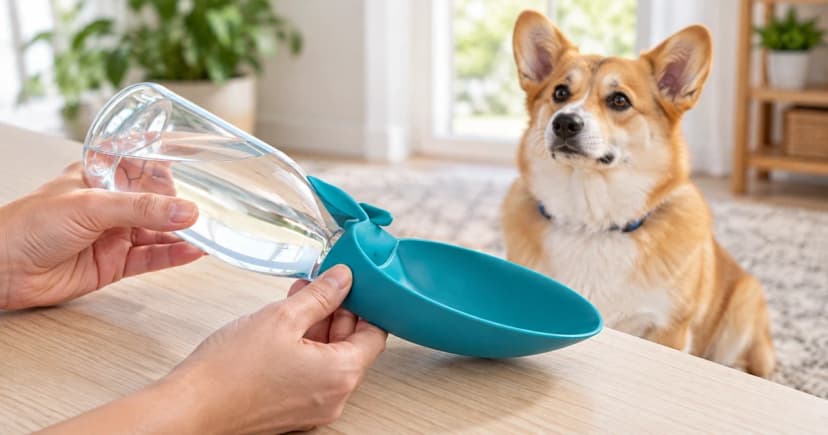
Distinguish water stored in a closed bottle from water your dog can actually lap freely. Place a stable, filled bowl in the shade before the rest begins and check it so warm or tipped water is replaced promptly.
If you use a portable dispenser or trough bottle in the yard or on walks, test its valve and seal ahead of time using our travel water bottle assembly guide.
Keep the plan flexible for your individual dog
The UK charity Dogs Trust explains that heat tolerance has no one-size-fits-all answer: breed, coat, flat-faced conformation, age, weight, and underlying health all affect how quickly a dog struggles in warm weather. Dogs Trust also warns that many dogs will keep chasing a ball or playing even when dangerously hot and tired—meaning eagerness to play is never proof that outdoor conditions are safe. Discuss individual health risks with your vet rather than copying another dog's routine.
For instance, if you sit outside to read while your dog rests in the shade, and the sun shifts onto the grass, the water bowl tips over, or family members start throwing a ball, treat that as a changed setup: end the outdoor session and move inside rather than waiting to finish your chapter.
End the rest when the conditions no longer fit
Keep the cooler indoor room as your default fallback from the start. Whenever the garden feels too warm or your dog cannot settle comfortably, move indoors instead of relying on extra outdoor accessories to extend the stay.
If you are worried that your dog is becoming unwell or overheating, stop the outdoor activity immediately and seek prompt veterinary advice. Collapse or difficulty breathing needs immediate veterinary attention. Never use a household checklist to diagnose heat illness, wait for a timer to finish, or troubleshoot garden equipment before contacting a vet.
Sources: UK welfare guidance from PDSA and Dogs Trust, plus the US CDC's water-and-shade guidance for pets. This article organizes routine garden rest checks and does not provide a clinical cooling protocol or universal safe-temperature threshold. See our editorial policy.