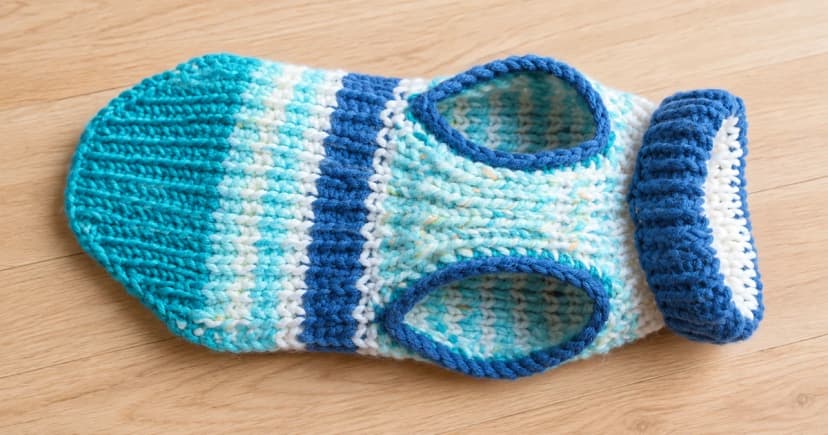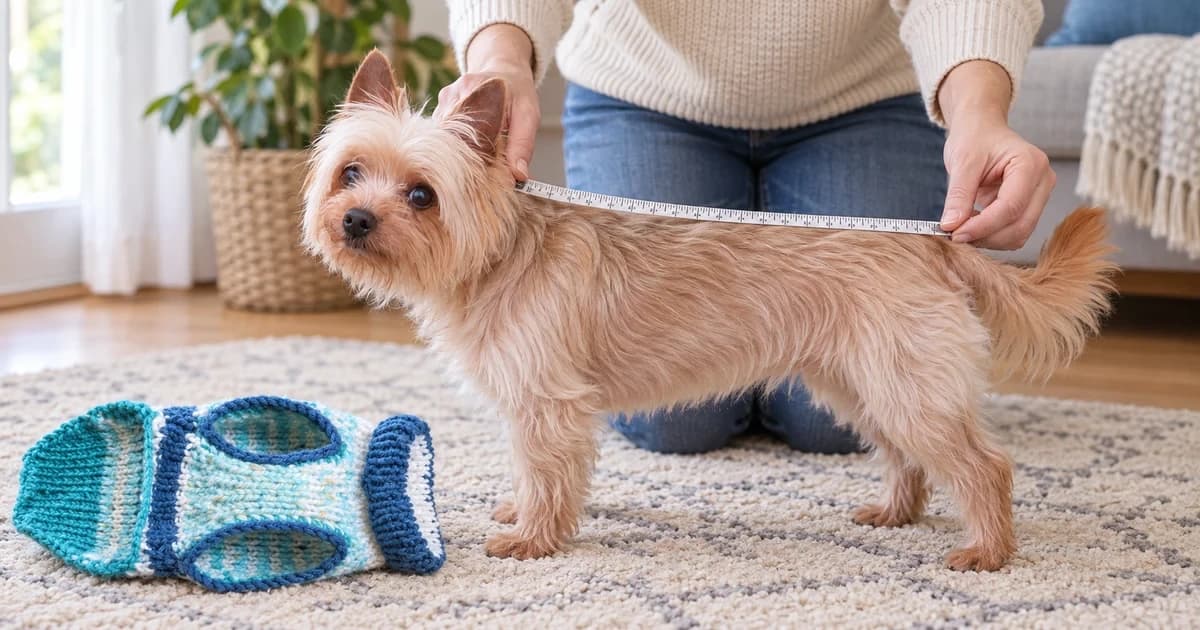
Knowing how to measure a dog for clothes starts with three core body readings taken while your dog stands naturally on all four feet: widest chest circumference, lower-neck circumference near the shoulders, and back length from the base of the neck to the base of the tail—followed by a separate underside check for belly and toileting clearance. Because garment cuts and stretch vary across brands, a letter size like “Medium” or a dog sweater size chart by weight cannot replace matching your dog's exact numbers to the specific model's chart.
Whether you are looking up how to measure a dog for a coat or logging dog sweater measurements, your goal is a reusable dated record that pairs each body landmark with the exact garment chart you are comparing.
How to measure a dog for clothes: four spatial zones to record
Use a soft sewing tape—or mark a piece of non-stretch string and lay it along a flat ruler—while a helper keeps your dog standing level and looking forward. Pause if your dog sits or twists, because a curved spine alters back length. Hurtta's measuring guide highlights lower neck, widest chest, and neck-to-tail back length, while reminding owners to check the selected brand's diagram first because back-length starting points and fur allowances vary by manufacturer.
| Spatial Zone | Exact Landmarks & Endpoints | Units, Brand Allowance & Boundary to Record |
|---|---|---|
| 1. Chest circumference (Girth) | Wrap the tape in a vertical loop around the widest part of the ribcage, just behind the front legs. | Record inches and centimeters. Keep the tape snug over the coat without flattening fur; apply a specific finger allowance (such as Hurtta's ~one-finger guidance over fur) only when that brand's chart calls for it—never add an automatic 2 inches across every chart. |
| 2. Lower-neck circumference | Measure around the wider base of the neck where a coat collar or sweater neckline rests near the shoulders. | Record full circumference at the shoulder base; do not substitute a high-neck collar reading taken right behind the ears. |
| 3. Back length (Model-specific start) | Measure horizontally along the spine from the neck/shoulder landmark shown on the selected garment's diagram to the base of the tail (excluding the tail itself). | Write down which starting landmark the brand diagram uses (collar line vs. between shoulder blades), as different brands start their back line at slightly different points. |
| 4. Belly panel & toileting clearance | Inspect underside length along the abdomen separately from top back length, especially for male dogs. | Keep underside clearance separate from spine length; never falsify or shorten your recorded back-length number to compensate for a garment with an overly long belly panel. |
Date your notes and re-measure any reading that shifts between tries. When evaluating full-body overalls or sleeved fleece suits, record leg or waist measurements only at the exact landmarks illustrated on that garment's page.
Find out what the dog sweater sizing chart or coat chart is measuring
Before picking a size row on a dog sweater sizing chart or coat table, verify whether the listed numbers describe the dog's body range or the finished garment's dimensions. A body-measurement row (“fits dogs with a 20–22 in chest”) is read differently from a flat-laid garment width or an unstretched knit circumference.
When a listing states only a single number such as “Chest: 20 inches,” check the page notes to see whether that figure represents full circumference or flat half-width, and how much ease or knit stretch is built into the cut. If a product table and prose description list conflicting neck numbers for the same size, log both figures and hold off until the discrepancy is resolved rather than averaging them.
When browsing dog sweaters or raincoats, always match your recorded numbers to that specific item's dog sweaters size chart.
Use garment cut to solve a mismatch between chest and back
Going up one letter size increases chest, neck, and back length simultaneously—which can give a broad-chested dog enough ribroom while leaving the back panel overhanging the tail. When your dog's chest and back fall into different rows on a chart, look for a different cut rather than forcing a single size row to work.
Chilly Dogs' measuring instructions prioritize chest and neck first and use back length to select among distinct body proportions. Their coat sizing chart separates Standard, Long & Lean, and Broad & Burly cuts—illustrating why a whippet-type build and a stocky bulldog build of the same weight require different patterns:
- Long back with a narrow ribcage: Choose a long-bodied cut rather than sizing up in a standard pattern that leaves the chest and neck gaping.
- Broad chest with a compact back: Prioritize chest girth and shoulder clearance first, paired with a shorter rear panel.
- Non-stretch pullover vs. adjustable wrap: When learning how to measure for a dog sweater, remember that a closed knit neck opening must slide comfortably over the head and ears, whereas a hook-and-loop or zippered coat opens around the neck.
Try the garment on and check these five areas
Conduct a calm indoor fitting with closures fastened as designed, without forcing reluctant paws through tight sleeves:
- Neck and shoulders: The neckline should rest cleanly at the shoulder base without pressing on the windpipe, riding up toward the ears, or restricting foreleg reach.
- Chest and fasteners: Straps, zippers, or snaps should close smoothly without straining across the ribs or leaving loose sagging folds underneath.
- Armholes and sleeves: Check behind the elbows for seam chafing and verify that cuffs do not slide over the paws while walking, turning, and sitting.
- Back line and tail base: The rear hem should stop near the base of the tail without pinning the tail down or sliding sideways.
- Belly and toileting clearance: As both Canada Pooch's sizing guide and the AKC gear measuring guide emphasize, check the underside carefully so the belly panel leaves the genital area and rear completely clear for toileting.
If your dog freezes, scratches at a seam, or shows an altered gait, remove the garment immediately—even if the size chart matched on paper.
Keep the record current and recheck after growth or grooming
Update your measurement card as puppies grow or after a heavy coat trim, and never buy an oversized garment for a puppy to “grow into” if loose straps or hems snag paws today. When comparing coats and jackets, use your four-zone record to verify model-specific dimensions; our editorial policy explains how we separate published brand sizing standards from hands-on garment testing.