

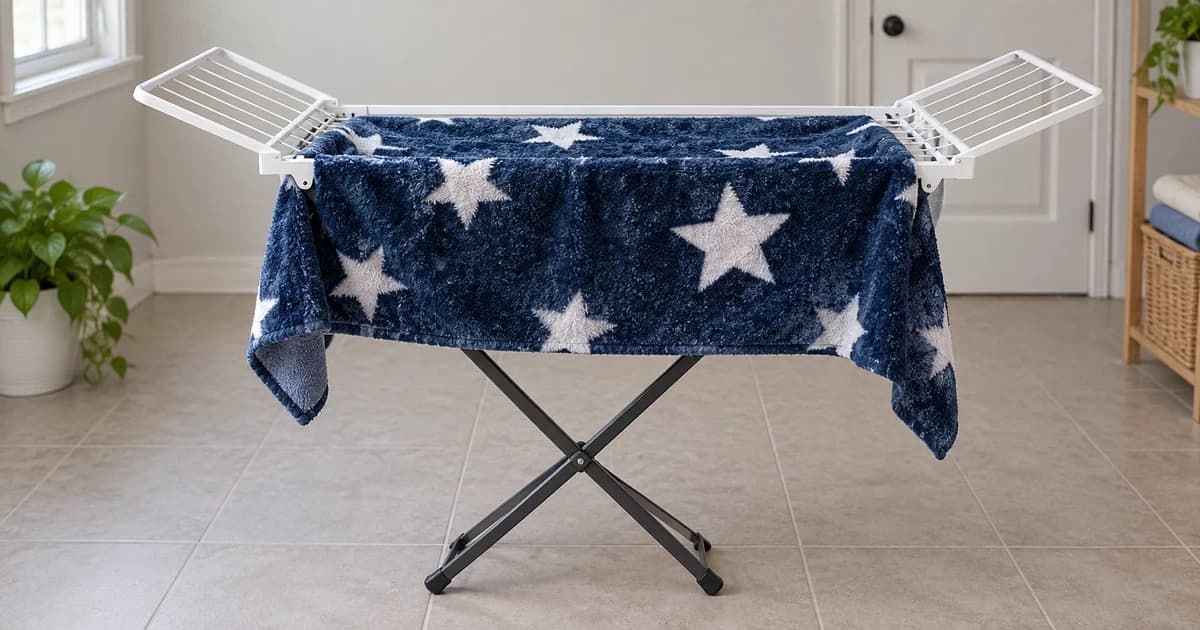
To prepare and wash a guinea pig fleece liner safely, follow the care instructions for its complete multi-layer construction—including the absorbent core, waterproof or water-resistant backing, and any sewn burrowing pockets—rather than treating it like a plain fleece blanket. Brush off hay, hair, and droppings before washing, use only the cycle and detergent rules specified for your exact model, and confirm that every layer, corner, and pocket is completely dry before returning the liner to the guinea pig cage.
Start with the product label on your specific liner. Some items sold as guinea pig fleece liners are multi-layer absorbent pads with waterproof backings, while others are single-layer fleece covers that require a separate absorbent base underneath. This guide helps you organize a repeatable wash-and-dry record for your liner; it does not establish a medical disinfection protocol or a fixed number of days between changes.
Identify the full layer construction before washing
Check the product specification for the top surface, inner core, bottom backing, quilting, and any attached pockets or straps. Note which face goes up inside the guinea pig cage and whether a separate absorbent pad is needed beneath it.
| Liner Construction Type | What to Confirm on the Care Label |
|---|---|
| Thin fleece or flannel cover | Does it require a separate absorbent layer underneath, and what are the individual wash/dry rules for both pieces? |
| Multi-layer liner with waterproof backing | What water temperature, spin speed, and drying limits apply to the backing and inner core—not just the top fleece? |
| Liner with an attached burrowing pocket | How must the pocket be turned inside out, brushed clear of hay, and folded before going into the drum? |
| Specialty core or shrink-sensitive backing | Does the brand prohibit fabric softener, bleach, tumble drying, or hanging over direct radiators? |
Prepare a new liner before its first use
Check both the pre-use preparation directions and the routine laundry care tag. For example, GuineaDad recommends washing its liners before first use, directing owners to turn the burrowing pocket inside out and fold the liner with the blue waterproof backing on the inside. Those folding and pocket steps apply specifically to that GuineaDad design rather than every liner sold online.
Complete your liner's stated pre-wash and let every layer dry completely before placing it in the enclosure, checking afterward that the backing lies flat and all seams remain intact.
Clear hay, droppings, and pockets before loading the washer
Move your guinea pigs into a safe, clean holding area or spare setup away from laundry detergents and appliances while changing bedding. Lift out hides, hay racks, and bowls so you can brush off loose hay, droppings, and fur across the entire surface. In its spot-cleaning and laundry guide, GuineaDad emphasizes brushing debris from both the main surface and the inside of its burrowing pocket; Kavee likewise instructs owners to shake and brush off hay and droppings before machine washing its Dalmatian liner.
Compare brand-specific wash and drying rules and record your own liner's tag
The three published brand examples below demonstrate why you cannot combine different guinea pig fleece liners into one universal temperature or dryer rule—notice that GuineaDad permits a lowest-heat dryer stage finished by air drying, whereas both Guineapet and Kavee explicitly prohibit tumble drying:
| Named Liner & Construction | Published Washing Directions | Published Drying Permission & Restriction |
|---|---|---|
| GuineaDad Liner (multi-layer with waterproof backing & burrowing pocket) | Turn pocket inside out, fold with blue waterproof side inside; wash in cold or warm water on medium spin and stated soil setting (extra rinse/spin where available); dose detergent per bottle instructions (GuineaDad laundry guide). | Lowest dryer setting permitted for a timed stage, followed by air drying the rest of the way; medium and high heat are excluded. |
| Guineapet 2X5 Fleece Liner (multi-layer cage liner) | Cold or low-temperature wash up to 30°C on a delicate or woollens cycle with neutral mild detergent and no fabric softener (Guineapet care section). | Spin-dry only; never tumble dry. Hang to dry away from direct sunlight and heat sources. |
| Kavee Dreamy Dalmatian Plush Liner (padded fleece liner) | Brush off debris first; machine wash at 30°C and 1200 rpm (a laundry bag is suggested) (Kavee care instructions). | Dry on a rack; avoid tumble drying and never hang directly over a radiator or heater. |
Right alongside those brand examples, use the blank record table below to transcribe the exact care label for the liner you own—leaving fields blank until verified from your product's tag rather than copying a 30°C or dryer rule from another brand:
| Care-Record Field | What to Transcribe From Your Liner's Label or Manual | Your Liner's Verified Entry (Fill In) |
|---|---|---|
| 1. Exact model & layer construction | Brand, size/model name, top fabric, inner absorbent core, waterproof backing, and any pocket or separate base pad required | [Write model & layers here — do not assume from surface feel] |
| 2. First-use preparation & pre-wash | Stated pre-wash instructions, pocket inside-out rule, folding orientation, and laundry-bag permission | [Write first-use prep & folding rule from label] |
| 3. Permitted wash cycle & detergent rule | Permitted water temperature, cycle type, spin limit, detergent dosing rule, and softener/bleach exclusions | [Write exact wash settings from label — no universal default] |
| 4. Drying permission & heat restrictions | Whether tumble drying is prohibited (rack/line only away from sun/heaters) or lowest-heat partial drying is permitted | [Write rack/line vs. permitted dryer rule separately from washing] |
| 5. Full-dry & condition check + backup liner | Check that backing, thick corners, and pocket seams are 100% dry and intact before reuse; confirm which clean spare liner goes in during laundry | [Confirm dry backing/pockets & name backup liner location] |
Finish drying the backing, folds, and pocket seams
Always log drying rules separately from washing rules. Even when a brand like GuineaDad allows a low-heat timed dryer stage followed by air drying, the liner is not ready for the cage until thick corner seams, inner absorbent cores, and pocket folds are completely dry to the touch. Never reinstall a damp liner, and switch to a clean spare if the backing is torn or no longer fits the cage base flatly.
Keep a clean replacement liner ready
Between full washes, brush away daily droppings and wet hay and check whether the core feels damp—Guineapet specifically recommends swapping the liner as soon as it becomes saturated and keeping a spare liner on hand for laundry days. When comparing fleece cage liners and the broader bedding and toileting category, verify the complete layer description and separate wash and drying instructions before purchasing.