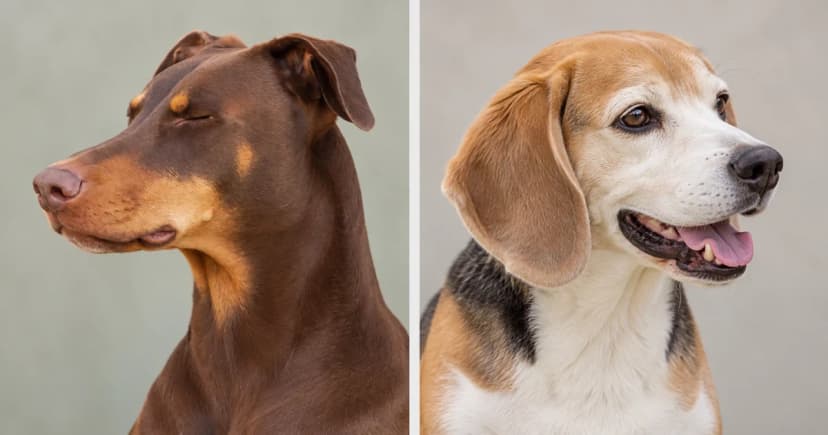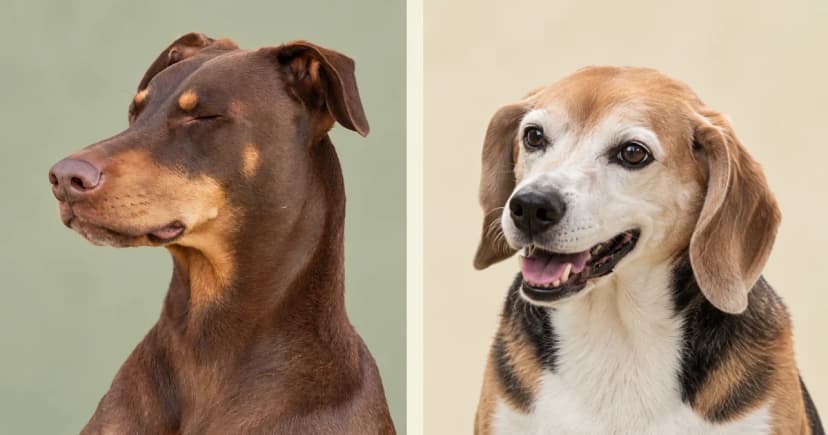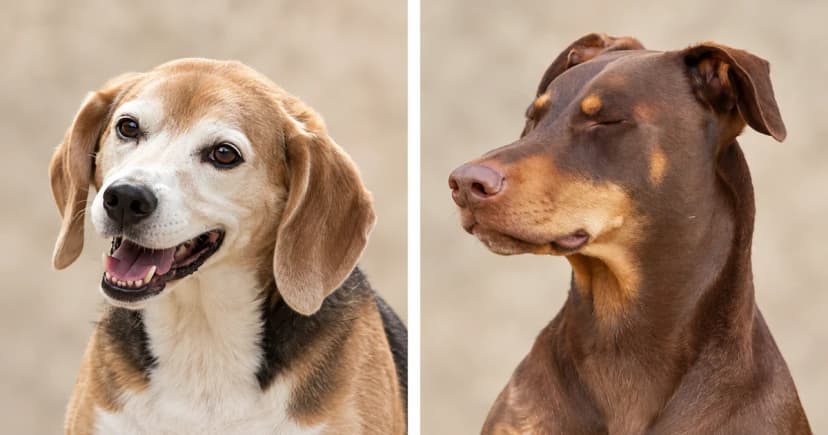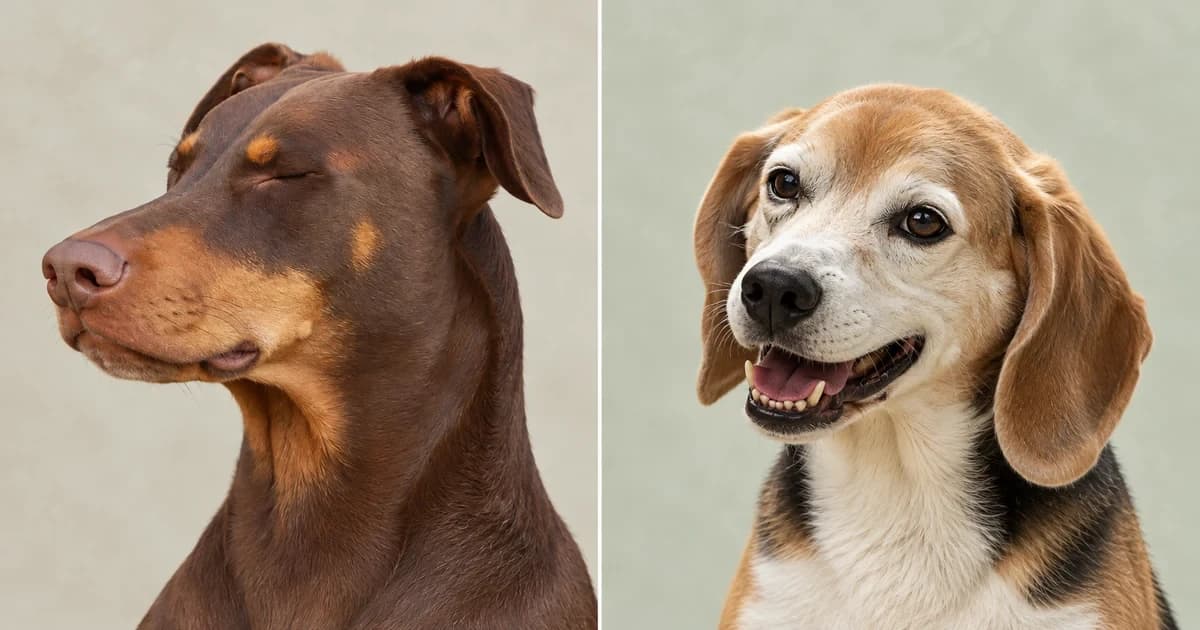
To learn how to teach a dog to crawl, start from a comfortable, settled down position, slide a food lure roughly one inch forward flat along the floor, and reward actual forward movement of your dog's elbows and torso rather than a neck stretch alone. Unlike a stay (which rewards stillness), crawling requires low-to-the-ground movement, so pause immediately if your dog struggles physically, loses interest, or repeatedly pops up.
1. Start from a comfortable down
Before practising, make sure low forward movement is physically suitable for your dog's joints and spine—the AKC's trick guide advises checking with your veterinarian whenever you are unsure. Practise on a soft, non-abrasive surface and begin from a familiar down posture, which is covered separately in our down lesson. Keep high-value treats ready so you can follow Battersea's training guidance to mark and reward the exact moment the target action occurs.
2. Slide the lure at floor level and reward body travel
Watch your dog from a slight side angle so you can see the difference between a head reach and a true crawl:
- Floor-level lure placement: Hold the treat right in front of your dog's paws, touching or skimming the floor. Lifting the lure upward invites your dog to stand or sit rather than stay low.
- One-inch sliding increments: Following the AKC's gradual luring method, slide the food slowly forward about one inch at a time. Never pull your dog by the collar or press down on the shoulders or hips.
- What to reward: Deliver the reward at floor level as soon as an elbow slides forward and the chest shifts ahead, rather than rewarding when only the nose stretches toward your hand.
3. Name the movement while it happens
Once your dog smoothly shifts its body forward to follow the floor-level lure, introduce your chosen verbal cue (such as "crawl") while your dog is actively moving forward, matching the AKC's cue-timing sequence. Keep your crawl cue distinct from your down or stay words, and do not expect the spoken word alone to produce a long-distance crawl without gradual practice.
4. Troubleshoot common responses and know when to stop
Instead of repeating a failed attempt or demanding a fixed distance target, adjust your next repetition based on what you observe. When a step feels too hard, Blue Cross recommends pausing and simplifying the task:
| What you observe during the attempt | How to simplify the next repetition |
|---|---|
| Dog stretches only its neck and nose forward while elbows and belly stay fixed in place | Start the lure closer to the chest and slide it just half an inch along the floor; mark and reward the very first weight shift or single elbow slide before asking for a full step. |
| Dog pops up into a stand or sit as soon as the food moves | Check that your hand stays flat against the floor instead of rising toward the nose; guide the dog back into a settled down (as the AKC advises) and reward a tiny forward lean before sliding farther. |
| Dog stays frozen in the down and ignores the sliding lure | Deliver a treat right between the front paws in the down position to rebuild momentum, use a higher-value soft treat, and shorten the lure slide to less than an inch. |
| Dog hesitates on the floor surface, shifts stiffly, or walks away | End the session right away without coaxing; move future practice to padded carpeting or grass, and consult your vet if crawling posture appears uncomfortable. |