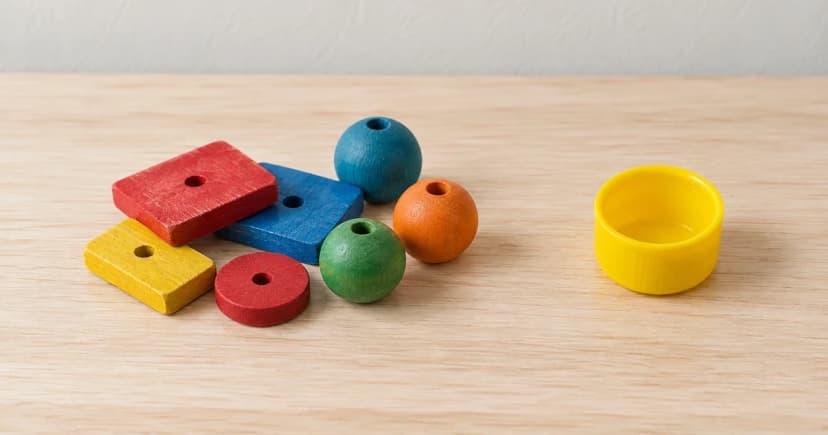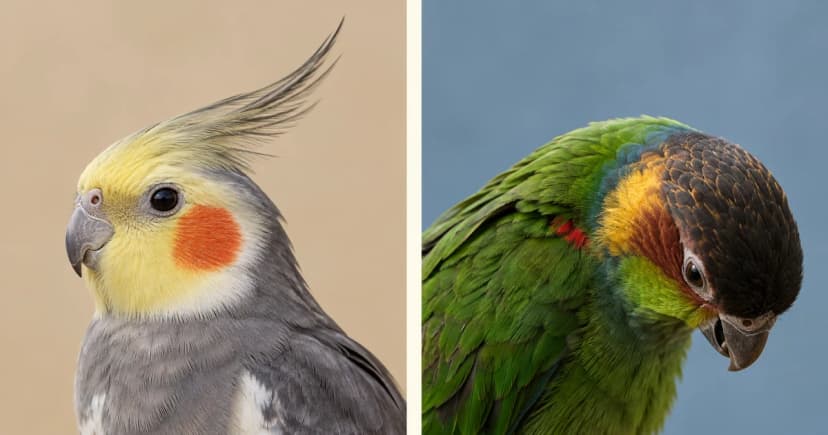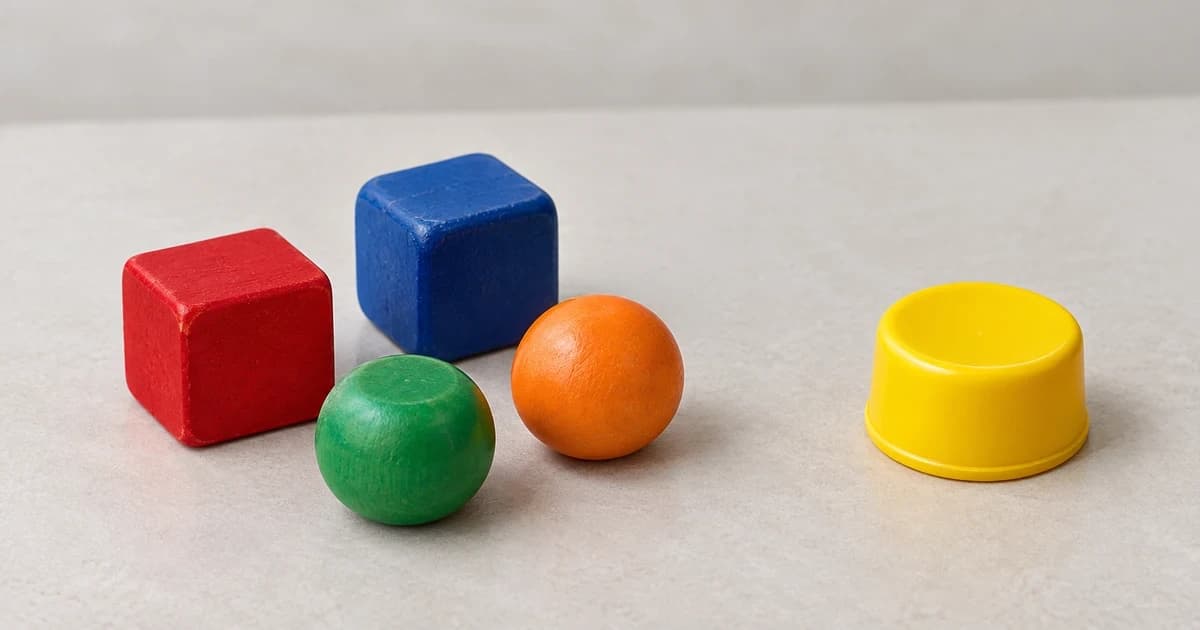
Birds can show interest in different toy activities, including holding, manipulating, chewing or exploring an object. What your bird likes is something to observe; a category label cannot establish their preference or make an item appropriate for them. Start with a manageable choice, check the exact equipment and leave the bird room to move away.
Keep two questions together: what does the bird voluntarily do, and is the item suitable for that bird and setting? An object can attract attention while still having unsuitable parts. A well-documented candidate may also be unfamiliar or uninteresting to your bird.
Observe an activity before choosing more toys
Describe the action you see rather than assigning a favorite from appearance. Does the bird pick up an appropriate existing object, move it with their foot, investigate a surface or approach a hanging item? Also note when they ignore it or move away. That record gives you a starting point for comparison without assuming why they behaved that way.
The RSPCA's UK enrichment guidance includes foot-held and hanging toys among options for parrots. Those are possible activity types, rather than a ranking that applies to every bird. Whether either type is appropriate depends on the individual bird and the exact item.
The RSPCA Australia's enrichment discussion, authored by avian veterinarian Professor Bob Doneley, emphasizes matching activities to the bird's species, physical attributes and surroundings. A toy is one part of that wider environment. Buying a particular form does not establish that all the bird's needs are met.
Check the candidate before interpreting interest
Best Friends' bird-toy guidance cautions that being sold as a bird toy does not guarantee safety. It asks owners to examine accessible parts and openings where a beak or foot might catch, as well as damage and construction. Apply those checks to the actual item you are considering, rather than relying on the category or color.
Find the maker's species and size guidance for the exact model. A toy intended for one size of bird should not be assumed to suit another. Record how the item is meant to be used and, if applicable, mounted.
| Question | Useful information | Reason to pause |
|---|---|---|
| Which bird is it intended for? | The maker's species or size conditions for this exact item | A broad parrot or bird label is the only guidance |
| What can the bird reach? | Openings, attached pieces and surfaces they can manipulate | Possible catching points or separating parts are unresolved |
| How is it used? | The intended activity and any mounting instructions | You would need to guess how an attachment works |
| What space will it occupy? | Room for ordinary movement and access around the item | Adding it would crowd the existing setting |
| How will you observe it? | A manageable introduction with a clear option to withdraw | The plan requires forcing contact or leaving a new item unassessed |
These questions identify information gaps; they do not certify a toy. If the bird's abilities or health make a choice uncertain, seek advice from a professional who can assess that individual bird.
Do not turn a material name into a guarantee
The sources do not give a single consistent rule for ropes and natural fibers. RSPCA Australia warns against cotton and natural-fiber components, while Best Friends lists cotton or sisal rope among its material options; the UK RSPCA also discusses natural-fiber cord.
That disagreement is a reason to seek information about the actual construction and bird, rather than combine the lists into a universal recommendation. This guide cannot establish a safe rope, wood, metal or plastic for every species. An item's color or photographed surface does not identify its treatment, composition or durability.
If it is missing, leave the selection unresolved. Do not use a toy-making category or an attractive photograph as permission to substitute parts or make a food, string or knot recipe.
Introduce a choice without forcing an encounter
RSPCA Australia advises gradual exposure to unfamiliar items and an opportunity to withdraw from overwhelming stimulation. Begin with a choice that does not crowd the setting. Observe the bird's response instead of placing them against the new object or repeatedly moving it closer despite avoidance.
Best Friends also recommends observing the response to a new toy and withdrawing an item if it catches on a beak or toenail. Interest does not override a construction problem. Moving away is also useful information; it is not a reason to force another attempt.
Keep notes simple: which exact item was offered, where it was placed, what the bird did and whether anything interfered with movement. A brief voluntary investigation is an observation, not proof of a permanent favorite or permission to leave a new item unattended.
Browse by activity, then return to the exact item
The bird toys category can help you compare activity types. Foot toys and shredding toys are browsing labels, not guarantees of species fit, material safety or current availability. Verify the candidate before offering it.
Leave room for variety without filling every available space. Best Friends distinguishes variety from overcrowding. The useful choice is one you can inspect, place appropriately and observe, rather than the largest assortment.
For an existing toy's maintenance, our bird-toy cleaning guide addresses the separate task of checking each component before washing. Choosing a toy and choosing a cleaning method require different information.
Let the bird's actual interaction guide your next comparison while keeping equipment checks separate and ongoing. No toy list can establish every bird's preference, and no observed interest replaces an assessment of the item itself.