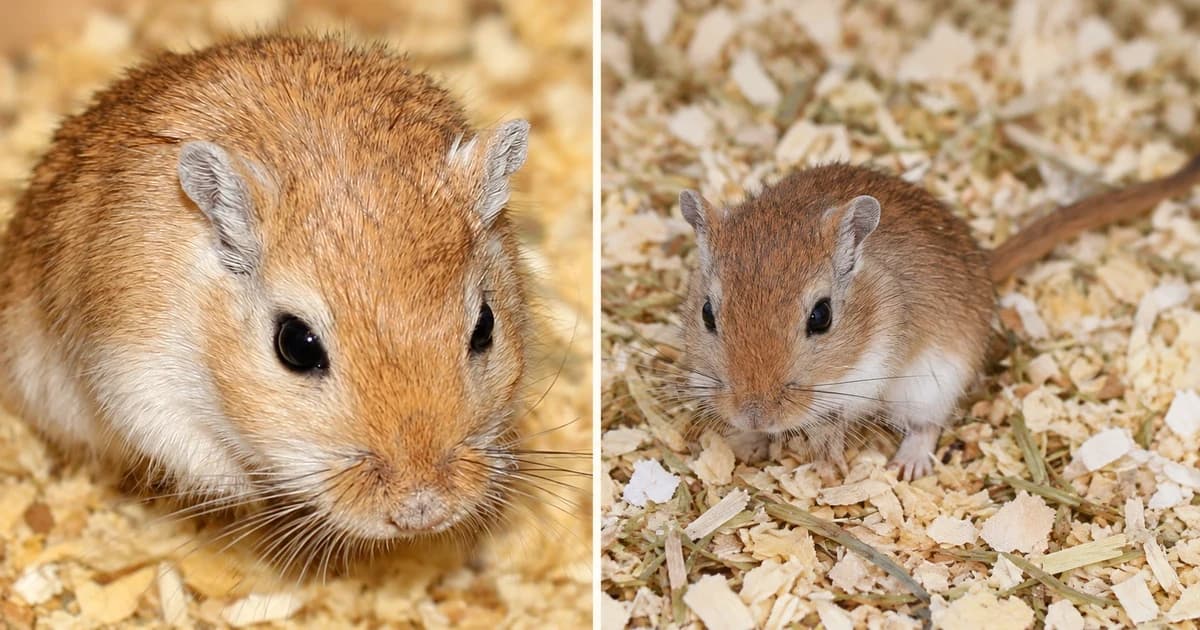
Clean a gerbil cage by separating daily food-cache and water-leak checks from full enclosure washes, retaining a portion of dry, unsoiled bedding so familiar group scent is preserved, and rebuilding deep burrowing substrate before your gerbils return.
Check Daily Without Emptying Everything
The RSPCA gerbil feeding guide calls for daily checks to remove stale cached food and verify that the water bottle is neither leaking nor blocked, cleaning the bottle and spout whenever you change the water.
A buried larder of damp fresh food and a wet patch under a dripping nozzle are localized problems—address them immediately without stripping out the entire burrowing habitat.
Keep Familiar Scent and Soiled Waste Separate
The RSPCA gerbil housing guide warns that wiping out every familiar scent at once can trigger fighting within a gerbil group. Always retain some used, dry, unsoiled bedding and nesting material to blend back into the clean enclosure; wet or soiled substrate never qualifies.
Bag your clean reserved bedding separately before touching disinfectants or dirty litter. Blue Cross gives saving about one-third of the old bedding as a practical example—always subject to the rule that the retained material is clean and dry.
Wash While the Gerbils Are Safely Elsewhere
Blue Cross outlines a four-step sequence for a full enclosure wash:
- Move awake gerbils into a secure temporary carrier or pen furnished with familiar bedding and toys.
- Remove the remaining substrate and accessories, and wash accessories according to their material rules.
- Apply a suitable pet-safe disinfectant, wipe down the enclosure, wash thoroughly with warm water, and allow everything to air-dry completely.
- Rebuild the habitat with fresh substrate mixed with the reserved unsoiled bedding, replace accessories, add fresh food and water, and return the gerbils.
Always read your disinfectant bottle's label to confirm dilution ratio, contact time, and rinsing instructions for glass, metal, or plastic surfaces—the words “pet-safe” on the front label do not supply those numbers.
Rebuild the Deep Burrowing Space
The RSPCA emphasizes providing deep bedding so gerbils can dig connected tunnels alongside nesting and hiding spaces. A thin scatter of shavings across a bare tray floor is not a finished gerbil setup—confirm that all washed items are dry, fittings are secure, and burrowing depth is restored before returning the group.
Attribute the Cleaning Interval to Its Source
Rather than merging different welfare guidelines into a single invented number, compare how the RSPCA and Blue Cross pair their full-clean examples with spot-cleaning and group conditions:
| Source Organization & Guide | Full-Cage Clean Example | Spot-Clean & Daily Check Routine | Stated Conditions & Scent-Retention Rule |
|---|---|---|---|
| RSPCA (Creating a good home for gerbils & What to feed your gerbils) | Every 2 to 3 weeks | Spot-clean every few days; check daily for stale stored food and water-bottle leaks or blockages | Retain some used, unsoiled bedding and nesting material during full cleans because removing all familiar smells can trigger fighting |
| Blue Cross (Caring for your pet gerbil) | Every 3 to 6 weeks | Spot-clean every few days | Full-clean interval depends on group size and how dirty the enclosure gets; cites keeping about one-third of old unsoiled bedding as an example |
Never average those two published examples into a new calendar number, and never leave damp or soiled bedding in the tank waiting for a scheduled full-clean day. If you notice a recurring wet patch under the drinking spout, inspect the hardware using our small-pet bottle flow and leak guide.