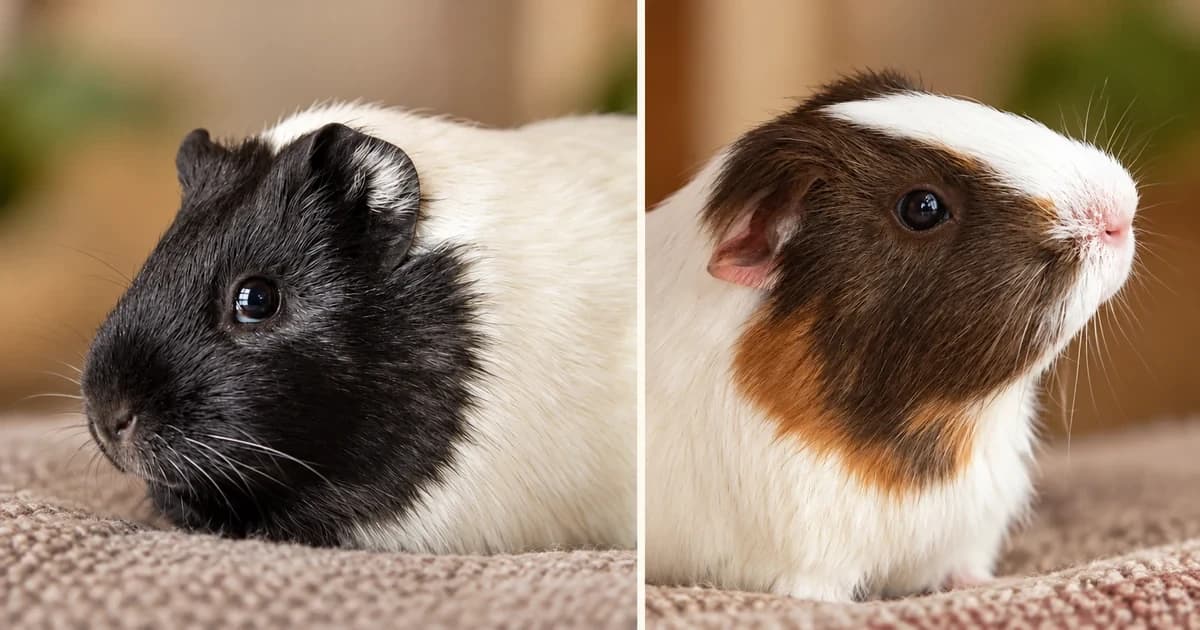
Knowing how to clean a guinea pig cage starts with separating two routines: daily spot cleaning to remove wet bedding, droppings, and stale food, and a full deep clean at least once a week on average (adjusted for enclosure size and the number of guinea pigs), as advised by the RSPCA environment guide. Before starting a deep clean, move your guinea pigs to a secure exercise run or carrier with familiar bedding, clear all dry debris before wetting surfaces, follow your pet-safe disinfectant's exact label rules, and wait until the floor is completely dry before restoring bedding, hides, food, and water.
Choose today's cleaning route and check completion criteria
Use this reference table to decide which job your guinea pig cage needs today and what must be in place before the animals return:
| Cleaning route | When to perform it | Preparation & transfer setup | Completion & return checklist |
|---|---|---|---|
| Daily spot clean | Every day; immediately whenever a sleeping, hay, or water-bottle corner becomes damp or soiled. | Replacement dry hay/paper or clean liners at hand; work calmly around the guinea pigs or let them rest in a hide while lifting soiled patches. | All wet patches, clumped droppings, and uneaten fresh greens removed; dry soft flooring restored; hay rack and water bottle checked. |
| Weekly deep clean | At least once a week on average (more often for smaller enclosures or larger groups). | Move guinea pigs to a secure exercise run or ventilated carrier with familiar bedding, hiding cover, hay, and water (Blue Cross; PDSA). | Base swept clean; pet-safe disinfectant applied and rinsed/dried per label; fresh newspaper/absorbent base + hay laid down; hides, tunnels, food, and water restored. |
Route 1: Daily spot cleaning without disrupting the whole home
Daily spot cleaning keeps ammonia and dampness away from sensitive feet between full cleanouts. Check high-traffic areas—inside sleeping hides, under the water bottle spout, and around hay piles—every day. Lift out wet newspaper, damp wood-free bedding, or soiled hay and replace it with fresh, dry material right away rather than waiting for your weekly deep-clean day.
Route 2: Step-by-step weekly deep cleaning
When your enclosure is due for its weekly full cleanout, work through these four stages in order so your guinea pigs return to a dry, well-ventilated home:
1. Transfer the guinea pigs to a prepared temporary space
In Blue Cross's cleaning sequence, guinea pigs move into their secure exercise run or a pet carrier lined with a handful of familiar unsoiled bedding before the enclosure is stripped.
Keep their welfare needs covered while they wait. PDSA's housing guidance emphasizes soft underfoot flooring, overhead shelter, hiding places, and good ventilation—so never leave guinea pigs in an exposed, drafty box or on a bare slick floor during cage maintenance.
2. Strip soiled bedding and sweep dry debris before wetting
Remove houses, tunnels, bowls, and bottles first, then lift out all used bedding. Where newspaper sits beneath a hay layer, roll the newspaper and hay inward together so droppings stay bundled. Sweep remaining dust, stray hay stalks, and dry crumbs from the base, corners, walls, and door tracks before introducing any liquid cleaner.
If your setup uses washable fabric liners instead of disposable paper and hay, treat laundry as its own workflow: follow our fleece preparation and laundry guide for brushing, washing, and drying fabric layers.
3. Clean and disinfect strictly according to the product label
Blue Cross describes wiping the empty accommodation and treating it with a pet-safe disinfectant. Before spraying or wiping any solution onto your enclosure base or accessories, read the product's label to confirm that it is formulated for small-pet housing and compatible with your cage material. Follow its stated dilution rate, surface contact time, rinsing requirement, and drying instructions rather than inventing a household bleach or vinegar mix.
Always perform spray and wipe steps with the guinea pigs out of the enclosure. Ordinary weekly hygiene is routine housing care—if you are dealing with ringworm or a diagnosed infectious illness, follow your veterinarian's specific decontamination protocol.
4. Dry completely, rebuild the layout, and verify food and water
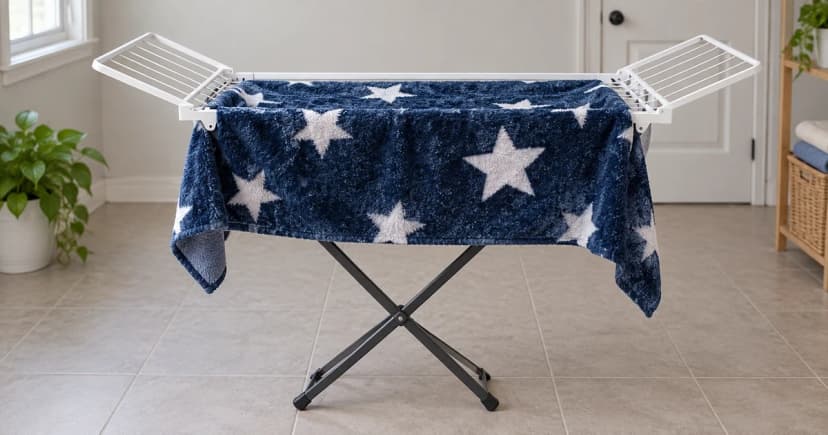
Allow the cage base, corners, and washed accessories to dry completely before laying down fresh bedding; trapping moisture under newspaper or fleece encourages mold and damp feet. In Blue Cross's example, the dry base is relined with newspaper and topped with a generous layer of clean, dust-extracted hay before houses and tunnels go back in. Check that soft flooring, multiple hiding places, clear ventilation, hay, and a working water bottle are all in place before returning your guinea pigs to their home.