

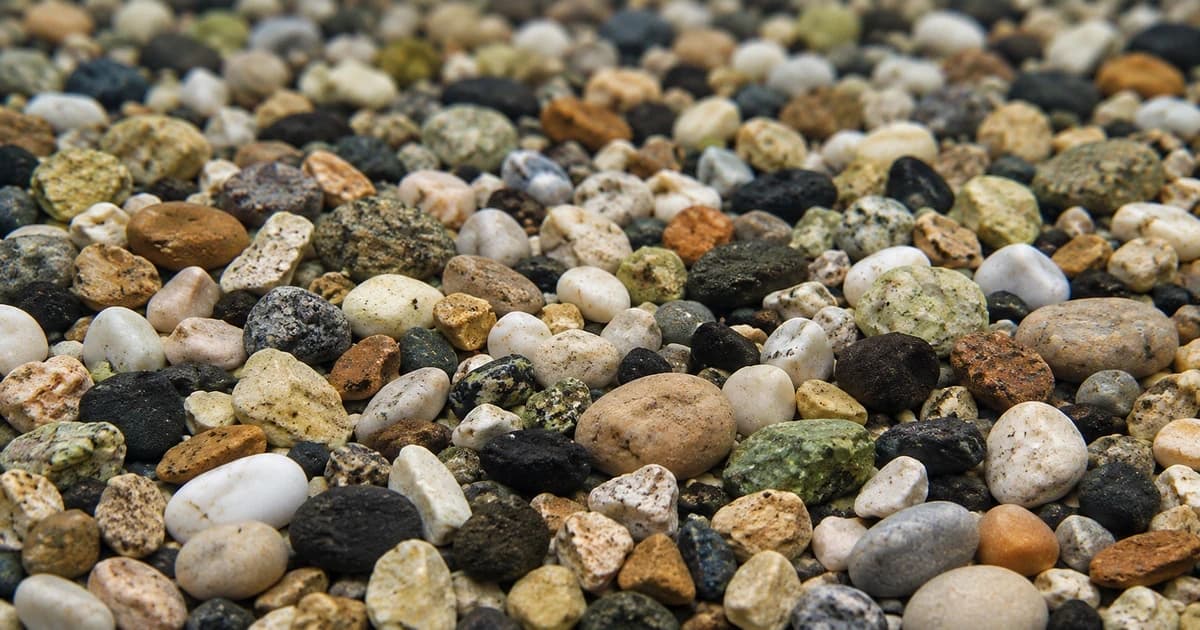
Knowing how to clean aquarium gravel starts with two quick checks before you put a tube into the tank: confirm that your substrate is actual gravel (not fine sand or planted aquasoil that your tool excludes), and identify which of the two water routes your cleaner uses—a draining siphon vacuum that carries dirty water out into a bucket during a partial water change, or a powered gravel cleaner that traps debris in an onboard filter cartridge and returns water to the tank.
Compare the two gravel-cleaning water routes first
Before copying a priming motion or switch setting from another tool, trace where the water goes on your specific unit and check how manufacturer manuals define substrate limits:
| Cleaning route & named example | Where the water goes & how it works | Substrate limits & operating conditions to verify |
|---|---|---|
| Draining siphon route (Aqueon Siphon Vacuum Gravel Cleaners) | Water and lifted detritus flow out through a hose into a collection bucket while heavier gravel tumbles inside the wide intake tube and falls back to the bed. | Verify your siphon's priming method (e.g., up-and-down tube motion on self-priming models), bucket capacity, and hose clip setup before starting flow. |
| Powered onboard-filter route (Fluval ProVac manual 18/17-INT) | Motorized intake draws gravel into the tube, traps debris in a dual-density filter pad, and returns water to the tank (unless a separate water-change hose adapter is fitted). | Strictly excludes fine gravel and sand; requires unplugging all tank appliances before hands enter water, using the supplied transformer, and observing minimum/maximum water depth. |
| Battery powered cleaner with conflicting manual specs (EHEIM 3531 QuickVacpro manual 01.21) | Internal rotor draws debris into a mesh retention compartment while water flows back into the aquarium. | English text excludes sandy bottoms, and the manual's diagram, English text, and French text print conflicting millimeter gravel-size numbers—verify grain eligibility for your exact substrate before operating. |
Step-by-step: everyday aquarium gravel cleaning workflow
Once you have matched your substrate grain size to your cleaner's manual, follow this four-step routine for the route you are using:
- Prepare your workspace and disconnect electrical equipment: Place your collection bucket (for a draining siphon) on a waterproof mat below tank level, and unplug submerged heaters, pumps, and lights before putting your hands into the aquarium water, as electrical safety sections in manuals such as the Fluval ProVac guide require.
- Start the cleaner according to its specific mechanism:
- For an Aqueon-style draining siphon: Secure the outlet hose in your bucket with the bucket clip, submerge the wide gravel tube, and follow the model's priming directions (moving the intake cylinder up and down vertically in the water on self-priming models) to establish gravity flow.
- For a Fluval ProVac powered cleaner (on coarse/standard gravel only): Fit the filter cartridge and appropriate nozzle extension, submerge the unit within its marked operating depth, and connect the low-voltage transformer with a proper drip loop.
- Work across the gravel bed section by section: Press the intake tube vertically into a patch of gravel so trapped mulm rises while the stones tumble inside the lower chamber. Release the gravel back to the bed before stones reach the impeller or hose neck—on the Fluval ProVac, the manual specifies using the press-and-hold Pause button to let lifted gravel drop back down, whereas on a manual siphon you simply lift the cylinder slightly or pinch the hose. Never strip the entire substrate bed out of an established tank to scrub it under tap water.
- Shut down safely, check water level, and restore equipment: Unplug powered units before lifting them out of the water or detaching filter cartridges. If you used a draining siphon, top up the removed volume with conditioned, temperature-matched water, verify that heaters and filters are submerged to their minimum water lines, and dry your hands before reconnecting power plugs.
Why manual exceptions matter: Fluval ProVac vs. EHEIM 3531 QuickVacpro
Two manufacturer PDFs show why you should always read the substrate rules for your exact model before vacuuming:
- Fluval ProVac fine-substrate exclusion: The Fluval ProVac instruction manual explicitly excludes fine gravel and sand because fine particles can be pulled into the motor housing and jam the impeller. It also distinguishes standard onboard-filter mode from its separate water-change adapter mode (which requires a separately sold hose).
- EHEIM 3531 QuickVacpro gravel-size conflict: The EHEIM 3531 QuickVacpro manual excludes sandy bottoms in its English instructions, while printing inconsistent gravel-grain millimeter figures across its diagram, English column, and French column. Keep that gravel-size discrepancy flagged rather than guessing from a photo of your tank bed.
Keep substrate cleaning separate from filter and glass maintenance
Log which section of the gravel bed you vacuumed, whether water was drained or returned, and how the substrate behaved in the intake tube. To compare manual siphons and powered cleaners side by side, browse gravel vacuums and siphons. Keep gravel vacuuming on a separate schedule from biological filter care—see our guide on how often to clean an aquarium filter—and use our guide to choosing and using an aquarium magnetic glass cleaner for viewing-panel algae.