Some cats prefer moving water, but that does not mean every cat prefers a fountain to a bowl. It also does not mean a cat that uses a fountain drinks more water overall or has better hydration. Preference, measured intake and a health effect are separate questions.
A useful answer to “do cats prefer running water?” therefore needs more than a photograph of a cat drinking. Current care guidance recognizes individual preferences. A small original study also shows why liking a device and demonstrating its effect should not be treated as interchangeable.
What would count as a preference?
A cat using one source tells you that the cat used it at that moment. Repeated voluntary choices can tell you more about that individual, but the comparison still includes the containers, locations and conditions involved. A faucet, a fountain and a still bowl differ in more than whether the water moves.
Battersea's water guidance describes cats that enjoy running water, glasses or other sources and recommends offering options to learn what a particular cat prefers. It does not say all cats require a fountain. Your cat's comfortable use of a familiar bowl remains useful information.
Equally, a cat looking at or playing with flowing water has not necessarily chosen it for drinking. Describe what happened—approached, watched, pawed or drank—before assigning the broader label “preferred.” That keeps an observation from becoming a claim about every cat or every fountain.
Three claims need different evidence
| Claim | What the evidence would need to establish |
|---|---|
| This cat chooses this source. | Actual use and repeated choices in the circumstances available to that cat. |
| This source increases drinking. | A meaningful comparison of intake, accounting for other water sources, diet and losses from the container. |
| This source improves hydration or a medical outcome. | Appropriate veterinary assessment or research measuring that outcome, rather than ownership of the device. |
The first claim can guide an everyday resource choice. It cannot, by itself, settle the second or third. A video of one visit to a spout is evidence of that visit; it is not a measurement of the cat's daily intake.
What one original fountain study actually tested
David C Grant's 2010 randomized crossover study enrolled 13 healthy, indoor cats living without other pets. It compared a bowl with one fountain model, rather than offering a simultaneous choice. One cat did not tolerate the fountain and left the study; 12 were analyzed.
The initial analysis found greater measured intake with the fountain, but no significant difference in urine osmolality, a measure of concentration. After excluding a cat whose diet changed between conditions, the intake difference was no longer statistically significant.
The researcher discussed possible water-loss measurement problems. The study was small, used short measurement periods and one device, and did not establish the desired urine dilution. It cannot prove that no individual cat likes moving water, or that every fountain produces the same result.
Other water sources were restricted in this supervised research design. That is a study condition, not a home-care instruction to remove a cat's familiar water. The experiment addressed intake and urine concentration; it was not a population survey proving a universal preference.
Daily water needs are not a device preference score
Cats Protection's drinking advice explains that age, size, diet and health affect how much a cat drinks. Food contributes water too, so comparing two cats' visible drinking visits does not compare their total water intake. Keep clean, fresh water accessible regardless of the container selected.
Its guidance suggests more than one water source in different places and acknowledges that some cats prefer moving water. This supports offering a choice. It does not supply a required number of fountain visits or a universal daily intake increase.
Do not turn a preference question into a home diagnostic test. If the question is whether your cat is getting enough fluid, discuss the cat's diet, usual drinking habits and any changes with your veterinary team. A refill amount alone may include spilled or evaporated water.
Use individual choices without promising a health effect
International Cat Care's 2024 caregiver guide emphasizes individual preferences and gradual changes. It notes that caregivers may not see drinking, especially when a cat eats wet food or drinks in private. An absence of witnessed visits is therefore different from knowing the cat has had no water.
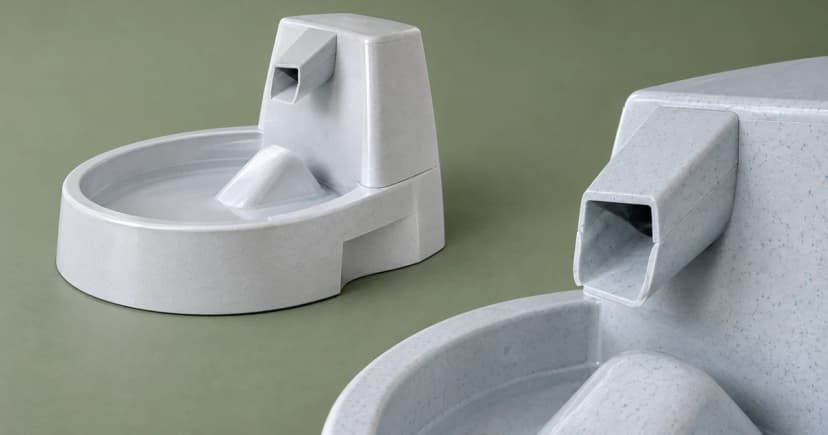
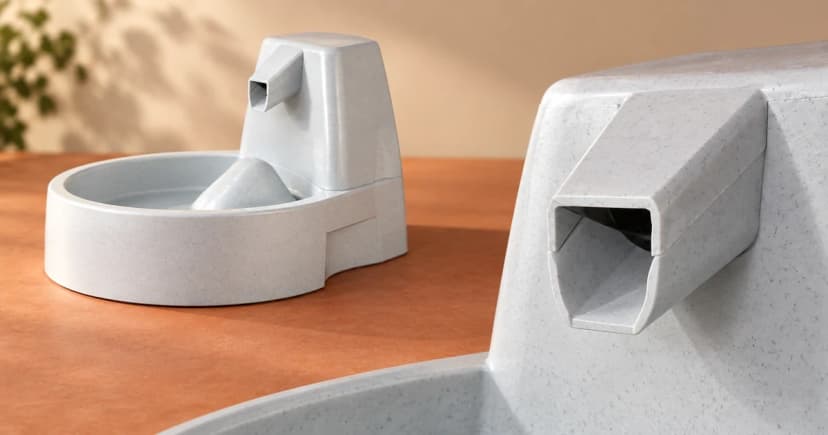
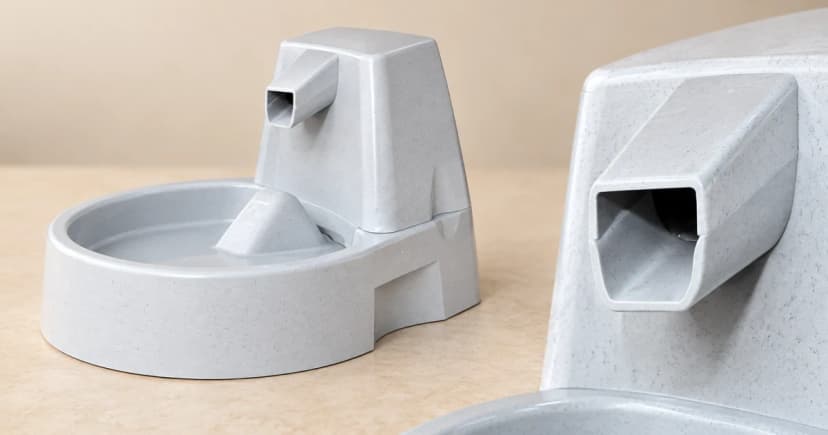
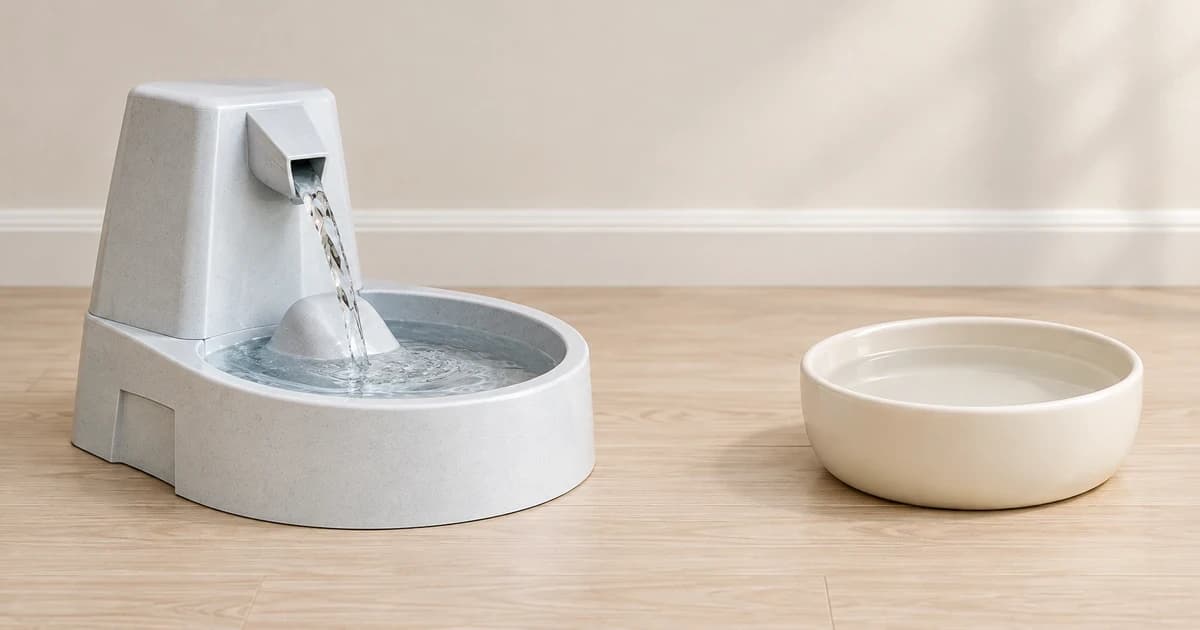
If you are considering a pet water fountain, treat acceptance as an individual question rather than a promised benefit. A bowl can remain an appropriate option. Compare food and water bowls according to the actual item and your cat's use, without assuming a category certifies a medical effect.
For the practical introduction of a new device, use the separate guide to introducing a cat water fountain and the manufacturer's instructions. This evidence question does not require rebuilding that introduction process.
A sudden change in drinking, whether more or less, deserves veterinary advice. International Cat Care also advises against forcing water with a syringe. If your cat seems unwell or you are worried about dehydration, contact your veterinary team rather than relying on a fountain purchase or a preference observation.