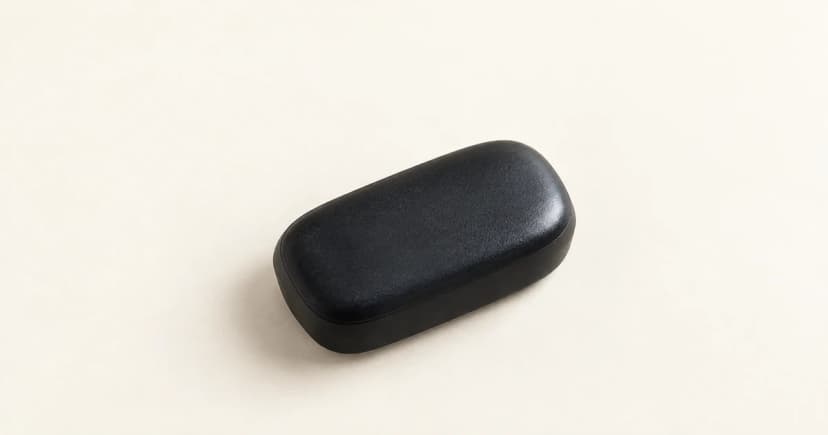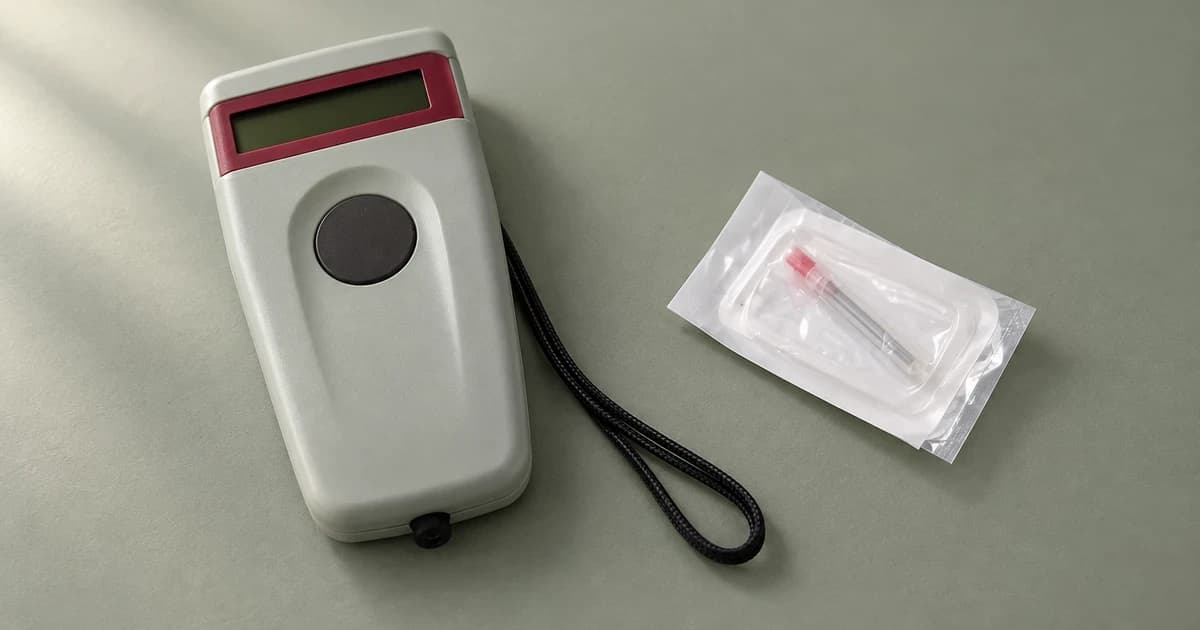
No — if you are wondering do pet microchips have GPS, an implanted pet identification microchip does not contain GPS hardware and cannot show your dog or cat on a live map. Whether owners ask can you track a dog with a microchip or can you track a cat with a microchip, the answer is the same: the chip only supplies an identification number when read by a handheld scanner, and a registry links that number to your contact details. An external GPS tracker has a different job: obtaining and sharing location information, subject to its device and connection requirements.
What happens when a microchip is scanned?
Blue Cross explains microchip identification as a small chip under the skin with a unique code. A handheld scanner reads that code. The contact details belong in a separate database, rather than appearing as a route or moving marker from the chip itself.
That distinction matters when a pet is missing. Someone must find the animal and have the chip scanned before the number can help connect them with a registry. Entering a microchip number into a website cannot make the implanted chip transmit its location.
Tractive's comparison of the two devices also distinguishes the chip's identification role from its collar-mounted tracker's location role. An identification chip needs no battery charging. That does not turn it into a battery-free tracking device.
Compare the jobs before choosing a device
| Question | Identification microchip | External cellular GPS tracker |
|---|---|---|
| What information is used? | A scanned ID number and the registry associated with it. | Location information obtained by the device and sent through its supported connection. |
| Where is it? | Under the skin, placed by an appropriate professional. | Outside the body, attached as its manufacturer's instructions allow. |
| What needs checking? | Whether the chip can be read and the registry has current contact details. | Battery, attachment, supported coverage and the service requirements for that model. |
The two checks answer different questions. A location device does not update a microchip registry, and a registry entry does not keep a separate tracker charged or connected.
Find the registry, then check your contact details
If you have the number but do not know its registry, the AAHA Microchip Registry Lookup Tool can identify participating registries to contact. It primarily serves chips distributed in the United States. AAHA does not maintain your chip's registration, display the owner's private information, or act as a GPS map or contact-update form.
- Confirm the chip number. Use your paperwork, or ask a veterinarian or shelter about scanning if you do not have it.
- Identify the relevant registry. AAHA's results may list more than one company. Follow its guidance to contact the most recently updated registry first.
- Update the actual registry. Check that it holds your current phone number and other relevant contact information. The AAHA lookup page is not an update form.
AAHA searches companies that participate in its tool. Because a lookup result, an unconfirmed registry record, and whether a physical chip is implanted are three separate questions, match what you see to the right next step:
| AAHA Lookup Result or Paperwork Situation | What It Means (Never a Live GPS Position) | Next Action to Take |
|---|---|---|
| Participating registry identified (one or more companies listed) | Shows which participating registry database has a record associated with that chip number and when it was updated | Contact the most recently updated registry directly to check and update your phone number, email, and address (AAHA cannot update your record) |
| Failed search or uncertain registry result | A participating registry could not be checked or confirmed in the lookup tool; a failed search alone does not prove your pet has no microchip | Reach out to the registry named on your adoption or veterinary paperwork, or consult your veterinary team for help verifying the number and registration |
| Microchip number is unknown or missing | You cannot look up a registry without the chip's identification code | Ask a veterinarian or animal shelter to scan your dog or cat with a handheld reader to confirm the chip number and verify that the chip reads properly |
Keep registration current after life changes
Blue Cross advises updating details when your name, address, phone number or email changes, and when you become a pet's new keeper. For a US pet, make those changes with the applicable registry. Blue Cross's UK legal requirements and fee examples should not be treated as US rules.
Keep the number and registry contact information somewhere you can retrieve them. If you are unsure whether the chip reads properly, arrange a check with your veterinary team. This guide is not an implantation tutorial; do not use an equipment photograph as instructions for a procedure.
A GPS tracker still has operating conditions
For its own cellular trackers, Tractive explains that mobile networks carry position information to the app. Weak or absent supported coverage can delay updates. It also notes that a phone and tracker may access different networks or frequency bands, so your phone's reception does not establish that a particular tracker will work there.
Check a prospective device's current requirements, battery arrangements and service plan before relying on it. Review the reported location and update time according to that device's instructions; a map display is not a guarantee that a missing pet will be recovered.
Pawlivy's cellular GPS tracker category describes an external equipment category. It does not establish implanted GPS availability or a specific model's coverage. Microchip identification and external location tracking remain separate functions, with separate information to maintain.