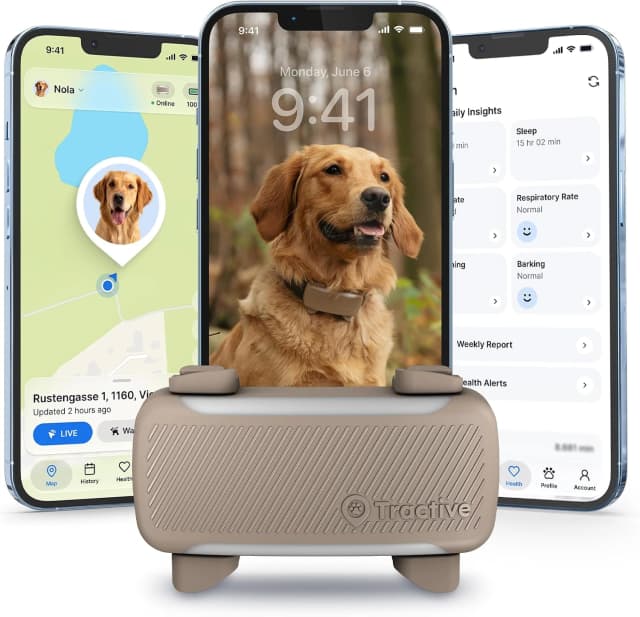
Choosing cellular GPS pet trackers
Compare the connection method and supported devices before considering extra functions. Network coverage, nearby-device requirements and subscription terms differ between tracking and monitoring systems. Before choosing a dog GPS tracker without a subscription, check which location features work without a recurring plan and what network or phone connection they require.
Useful details to compare include location technology, network coverage, subscription requirements, supported systems, and stated battery runtime. Use product-specific measurements and compatibility details to narrow the choice for your setup. Apply the same checks to a cat GPS tracker without a subscription; nearby-device tags and live GPS tracking are different systems.
Match the design to your setup
Check the information the tracker records and how location updates are obtained in the intended area. Confirm device compatibility and the manufacturer's charging, attachment and cleaning instructions rather than treating every tracking technology as interchangeable. A small cat GPS tracker must fit the collar without obstructing its release, and a waterproof dog GPS tracker needs a stated exposure limit rather than a general outdoor label.
A Bluetooth pet tracker relies on its stated nearby-device connection and range. Check the housing dimensions and attachment instructions, and distinguish that system from a cellular GPS device before choosing functions for the intended location.
Check attachment weight, charging access, stated runtime and the exact information the device records or displays.
For related equipment, explore pet technology and compare how the pieces fit your routine.