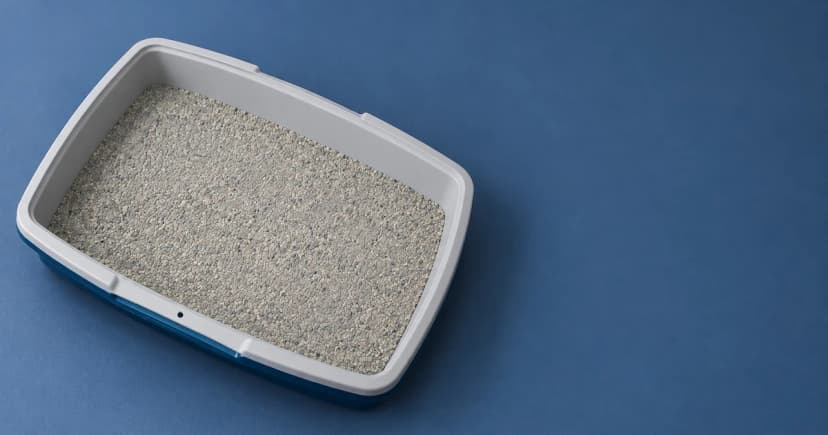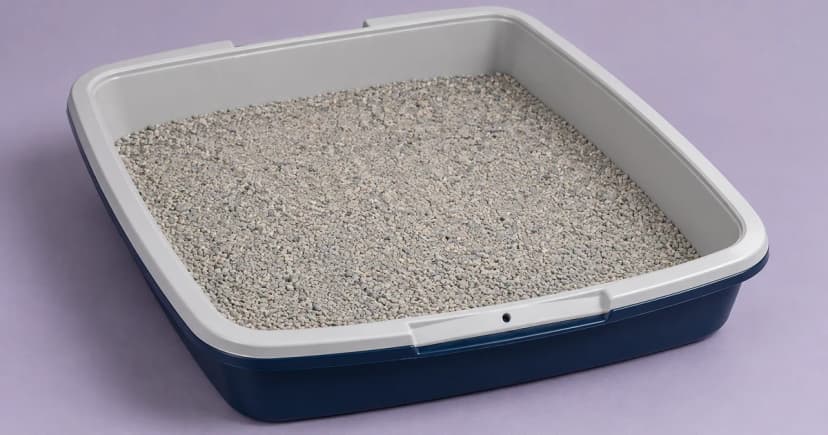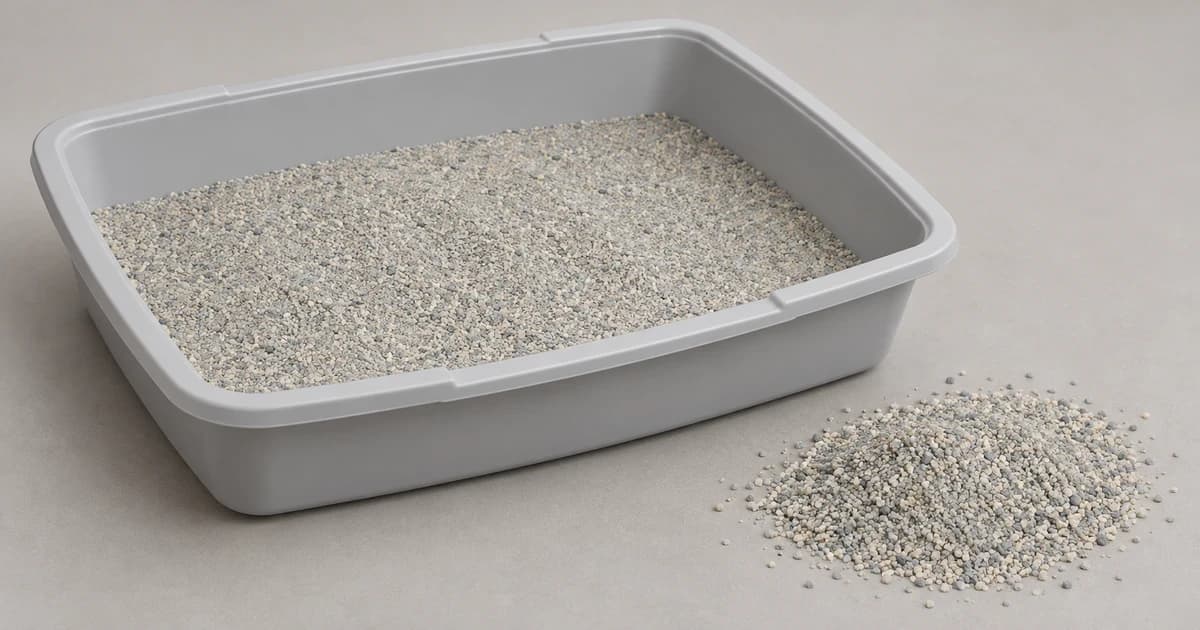
Does cat litter expire? Unused cat litter does not have one universal expiration date across all formulas: plant-based litters often carry a specific shelf life from the printed production date and a shorter window once opened, while traditional clumping clay brands focus on keeping the granules dry so humidity does not trigger premature clumping. Any shelf-life answer must specify the exact brand, formula, whether the package is sealed or opened, and how it was stored.
1. Compare published brand rules for unopened and opened cat litter
Published FAQs from Tuft & Paw, ARM & HAMMER, and Fresh Step show why you cannot apply one brand's timeline to another bag of cat litter:
| Brand & formula scope | Unopened shelf-life statement | Opened-bag guidance | Required storage conditions | Published source |
|---|---|---|---|---|
| Tuft & Paw — Really Great Cat Litter (OdorStop soybean/tofu formula) | Best used within 24 months of the production date printed on the bag (not 24 months from purchase) | Recommended use within 3 to 6 months after opening to limit humidity exposure and maintain clumping performance | Reseal tightly after pouring and store in a cool, dark, dry place | Tuft & Paw OdorStop FAQ |
| ARM & HAMMER — General Cat Litter line | Published FAQ states that its cat litter does not lose effectiveness over time | Keep protected from moisture after opening; contact with water causes clumping | Store in a dry place away from water or damp environments | ARM & HAMMER General Cat Litter FAQ |
| Fresh Step — Clumping Cat Litter | No fixed month limit stated in the general FAQ; shelf condition depends on preventing moisture absorption in transit, at the store, or at home | Exposure to humid air can cause lumps to form inside the package before use | Keep in a cool, dry storage location to prevent moisture-induced lumping after purchase | Fresh Step FAQ |
2. Keep production, purchase, and opening dates separate
Before judging a stored bag or tub in your closet, check the original packaging and separate four different pieces of date information:
| Date or code to record | What to keep it separate from |
|---|---|
| Printed production date or batch code on the original bag | The retail checkout date when you bought the package, or a batch-code format borrowed from an unrelated brand |
| Purchase date on your receipt | Assumed proof of when the granules were manufactured or how the bag was stored before purchase |
| Date the package was first opened (write it on the bag with a marker) | The remaining shelf life of an unopened, factory-sealed replacement bag |
| Formula-specific window printed on the package (e.g., Tuft & Paw's 24-month / 3–6-month guidance) | An invented universal expiration rule applied to every clay, crystal, or plant-based litter |
3. Check storage history and physical condition before pouring
Even within a printed date window, storage history matters. If a bag was stored in a damp basement, humid bathroom, or torn carton, clumping litter can absorb moisture from the air and form pre-used lumps, as Fresh Step and ARM & HAMMER explain. If you decant litter into a plastic storage bin, tape the original brand name, formula, and lot code to the bin and never dump fresh litter on top of an older, unidentified batch.
This guide covers unused litter in storage only. Once litter is poured into the pan, follow our litter-box cleaning guide for daily scooping, full pan changes, and washing the box.