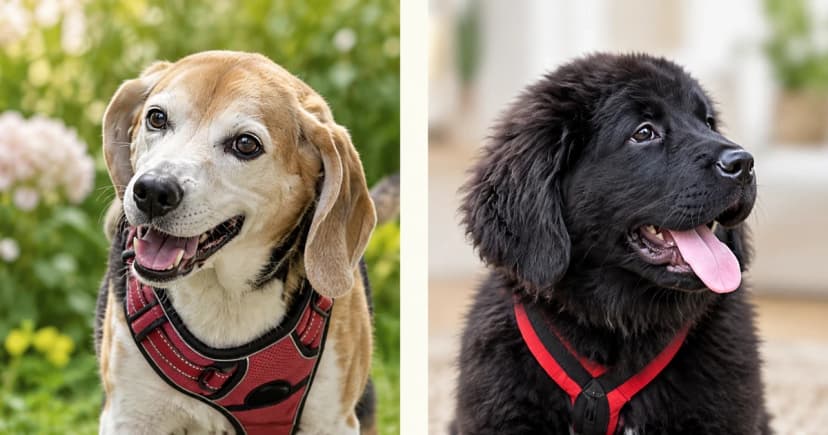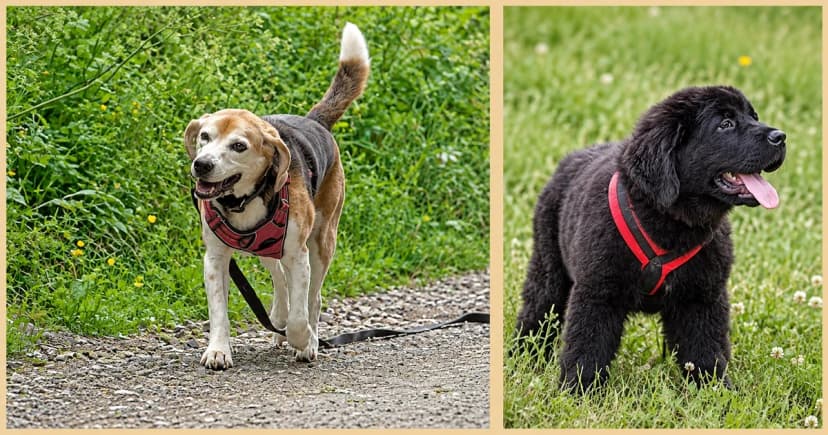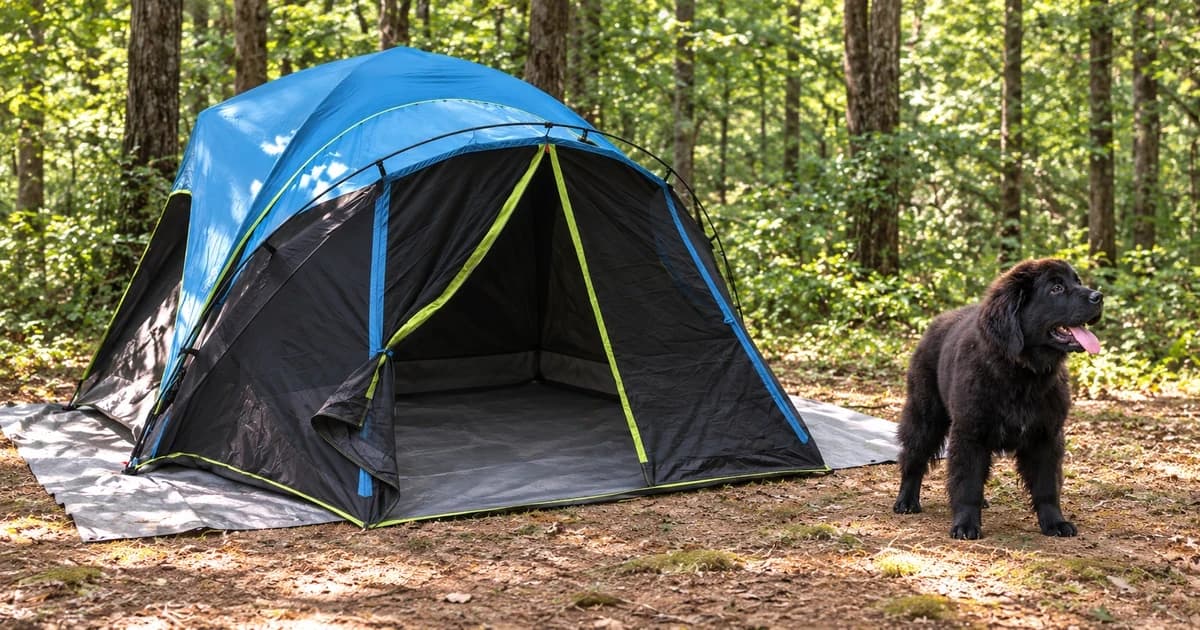
Working out how to take a dog camping comes down to two readiness conditions before you leave home: confirmed campground permission for every area you need to use (pitch, trails, water edges, and washroom buildings) and continuous adult supervision from arrival through departure. A workable dog camping checklist and overnight care plan pairs each stage of the stay—and each piece of packed gear—with the person actively responsible for the dog at that moment.
Confirm pitch access and shared-facility rules before booking
A "pet-friendly campground" label rarely covers the whole property. The US National Park Service's Camping with Pets page distinguishes drive-in campground access from restrictions on shared buildings, water areas, and backcountry trails, while reminding visitors to check individual park rules and never leave a pet unattended.
Similarly, KOA's camping guide advises checking directly with the individual campground about site-specific leash lengths, quiet hours, pet limits, and lodging rules before arrival. When you speak with the campground operator for your exact dates and pitch type, verify three practical details and save the written policy with your booking:
- Shared buildings and washrooms: May an accompanied dog enter the washroom vestibule, outdoor dishwashing sink area, or check-in office, or are dogs barred from all facility buildings?
- On-site containment rules: What are the exact leash, tether, or portable pen rules at the pitch, and are dogs prohibited from being tied up unattended even briefly?
- Water, waste, and trail access: Which walking routes or shorelines allow dogs, where are potable water taps located, and where must sealed waste bags be deposited?
Find the uncovered washroom visit before you arrive
Consider a solo camper whose tent pitch allows dogs, while the campground's washroom building and dishwashing sinks prohibit pets inside. Writing "dog waits at the tent" on a planning sheet reveals an unstaffed supervision gap—buying a longer tie-out cable does not make leaving a dog unattended safe or permitted.
Even with two adults, chores can overlap. If pitching the tent, hauling water, or cooking requires both adults at once, assign who holds or supervises the dog first and stagger the chores. If a solo stay leaves no permitted way to use the washrooms while keeping your dog safely supervised, change the accommodation type, invite a second adult, or cancel the overnight booking rather than counting on leaving the dog alone.
Chronological campsite care and task-paired gear checklist
The American Kennel Club's camping guide emphasizes keeping your dog with you day and night, packing drinking water and bowls, picking up waste promptly, and bringing familiar bedding and towels. Rather than packing a random pile of accessories, use this chronological table to verify adult coverage and match each item to the exact task it solves from arrival to departure:
| Stay phase (in order) | Adult supervision & site rule check | Paired gear & the specific task it solves | Action if coverage or rule is unconfirmed |
|---|---|---|---|
| 1. Arrival & check-in | One adult stays with the dog outside reception or in a ventilated vehicle while the other registers; confirm whether dogs may enter the office if traveling solo. | Fixed-length leash, ID tags, and printed/saved booking policy for check-in verification and initial relief walk. | Request curbside check-in ahead of time or do not book a solo site requiring indoor registration without pet access. |
| 2. Pitch setup & camp chores | Name the adult actively holding or supervising the dog while the tent, awning, or stove is set up—never rely on an unsupervised tether. | Mat or elevated cot placed in the shade so the dog has a defined resting spot beside the supervising adult during setup. | Switch to a one-person tent setup sequence so the second adult focuses solely on the dog, or pause setup until the dog is settled with you. |
| 3. Daytime activities, meals & washrooms | Verify trail/water access rules and confirm how washroom or dishwashing visits happen with continuous adult care. | Potable water supply, travel bowls and water bottles for hydration, and waste bags matched to designated campsite bins. | Skip restricted trails/waterfront areas; stagger adult washroom trips or switch to self-contained accommodation if solo. |
| 4. Evening & overnight sleeping | Confirm where the dog sleeps inside the tent or vehicle with you and how midnight relief walks work under campground leash and lighting rules. | Insulated pad or travel and camping beds for inside the sleeping area, towel for damp paws, and a headlamp/clip light for night relief walks. | Postpone the overnight trip if the sleeping enclosure cannot safely house both you and your dog together. |
| 5. Departure & pack-down | Keep the dog with an attending adult before taking down the tent or loading the car so the dog cannot wander during final site checks. | Final waste-bag sweep of the pitch and fresh water offered before loading into the car restraint setup. | Load the dog last only after an adult has held the leash throughout pack-down and inspected the ground. |
Connect travel and emergency preparation before leaving
A campsite checklist only covers time on the ground. Plan the drive itself—including car restraint, ventilation, and rest stops—using our dog car-journey guide, and assemble veterinary records, evacuation supplies, and contact numbers ahead of time with our guide to preparing a pet emergency kit. Product categories help organize gear choices but cannot verify weather protection, tent durability, or campground permission. This article is a source-based planning guide rather than a veterinary assessment or gear test; see our editorial policy.