Learning how to get a cat in a carrier voluntarily starts days or weeks before a planned trip by leaving the open carrier out in a familiar room and rewarding the easiest step your cat already accepts—such as walking near it or stepping onto its bedding. From there, cat carrier training progresses one change at a time: full voluntary entry with the exit open, reattaching a removable roof shell, brief door closures, and only later lifting the fully secured carrier. Because this gradual routine is for advance familiarization rather than an immediate medical emergency, contact your veterinarian directly for safe handling advice if you have an urgent appointment and your cat will not enter.
1. Choose your starting stage from what your cat accepts today
Whether you are working out how to get a cat used to a carrier for the first time or rebuilding comfort after a stressful trip, use this observation table first to pick today's practice stage and see which change to postpone:
| What you observe right now | Stage to practise and reward today | Change to postpone until later |
|---|---|---|
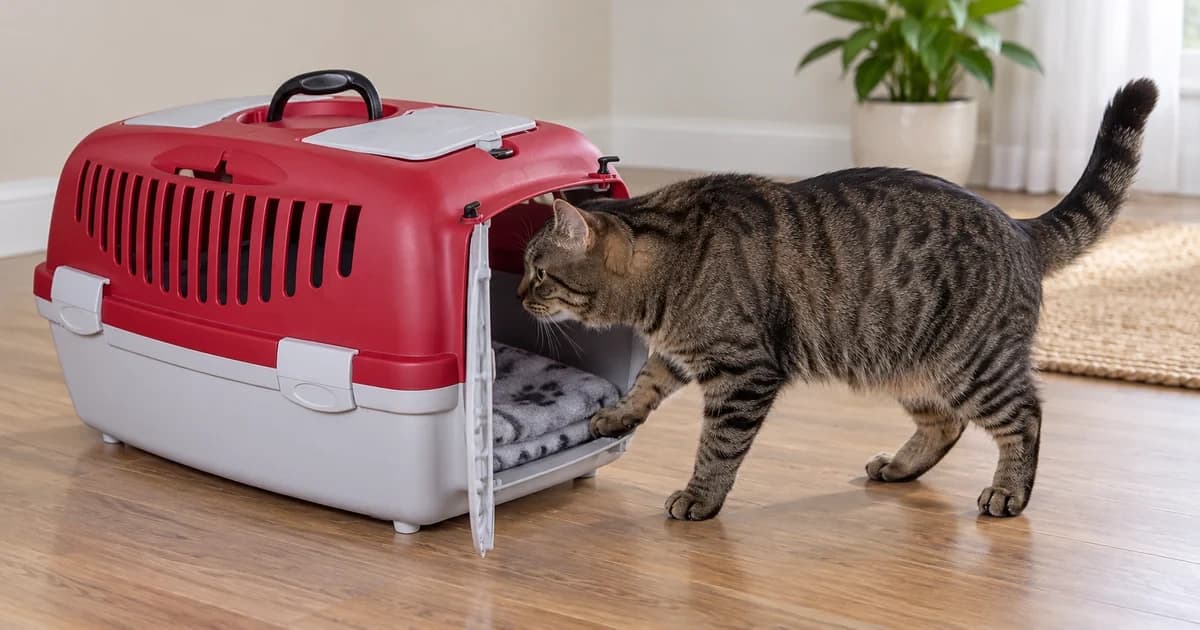
| Cat avoids the room corner or walks wide around the carrier | Leave the carrier open with familiar bedding extending slightly outside; reward looking toward or walking past it at a comfortable distance. | Placing treats deep inside, lifting the cat toward the box, or touching the door. |
| Cat sniffs the threshold or places two front paws inside, then steps back | Reward every voluntary sniff or partial step on the threshold while keeping the entrance wide open so the cat can leave freely. | Waiting for a long stay inside or moving your hand toward the door latch. |
| Cat steps all the way into the open lower tray (on a two-piece hard carrier) | Reward settling on the familiar blanket inside the open bottom tray across multiple relaxed visits. | Putting the top shell and the front door back on at the exact same time. |
| Cat walks all the way inside the fully assembled carrier with the door open | Deliver treats at the back of the carrier while leaving the doorway unobstructed so exiting stays voluntary. | Shutting the door and lifting the carrier off the floor in a single surprise step. |
| Cat stays relaxed while the door is closed briefly and reopened right away | Practise short one- to two-second door closures followed immediately by a treat and reopening the door. | Combining a long closed-door wait with carrying the box through the house. |
If your cat retreats, flattens its ears, or refuses treats when a new element is added, return to the previous comfortable row rather than treating frozen stillness as consent.
2. Distinguish a top door hatch from a detachable upper shell
Carrier designs open in very different ways—an important distinction when you compare carrier openings and structure before starting practice:
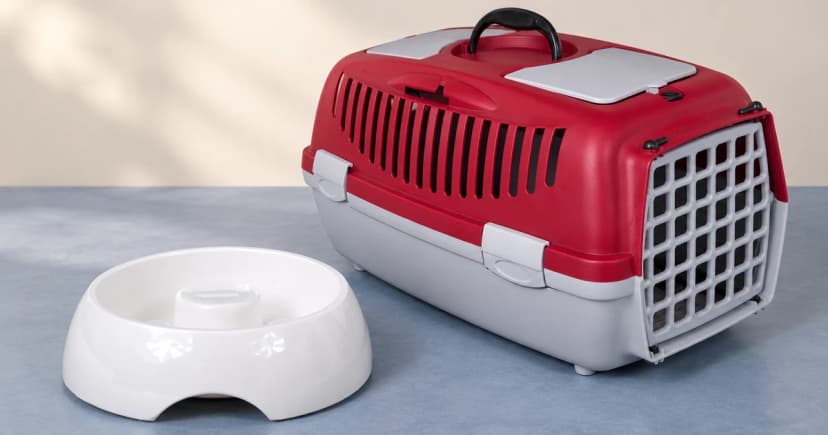
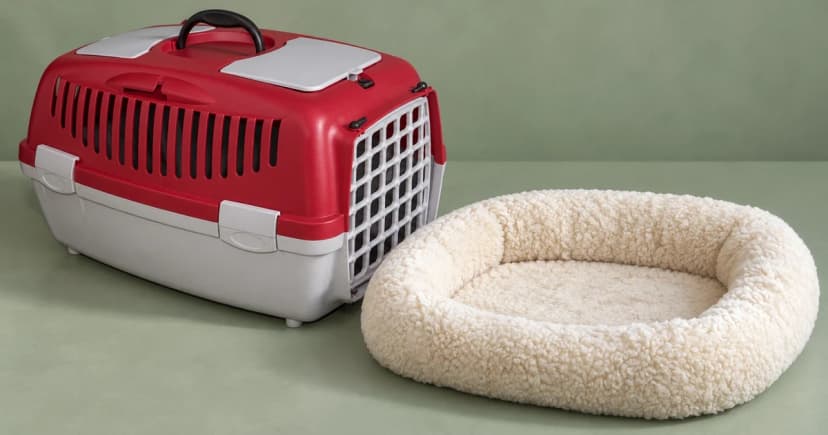
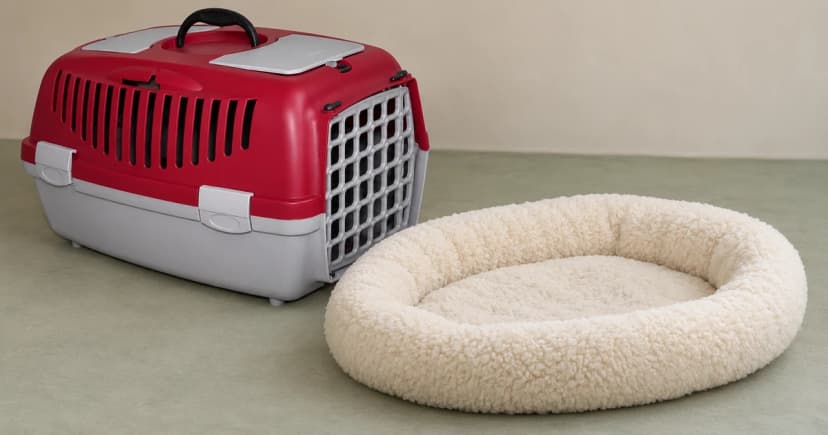
- Two-piece hard carriers with a removable roof: Battersea's cat-travel guidance and the Catit carrier-training guide both recommend unclipping the entire upper shell when the model's manual permits it, letting your cat use the bottom tray like an open bed before reattaching the top half later (while the cat is outside the tray).
- Carriers with a top hatch or soft zippered flap: Opening a small roof flap does not turn the carrier into an open tray. If your model stays assembled as one piece, secure the front door fully open so it cannot swing shut accidentally against your cat's flank.
3. Make the entrance inviting and reward small voluntary steps
Cats Protection's carrier guide advises keeping the carrier out in a calm living area as permanent furniture lined with a familiar-smelling blanket that lies flat without blocking the threshold. Following Battersea's reward-based cat training approach, place high-value treats first near the entrance and gradually farther toward the back as your cat chooses to step inside. Sit casually to the side rather than looming over the opening, and never turn a voluntary practice step into a surprise capture.
4. Add the roof, door closure, and brief lifting separately
Once your cat comfortably enters the assembled carrier with the door open, swing the door gently while your fingers and your cat's tail are completely clear, close it for just a moment, reward, and reopen before your cat tries to push out. Only after closed-door pauses are relaxed should you verify that every shell clip, bolt, and zipper is locked per the manual and practise lifting the carrier smoothly with both hands supporting its body before setting it back down.
You can review door styles and shell designs in our cat carrier category alongside other cat walking and travel categories. See our editorial policy for how welfare and manufacturer sources are handled.