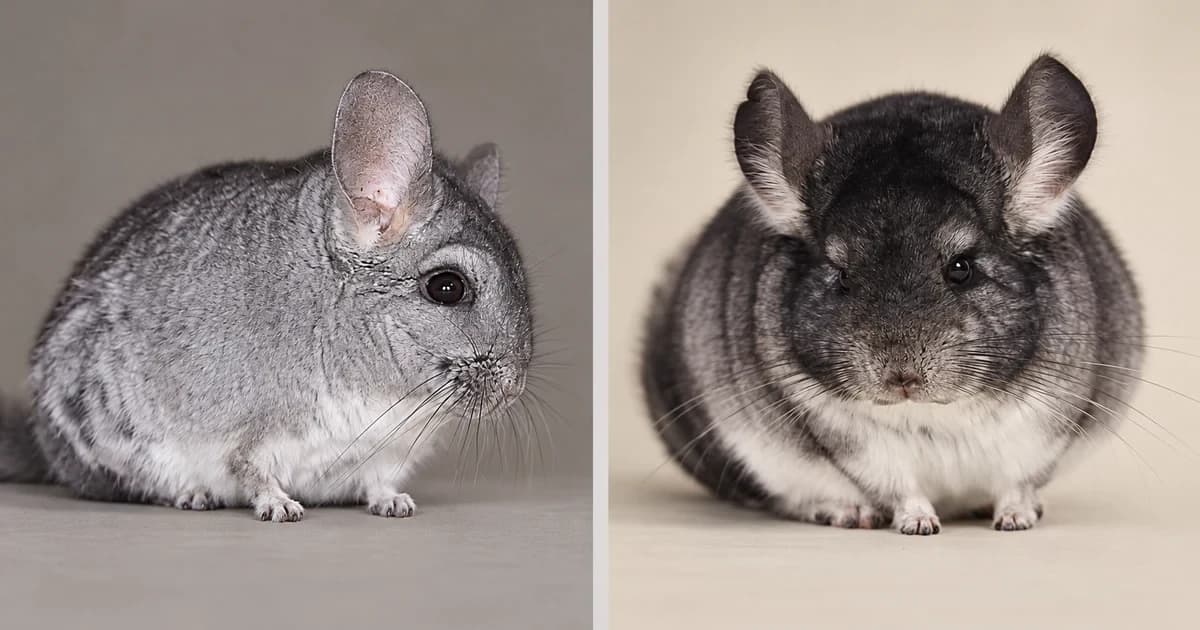
Handling a chinchilla involves three linked steps: deciding whether ground-level interaction is enough before lifting, using PDSA's two-point support method (one hand beneath or around the chest and the other supporting the hind legs close to your body near the ground, while children stay seated on the floor rather than picking the chinchilla up), and lowering the chinchilla back to its prepared area with both support points intact as soon as contact ends or struggling begins.
Prepare a low contact area
Choose a quiet, secure area away from other pets. Remove reachable hazards, including electrical cables, and supervise exploration. Keep a familiar hiding or resting place available; a chinchilla needs somewhere to withdraw. Our chinchilla cage setup guide covers the home arrangements separately.
Let the chinchilla explore at their own pace. Familiarity and petting do not necessarily mean they enjoy being held. Do not wake them for contact: the RSPCA behaviour guide calls for undisturbed daytime sleep. Keep your movements gentle and your voice quiet, without shouting or punishment.
If an adult needs to lift
Use PDSA's supported handling method: place one hand beneath or around the chest and use the other to support the hind legs. Keep the chinchilla upright and close to your body. Stay near the ground, away from shelves or furniture they might jump towards. Never use the tail as a handle.
PDSA advises that children should not pick chinchillas up. Instead, arrange interaction in a secure ground-level area, with the child sitting on the floor or a low seat. Let the animal approach voluntarily; gentle petting can follow if they become comfortable.
| Panel / Stage | Hand Position & Height Setup | Boundary & Stop Rule |
|---|---|---|
| Panel 1: Adult two-point support | Hand 1: Beneath or gently around the chest. Hand 2: Under the hind legs to bear weight. Position: Upright against the adult's body, close to the ground and away from jump-off shelves. |
Support weight from underneath rather than squeezing tightly around the ribs; never grasp or pull the tail. |
| Panel 2: Child ground-level contact | Child sits on the floor or a low seat in a secure, hazard-free area while the chinchilla approaches at its own pace. | PDSA advises that children should not pick chinchillas up; limit contact to voluntary approach and gentle stroking. |
| Panel 3: Supported low-height return | Keep both chest and hind-leg support points in place all the way down until the chinchilla's feet are back on the prepared low surface. | If the chinchilla struggles, end contact via a supported lowering rather than tightening your grip; watch for fur slip, hiding, or barking. |
End contact and reassess
Keep both points of support while bringing the chinchilla back down to their prepared area. Struggling is a reason to end contact, not tighten your grip. If a supported return is difficult, ask your vet to demonstrate rather than improvising restraint.
Watch for hiding, barking, reluctance to move or fur coming away during handling. These observations do not diagnose a cause. Changed behaviour or recurring fear warrants advice from a vet or clinical animal behaviourist. There is no requirement to progress towards longer holding.