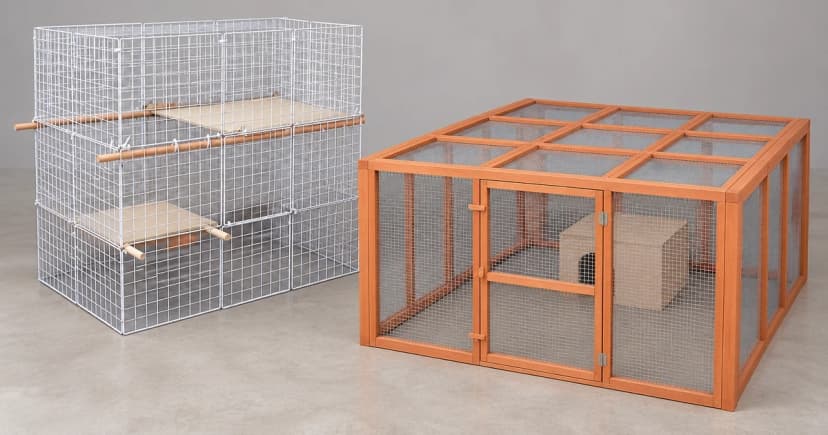
Separate routine waste removal from a fuller gerbil-cage wash, retaining only suitable familiar bedding.
Check daily without emptying everything
The RSPCA feeding guide calls for daily checks for stale stored food and water-bottle leaks or blockages. Clean the bottle and nozzle when changing its water.
A buried food store and a patch made damp by a leaking bottle are different findings. Identify what needs attention rather than treating an apparently tidy surface as the whole enclosure.
Keep scent and waste separate
The RSPCA housing guide warns that removing every familiar smell can trigger fighting. Retain some used but unsoiled bedding and nesting material; contaminated material does not qualify.
Keep retained material apart from discarded bedding and cleaning products. Blue Cross gives about one-third of the bedding as an example, not a reason to save dirty material.
Wash while the gerbils are elsewhere
Blue Cross supplies this full-clean route:
- Move awake gerbils into suitable secure temporary accommodation with bedding and toys.
- Remove bedding and accessories; clean accessories as permitted.
- Use suitable pet-safe disinfectant; wipe, wash thoroughly with warm water, then air-dry.
- Restore new and suitable retained bedding, accessories, fresh food and water; return the gerbils.
The cleaner and enclosure both need appropriate care directions. The term pet-safe does not specify dilution or contact time; resolve an unclear instruction before using that product.
Rebuild the burrowing space
The RSPCA describes deep bedding for digging and connected burrows, plus suitable nesting and hiding opportunities. A newly exposed floor is not the finished habitat.
Check that you have restored the intended resources and secured the enclosure. An attractive arrangement does not establish that its fittings work or its material is dry.
Attribute the cleaning interval
The examples differ: RSPCA says a full clean every two to three weeks; Blue Cross says three to six, depending on group size and dirt. Both describe spot cleaning every few days.
Do not average those examples into a new rule or leave wet material until a calendar date. Separate the reason for today's small clean from the plan for a larger one. A recurring wet patch is also a reason to check the particular water setup; our small-pet bottle flow and leak guide covers that equipment check.