Plan the temporary space and return before cleaning a mouse cage.
Choose the work that is needed
The RSPCA housing guide describes daily spot work and an average one-to-two-week full clean, adjusted to group and accommodation.
PDSA instead gives at least weekly cage cleaning, with spot jobs every one to two days.
Choose a routine for the actual group and current condition with the adoption team. Do not average these examples.
Prepare the mice and removable items
The RSPCA health guide calls for careful, gentle handling and avoiding a fall or jump from height.
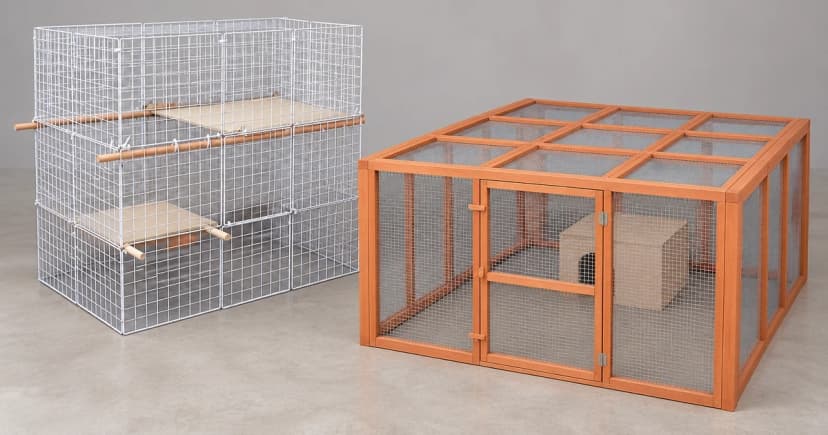
Prepare suitable temporary accommodation, its closures and the route back before dismantling the cage. Our mouse handling guide covers the separate transfer task. Follow the actual temporary enclosure's instructions and resolve an unclear fitting before moving the mice.
Identify which cage parts and accessories are intended to come off. Check each material's care directions alongside the cleaner's label.
PDSA describes cleaning the cage with a pet-safe cleaner.
This general description does not identify a cleaner for every surface. A washable tray does not provide instructions for a wooden shelter or an unknown coating. Keep discarded material separate from anything selected for reuse.
Keep the nesting context intact
For most groups, RSPCA retains clean, dry, unsoiled nesting material after cleaning, drying and replacing bedding.
High group aggression changes its advice. Seek veterinary advice for that group. Avoid moving objects or smells between cages.
Keep selected reusable material away from waste and cleaning products.
Finish before the return
Complete the required rinsing and drying for each item, then restore suitable bedding, nesting materials and resources. Refit permitted components and check the closures and water equipment before returning the mice. Use our mouse-cage setup guide for the complete arrangement.
If a mouse shows signs of illness, the RSPCA advises immediate veterinary attention.