If your dog is missing, start searching and reporting promptly. Give helpers the same real identification photograph, a last-confirmed location and a clear request to report sightings without chasing. At the same time, find out which animal-control service and receiving shelters cover the area where the dog disappeared.
A useful response separates three jobs: checking places, taking reports and comparing possible matches. Agree who is coordinating those jobs so a new sighting reaches someone who can update the search. There is no need to wait for a fixed number of hours before beginning.
Start with a last-seen briefing
Write down where and when someone actually last saw your dog. Keep that observation separate from where you think the dog might have gone. Include the dog's real appearance and anything the observer actually saw them wearing, such as a collar, harness or trailing leash. Do not add an item merely because the dog normally wears it.
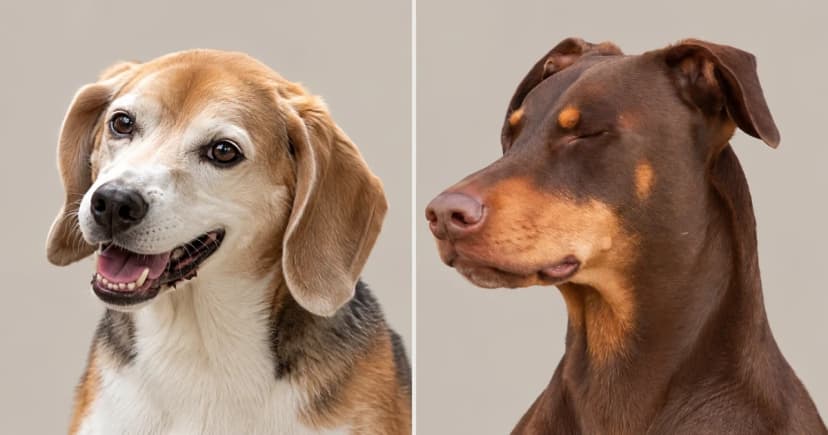
Choose recent photographs of your own dog, including useful views of distinguishing markings.
Make one person the contact for updates where possible. Give each helper the same current version of the description, photograph and last-confirmed information. If somebody learns that a detail was wrong, correct that briefing rather than allowing several versions to circulate.
Give helpers a reporting job, not a chase
Pet FBI's lost-dog checklist tells owners to ask helpers to notify them of a sighting without chasing the dog. It also recommends photo-and-contact flyers near the last-seen area, reports to relevant local services, shelter visits and checking that the microchip company's contact record is current.
Make the request concrete. A helper can send the location, observation time, visible features and direction of movement without attempting to catch the dog. A report arriving now may describe something seen earlier.
A short briefing can divide the work without sending everyone after the same uncertain sighting:
| Helper's job | Information to return | Coordinator's next action |
|---|---|---|
| Check an agreed walking area | Places actually checked and any direct observation. | Update coverage without marking an unchecked area complete. |
| Receive a possible sighting | Observer, location, observation time, visible features and direction if seen. | Compare it with the real dog description before treating it as a match. |
| Contact a receiving service | Area covered, report reference and how that service accepts updates. | Identify any remaining service-area or reporting gap. |
This is an organizational aid, not a tracking method or a tested search pattern. Do not turn the briefing into instructions for strangers to pursue, corner or capture a dog.
Check familiar routes and the right receiving areas
Dogs Trust's UK lost-dog guidance suggests checking familiar walking places, contacting local dog walkers and asking workers about sites where a dog might be trapped. It also recommends contacting services in surrounding areas and notifying the actual microchip database, including an update when the dog is found.
Its named Dog Warden, DogLost and database contacts belong to the UK context. They are not a universal US reporting system. Use the equivalent appropriate services for the place where your dog disappeared, rather than copying a foreign contact list.
For a dog lost away from home, label the briefing with that location clearly. A receiving organization covering your home address may be different from the organization serving the last-seen area. Ask each service which places it covers and where a found dog from that location would be taken.
American Humane Society's guidance recommends contacting local shelters, animal control and veterinary offices promptly. It advises visiting shelters when possible rather than relying only on a phone description. For flyers and online reports, it calls for a recent photograph, physical description, distinguishing markings, last-known location and contact information.
Record the service's actual instructions for making or updating a report. Do not assume that one conversation has entered the dog into every nearby system. Share the report reference with the person coordinating calls so that follow-up does not depend on somebody remembering the details later.
Update the briefing without inventing a route
When a sighting arrives, compare the visible features with your photographs before changing the last-confirmed point. Keep an unverified report marked as unverified. Two similar-looking dogs in different places do not establish a continuous route.
Retain the observer's original description. “Heading toward the park” is different from “seen inside the park,” and a reported direction does not tell you where the dog went next. Pass useful details to the coordinator and relevant receiving services without turning them into a predicted search radius or a promise of where the dog will return.
Verify a reported find before arranging collection
American Humane Society advises asking a caller for photographs or identifying details before meeting. It recommends a safe public meeting place and bringing a leash or carrier for transport. Compare the report with your actual dog; a message claiming a find is something to verify, not confirmation by itself.
Keep helpers and contacted services informed when the case status changes, so an old report is not mistaken for a new sighting. Keep your notes until the relevant reports and updates have been reconciled.
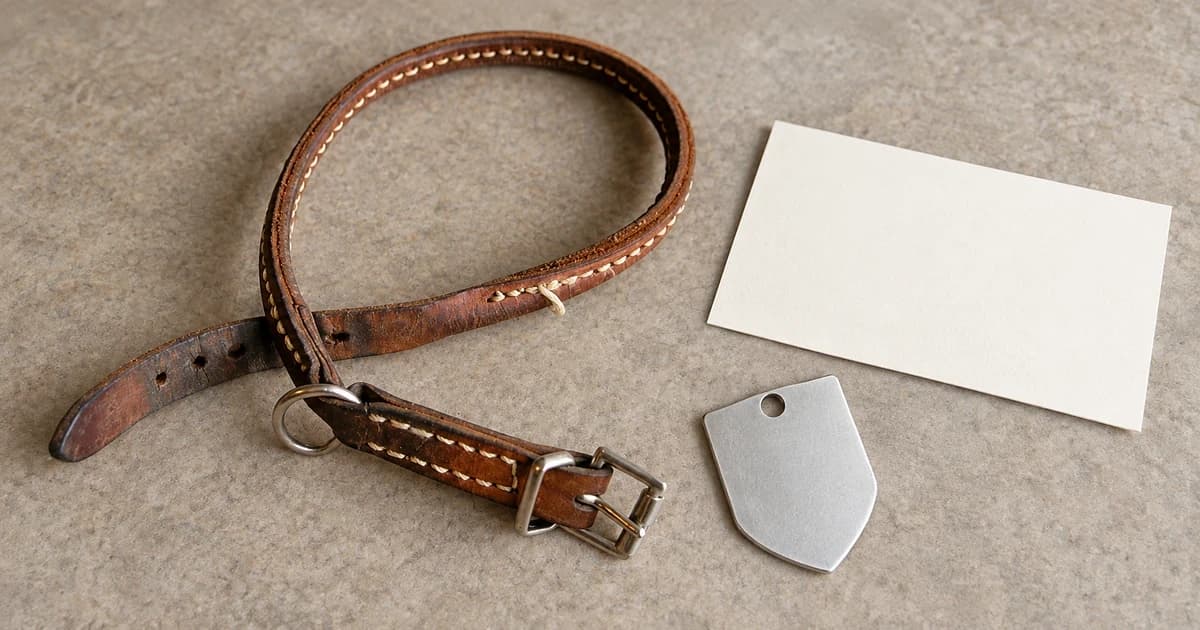
Identification equipment is secondary preparation, not a reason to postpone searching. Our pet ID tag attachment guide handles the separate hardware task, and the ID tag category groups equipment information without establishing a particular item's availability or suitability. The editorial policy explains source-based guidance; this guide reports no real search, tracking test or recovery result.