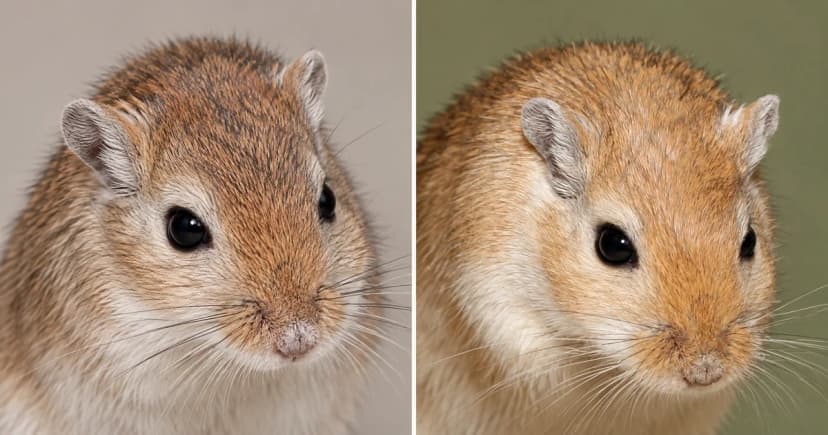
Choose what your mice can do, then watch how they use the opportunity. A new object is only one part of an activity.
Offer activity without disturbing rest
Mice are active at dusk, dawn and through the night. Leave their daytime rest undisturbed and provide a quiet setting for exploration.
Keep cover available: mice prefer to stay near hiding places. The mouse-cage setup guide covers the permanent arrangement.
Give them different jobs
For searching, PDSA suggests scattering food around the cage. Change the presentation of their usual food rather than adding a new meal or treat menu.
For investigation, cardboard tubes let mice climb, chew and manipulate them as well as hide. Keep several exits and enough room to turn around.
For digging, provide bedding deep enough to burrow into darkness while still allowing you to check the mice. Shelves and climbing facilities can add horizontal and vertical routes.
A wheel is another option, rather than the only activity. RSPCA specifies a solid, axle-free structure; PDSA calls for enough room to run without bending the back, and no trapping gaps.
Observe every mouse
Monitor new shelters for aggression between cage-mates, and check that mice can still reach their resources and retreat. One animal using an addition does not show that it works for the group.
Compare behaviour with what is normal for your mice. If behaviour or appearance changes, seek veterinary advice rather than assuming they need a harder activity.
Change or finish the offer
Keep the next decision specific: move an optional item that blocks a route, choose a different activity if it is unused, or stop disturbing a resting mouse. Do not push an animal into a tunnel or onto a wheel.
Resolve uncertain equipment fittings with its maker. Remove waste and follow each item's care directions; the separate mouse-cage cleaning guide covers that full task.