To take a dog camping, confirm where that particular campground allows dogs, then work through how your dog will be cared for from arrival until departure. A pet-friendly pitch does not answer what happens when you need the washroom, who stays with the dog during setup or whether your planned activities allow dogs.
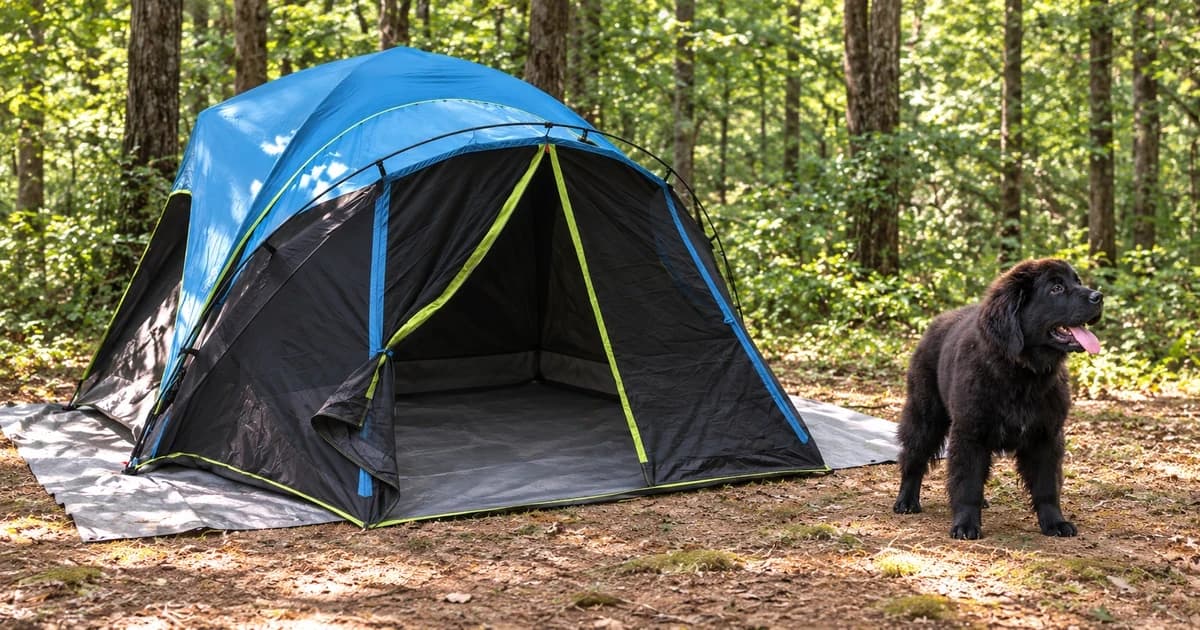
Before booking, make a short record for one proposed stay. Equipment comes after those decisions; a tent photograph or a packed travel bed cannot settle them.
The US National Park Service’s Camping with Pets page, last updated in July 2018, distinguishes campground access from restrictions on facilities, water areas and the backcountry. It also asks visitors to check the particular park’s rules and never leave a dog unattended. This general page is a starting point for questions, not current permission for a named campground.
Contact the operator about the exact accommodation and dates you want. Describe the dog and the number of people traveling rather than asking only, “Are you dog friendly?” Keep the answer or the relevant policy link with your booking details, including when it was obtained.
Campground operator KOA’s February 2024 camping guide recommends contacting individual locations about their pet policies. Its examples include leash requirements, noise rules, pet limits and differing amenities. These are questions to resolve with your chosen operator; KOA’s general guide and commercial lodging descriptions do not establish another campground’s arrangements.
Use specific questions: May the dog accompany an adult to the washroom building, reception or washing area? Are any access routes or planned activities restricted? What are this site’s leash, waste and noise instructions? “There is a washroom” and “I can use it while remaining with my dog” are different answers.
Write the overnight plan as a set of connected tasks
Start with the periods that can leave a gap: checking in, setting up, cooking or washing up, using shared facilities, leaving the pitch and sleeping. For each, write a person’s name and a location. Avoid an entry such as “dog stays at the tent” that names a place but leaves nobody responsible.
| Part of this stay | Put in the record | Leave unresolved until answered |
|---|---|---|
| Pitch and facilities | Booked accommodation, operator’s dog policy and the facilities you need to use. | Any place you expect to enter with the dog but have not confirmed. |
| Setup and shared chores | The adult attending to the dog while other tasks take place. | A task that needs everyone’s attention at once. |
| Water, meals and waste | What you bring, where an ordinary water supply comes from and the site’s disposal instructions. | An assumed tap, bin or washing facility. |
| Evening and overnight | Where the accompanying adult and dog will be, and how a needed outing can be managed under the site’s rules. | An overnight arrangement whose permission or practical details are still unknown. |
| Plans away from the pitch | The places you can visit together, or the agreed alternative care arrangement. | An activity that leaves the dog without an attending adult. |
This is an organizational aid, not a tent suitability assessment. It does not establish that an enclosure can contain your dog, that equipment fits or that an unfamiliar overnight setting will be comfortable. Resolve those individual questions separately before relying on the arrangement.
Find the uncovered washroom visit before you arrive
Consider a hypothetical solo camper whose chosen pitch permits dogs. The listing shows washrooms and a dishwashing area, but says nothing about whether a dog may accompany someone there. The camper has already written “dog at pitch” beside both chores. That entry reveals an unanswered care question; buying a longer line does not answer it.
Ask the operator how those facilities can be used while an adult remains with the dog. A workable answer might require a different accommodation, a confirmed companion or another care arrangement. If the answer is still unclear, change the booking or choose a different plan rather than count on leaving the dog alone for a short time.
With two adults, check the overlap too. If both are needed for setup, neither is automatically available to attend to the dog. Revise the sequence or arrangement before you arrive. Recheck it if the companion cancels or the site changes your accommodation.
Pack for the care tasks you have actually arranged
The American Kennel Club’s camping guide recommends keeping the dog with you day and night, supplying drinking water and bowls, collecting waste and bringing ordinary resting items such as a bed and towel. Its broader article includes affiliate products and medical material; those sections are not the basis of this planning guide.
Put the ordinary items beside their purpose in your record. A bowl needs a known supply of drinking water. Waste bags need a disposal plan that follows the site’s instructions. A familiar rest item needs an actual agreed place in the overnight arrangement. This is more useful than adding accessories without knowing which task they solve.
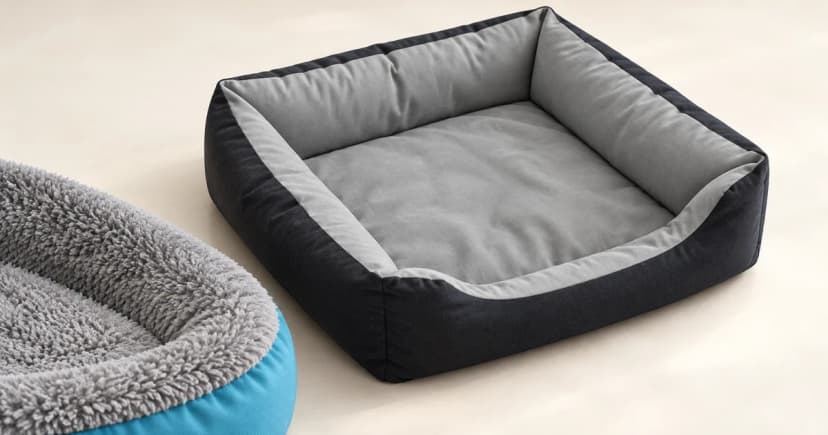
If you need to compare equipment, our travel and camping beds and travel bowls and water bottles categories organize those separate choices. Check each item’s own instructions. A category name does not confirm availability, weather protection, suitability for your dog or permission to use it at the site.
Keep the journey itself in a separate plan: our dog car-journey guide covers usable stops and care during travel. Here, the decision is whether this overnight stay has confirmed access and continuous adult coverage. If either remains unresolved, the camping plan is not complete.
This is a source-based planning guide, not a veterinary assessment, campsite inspection or tent test. See our editorial policy.