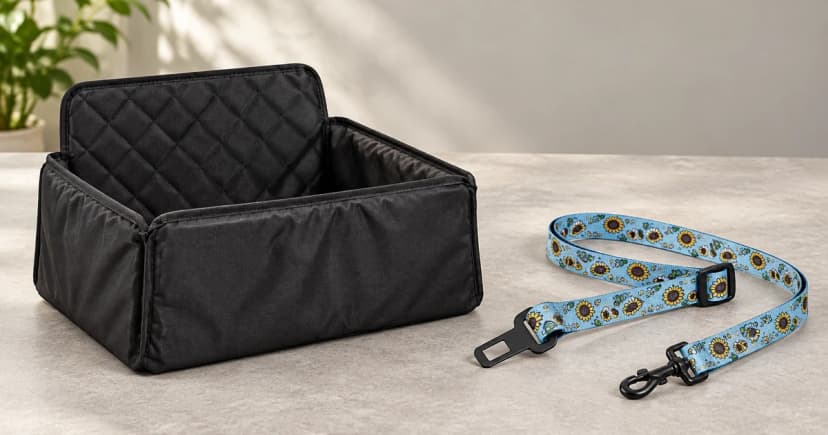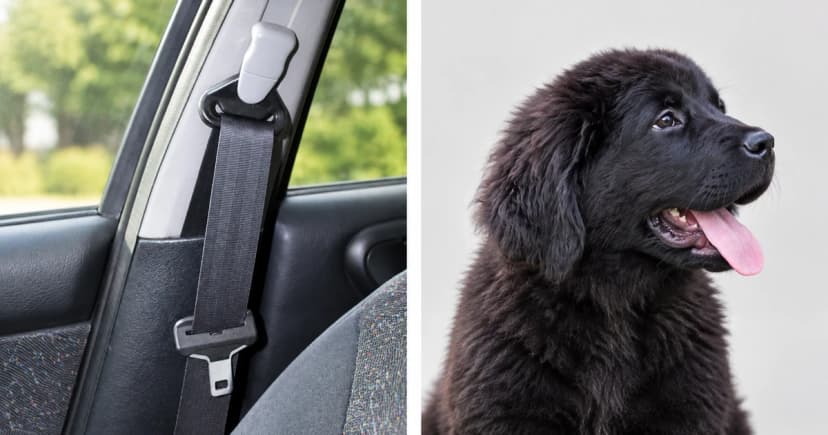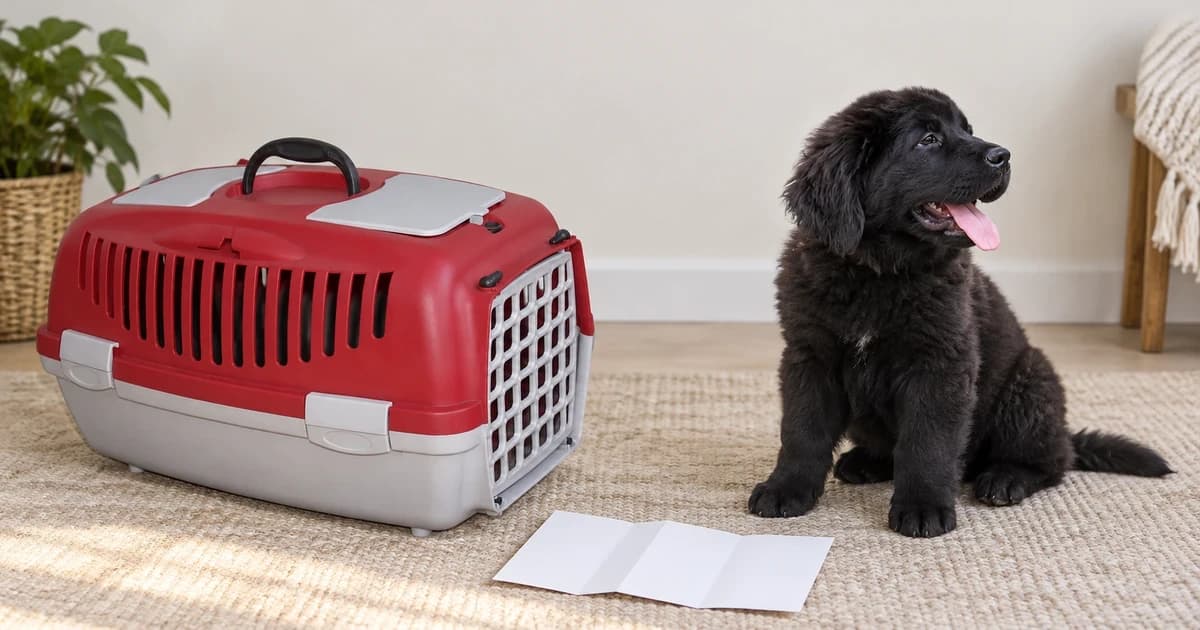
To travel with a dog in a car, plan more than the drive. Resolve the equipment arrangement, choose places where your dog can actually leave the vehicle for a break, and agree who will look after them at each stop. A route with a café pin does not yet explain where the dog can walk or what happens while someone buys lunch.
This guide helps you put those decisions together. It does not provide a universal restraint installation, judge crash protection.
Check readiness before committing to the long journey
The UK charity Dogs Trust recommends starting with short, gentle journeys and says a familiar companion can help while you drive. Its advice also separates learning to enter and leave the car calmly from the journey itself. If a dog is frightened, it advises against forcing travel and recommends experienced behaviour support. These are preparation principles, not a deadline for making every dog accept a long drive.
Before booking an optional trip, ask what your dog has already experienced. A quiet parked car, a short local drive and a busy holiday route are different situations. Leave room to change the plan if the next step is not manageable. Repeated difficulty or illness belongs in an individual discussion with an appropriate professional, rather than a promise that another accessory will solve it.
Identify the actual carrier or restraint, its model and the vehicle instructions before departure. A carrying handle, headrest or available buckle does not by itself establish an authorized connection. This planning guide supplies no substitute belt route.
Choose usable dog stops, then build the route
The UK veterinary charity PDSA suggests breaking longer journeys with opportunities to stretch and drink, such as a park or a service station with a dog-walking area. It also advises checking conditions in the back of the car, minimizing unnecessary waiting and never leaving a pet alone in the vehicle. A stop needs to work for the dog, not just the fuel tank.
For each possible stop, confirm the facilities and current dog policy with the operator. Distinguish a walking area from a car park and an outdoor seating area from a place your dog is allowed to enter. An online listing can leave those questions unanswered.
Keep the route flexible enough to use another stop or change the day’s plans. Do not turn an estimated arrival time into a reason to postpone a needed break. There is no single interval or distance in this guide that determines every dog’s water, toileting or walking needs.
Name the person responsible during each errand
Dogs Trust explicitly advises bringing someone who can take the dog out on a lead while you complete errands, or leaving the dog at home instead. Apply that decision before arriving at a stop where dogs cannot accompany you. Shade, an open window or the expectation of a quick purchase does not complete the care arrangement.
With two adults, use names rather than “someone will stay.” One person can complete the errand while the agreed handler accompanies the dog. If you travel alone, choose stops and activities that allow you to remain with your dog, arrange suitable care beforehand or change the journey. Do not rely on an unconfirmed companion at the destination.
| Part of the journey | Agree before leaving | Question to resolve |
|---|---|---|
| Fuel, food or other errand | Name the adult accompanying the dog and the person completing the errand. | Can the dog’s handler use the planned area while the other person is away? |
| Walking, water and toilet break | Choose an actual permitted stop and keep the lead, bowl and waste bags accessible. | Is there a usable alternative if access or conditions have changed? |
| Arrival and unloading | Agree who attends to the dog while other people unload belongings or speak to the host. | Where will that person go with the dog before unpacking begins? |
These are organizational prompts, not an installation procedure. Make the transition with the vehicle parked, keep responsibility explicit and follow the equipment’s instructions for loading and unloading. Before resuming the drive, confirm that both people understand the next stop and their roles.
Pack the stop supplies together
The US-based ASPCA’s travel guidance recommends a prepared kit with water, a bowl, lead, waste supplies and familiar items, alongside relevant travel documents. It also recommends keeping contact information with the pet and never leaving an animal alone in a parked vehicle. Its separate flight, health and interstate passages are outside this article’s scope.
Put the items needed for a break together so the person handling the dog knows where they are when parked. Check that the water container closes as its maker instructs; our travel water bottle preparation guide covers that separate equipment task. Do not mistake a packed bowl for a confirmed supply of water.
Recheck the plan if the companion, destination, vehicle or equipment changes.
Keep equipment browsing separate from travel approval
Pawlivy’s dog travel categories, including hard-sided carriers and travel bowls and water bottles, organize equipment questions. A listing does not establish fit, vehicle compatibility, stock availability or restraint performance.
The three linked welfare sources support the planning points above. UK legal statements and US entry or flight requirements are not applied across countries here; no medical, feeding or fixed-temperature advice is provided. Our editorial policy explains how sources, practical planning and photo-based illustration are kept distinct.