Teach arrival and waiting separately.
Prepare a willing start
The FVMA reinforcement toolkit recommends individual sessions, few distractions and a reward the particular cat values. Postpone training with an ill or painful cat, or one hiding, crouching, growling or hissing.
In Battersea's training guidance, a marker word first gains meaning through pairing it with an immediately following reward. Use that familiar marker to identify the rewarded moment; a newly chosen word does not already carry the association.
Build the station
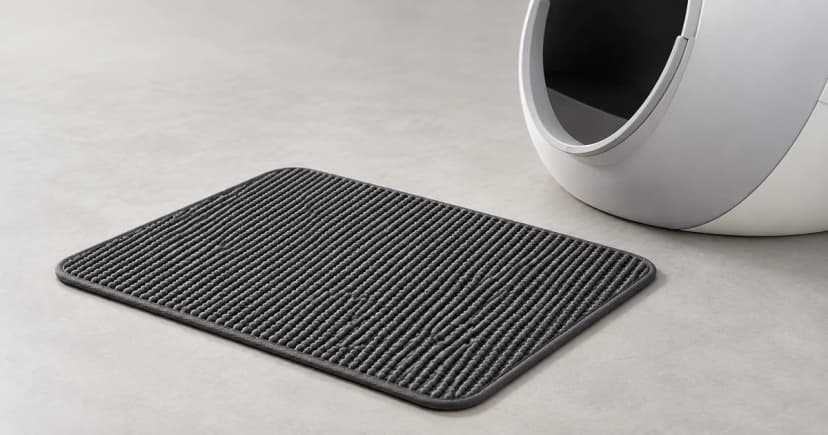
Put a recognizable, comfortable mat on the floor. The HSSV station exercise rewards looking, approaching and stepping onto it, then progresses to all four paws. Reward frequently.
Once arrival is consistent, briefly delay the marker, then gradually extend waiting. Add the cue just before reliable entry; mark and reward.
Add a little distance or a mild distraction. Change one at a time. Use a consistent release word when training ends. If your cat leaves early, reset without punishment and reward a willing return. Keep practice short and stop before frustration.
Check the response
A look toward the mat, four paws on it and remaining there are three different observations. Note which occurred before changing the next attempt. Arrival alone does not demonstrate waiting or a learned verbal cue.
A voluntary sit asks for a posture; this lesson asks for a location. Carrier practice adds a separate enclosure and door task.
Keep the exercise optional. Being on a mat does not establish permission for handling, replace supervision or make ordinary care conditional on a performance.