To prepare for a new puppy at home, decide three things before arrival: where everyday sleeping, eating, and toilet routes will happen, which named adults are responsible for each shift and backup handover, and which open questions still need answers from the puppy's provider or your veterinary practice. Buying bowls and beds is only a starting step—a bed still in its shipping box or two adults each assuming the other will stay home is an unfinished plan.
Build a shared household handover sheet that pairs every supply and routine with a real room, a confirmed person, and verified contact details. This guide covers that practical household coordination; it does not prescribe a universal feeding portion, vaccination calendar, or alone-time schedule.
Plan the space before filling it with supplies
Walk through the rooms you plan to use during the first weeks: where the puppy will rest quietly, where food and water bowls will sit, where leads and cleaning supplies will be stored, and which door an adult will use for frequent toilet trips. Check how normal household traffic changes across the day—a corner that looks peaceful at noon may sit right in the busiest doorway at dinner time.
Dogs Trust's puppy preparation checklist highlights registering with a veterinary clinic (including out-of-hours emergency cover), organizing who cares for the puppy when you are occupied, and setting up distinct eating and resting spots—noting that a bed near the garden door can aid toilet trips while quiet resting areas should stay out of busy foot traffic, and that using a crate depends on a proper gradual crate-training plan.
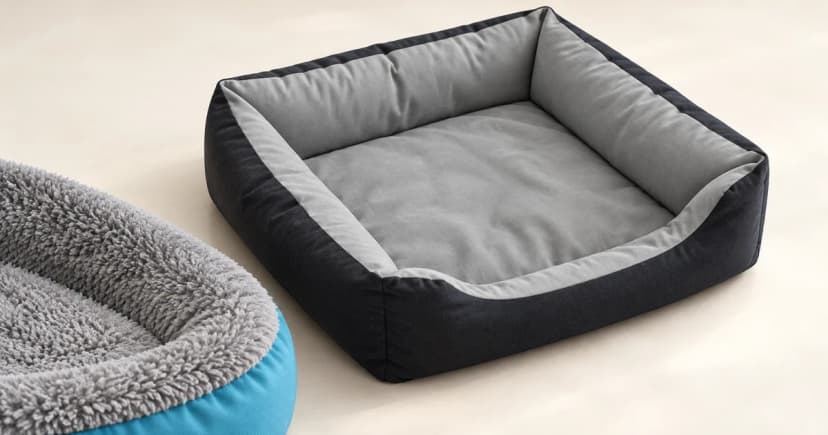
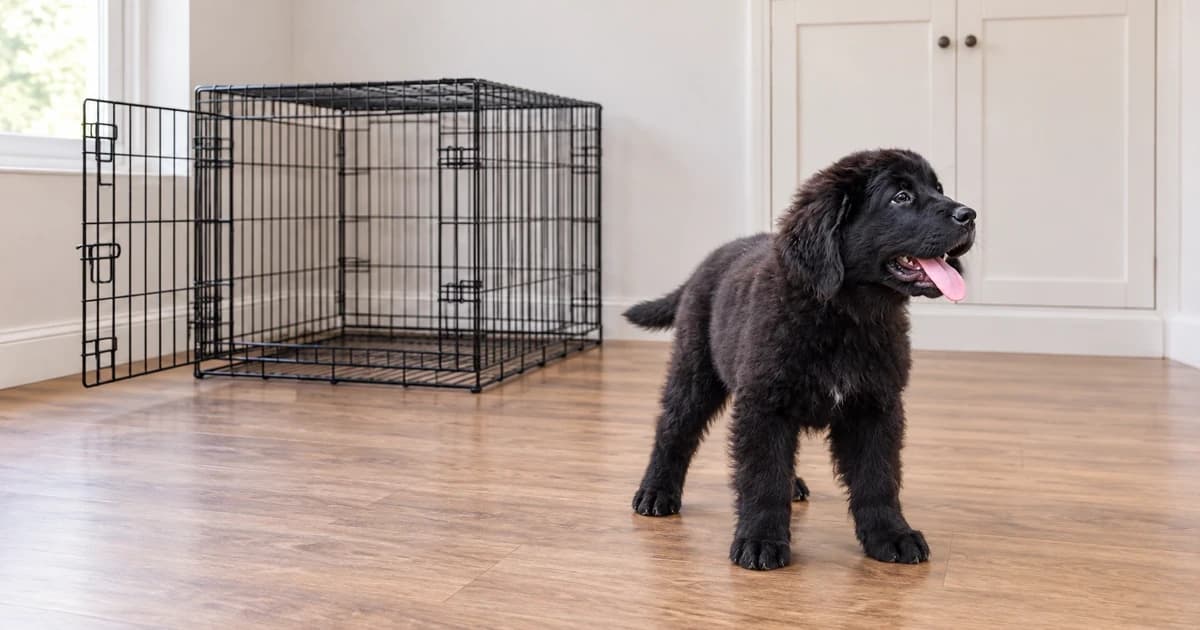
Check what equipment you already own before ordering more. When browsing dog beds and bedding, verify the bed's dimensions for your intended corner and its washing instructions. If you choose to use an indoor crate, deciding where it sits is separate from helping your puppy feel comfortable inside it—see our crate-training guide for that step-by-step introduction, and remember that a crate is optional and never replaces attentive supervision.
Walk through the room as it will actually be used
PDSA's new-puppy guide prompts families to agree beforehand on who handles walks, feeding, and play, set up separate resting and eating spots, move household hazards such as cleaning chemicals and electrical cables out of reach, and maintain consistent house rules.
Walk the puppy's rooms together with everyone in the home. Spot where shoes, backpacks, phone chargers, or cleaning sprays actually get set down after work, and assign a specific closed cupboard or high shelf for them. For any pet gate or playpen you plan to use, check its exact manual and doorway fit beforehand rather than assuming it fits every frame.
Name the person who takes over and record clinic contacts
Blue Cross's first-time dog owner guide emphasizes researching a local veterinary practice before bringing a dog home, planning ongoing daytime care once initial time off ends (with agreed family help or a vetted sitter), and verifying that any puppy classes or trainers use reward-based methods.
Write down specific people's names rather than “someone,” and make sure any backup caregiver has explicitly agreed and shared their phone number. If two household members both assume the other is free during an afternoon meeting, the gap is a scheduling problem that no extra puppy toy can fix.
| Preparation Area or Contact | Named Person & Agreed Backup / Location | Phone, Address & Out-of-Hours Details | Status (Confirmed vs. To Confirm) | Confirmed Details or Open Question to Resolve |
|---|---|---|---|---|
| 1. Puppy provider (breeder, rescue, or shelter) | Lead contact: [Name] Provider name: [Name] |
Phone / email: [Fill in] Pick-up address: [Fill in] |
[Confirmed / To Confirm] | Current food brand & meal times, worming/vaccination dates, microchip transfer paperwork, and scented blanket for travel. |
| 2. Daytime & out-of-hours veterinary practice | Lead contact: [Name] Clinic name: [Name] |
Daytime phone: [Fill in] Out-of-hours emergency phone & clinic location: [Fill in] |
[Confirmed / To Confirm] | Initial health check date, local vaccination and parasite schedule, and safe outdoor socialisation timing. |
| 3. Daily care & absence handover | Primary person: [Name] Agreed backup person: [Name — consent confirmed] |
Primary phone: [Fill in] Backup phone: [Fill in] |
[Confirmed / To Confirm] | Who covers morning, midday, evening, and night toilet trips, and how the handover log is updated between shifts. |
| 4. Resting, feeding & toilet-outing locations | Setup lead: [Name] Rooms used: [Kitchen / living room] |
Outdoor toilet door & night lighting checked | [Confirmed / To Confirm] | Quiet resting spot away from foot traffic, separate food/water station, and optional crate placed with door propped open. |
| 5. Room safety & equipment instructions | Safety check lead: [Name] All household members briefed |
Gate / pen model manuals stored in: [Location] | [Confirmed / To Confirm] | Cables, shoes, bags, and cleaning products secured out of reach; consistent room-access boundaries agreed by all adults. |
Resolve the blanks before calling the plan ready
Treat every “To Confirm” box in the worksheet above as a pre-arrival action item for a named person: get the puppy's current routine and medical history from the provider, and record both daytime and out-of-hours emergency veterinary numbers where every caregiver can find them immediately.
Update your household sheet once your puppy arrives and you see how they actually use the rooms. Completing a planning table helps prevent missed handovers, though it does not guarantee a puppy will immediately sleep through the night or accept a harness without gentle practice. See our editorial policy for how we use welfare sources.