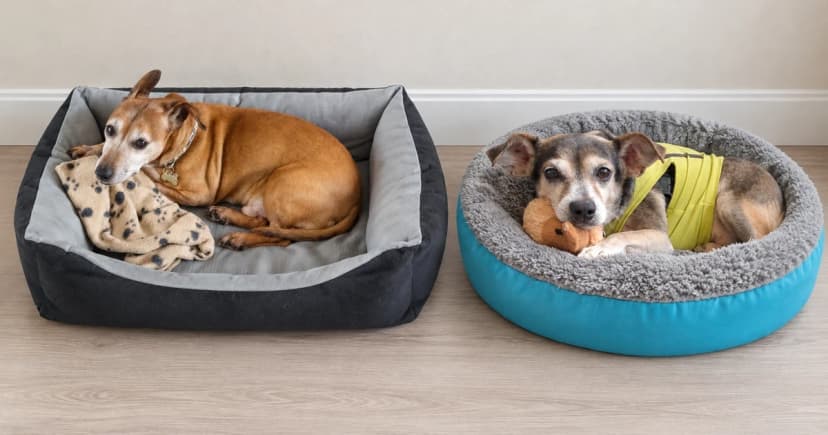
Learning how to settle a puppy at night starts with separating two different milestones: helping a young dog relax calmly in its bed at bedtime, and developing the physical bladder and emotional maturity required for how to get a puppy to sleep through the night without waking for a toilet break. Because no bed or schedule sets a fixed age deadline for uninterrupted sleep, build tonight's plan around four practical steps: a quiet wind-down before bed, an adult sleeping nearby, a calm low-stimulation response whenever the puppy wakes or cries, and a brief morning handover note (Dogs Trust; PDSA; Blue Cross).
Four-stage overnight routine: from bedtime to morning review
Whether you are researching how to get dog to sleep through the night or wondering how to make dogs fall asleep more peacefully in a new home, follow this four-stage sequence so every adult in the household responds consistently:
Stage 1: Calm bedtime wind-down and adult proximity
In the hour before bed, lower household noise and dim bright lights rather than playing an energetic game to tire the puppy out—over-arousal makes settling harder, not easier. Take the puppy out for a final quiet toilet opportunity right before bed (Blue Cross), then guide them to their prepared resting area with an adult staying close enough to hear and reassure them.
When choosing dog beds and bedding, check washable care labels and safe seams rather than relying on “calming” product titles. If you plan to use a crate, introduce it gradually during the day first using our puppy crate-training guide—never shut an unaccustomed puppy inside a closed crate for the first time at lights-out or use the sleeping area as punishment.
Stage 2: Night waking—check toilet needs without letting the puppy cry
All three UK welfare charities—PDSA, Blue Cross, and Dogs Trust—advise comforting a worried puppy and responding to night waking rather than leaving a puppy alone to cry it out. When your puppy stirs, whines, or barks in the night, attend promptly and take them quietly to their toilet spot; young puppies frequently need one or more overnight toilet breaks.
Stage 3: Post-toilet return—keep the interaction boring and reassuring
During a 2 a.m. toilet trip, use dim lighting, speak in a low murmur, and skip games, food rewards, or excited praise so the outing does not turn into a midnight play session (Blue Cross). Bring the puppy straight back to the bed and stay nearby with calm verbal or gentle physical reassurance until they drift back to sleep.
Stage 4: Morning handover and daylight adjustment
Instead of grading the night as a pass or fail, leave a three-line handover note for the next caregiver so no one swaps the bed to a new room in frustration after a single restless night:
| Night stage | What to record for the next caregiver | Action for the next night |
|---|---|---|
| Bedtime settling | Time of last toilet break, sleeping location, and which adult stayed nearby. | Keep the same calm pre-bed sequence and adult support arrangement. |
| Overnight waking | Times the puppy woke, whether they urinated/defecated outside, or whether they needed quiet reassurance. | Respond promptly when the puppy stirs rather than waiting for crying to escalate. |
| Return & resettling | How quickly the puppy settled back down with low-key adult presence. | If frequent waking, straining, or distress persists, consult your veterinarian to rule out discomfort or illness. |
Note on where to place the bed: how welfare guides differ
For the broader first-week household checklist, see our new-puppy preparation guide, and review our editorial policy for how we attribute welfare sources.