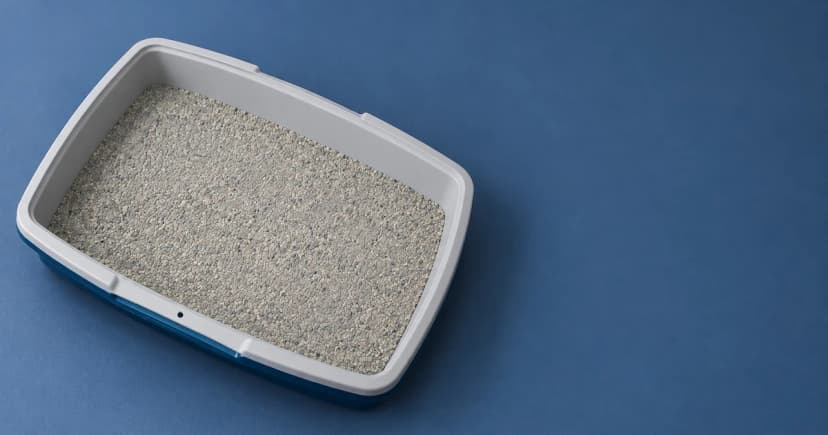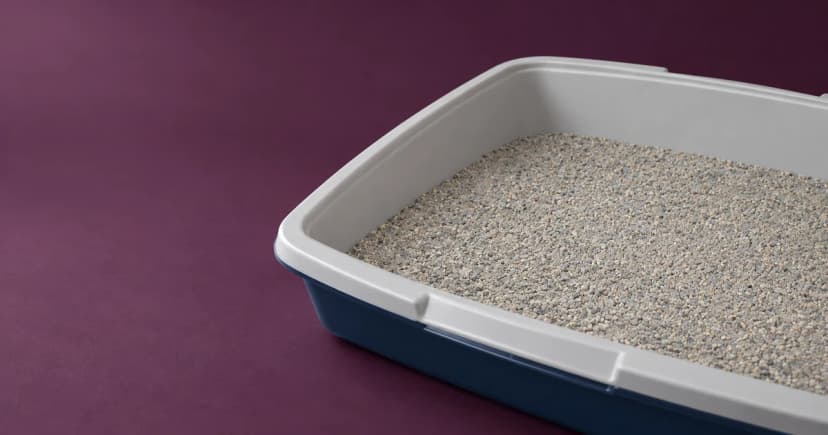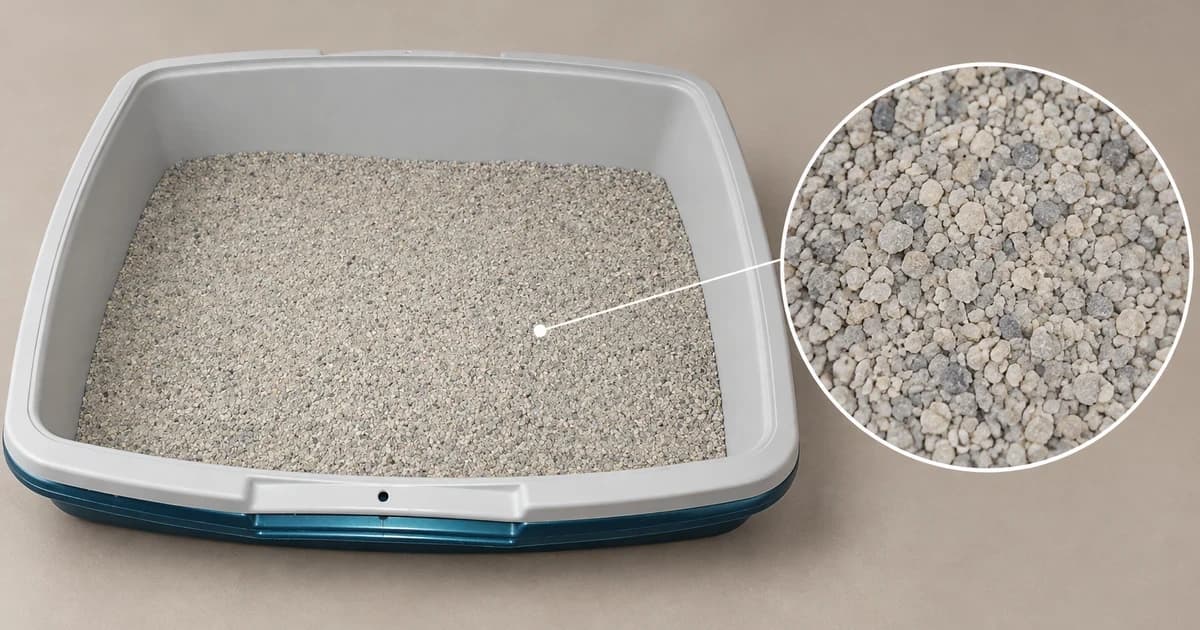
Deciding how to switch cat litter safely comes down to preserving your cat's choice through one of two gradual routes: either blending a small amount of the new formula into your cat's current litter over time, or setting up an extra tray with the new litter while leaving the familiar tray unchanged. Never force an abrupt swap—and if your cat strains, vocalizes, or stops urinating normally, contact your veterinarian immediately rather than waiting to see if they adjust to the new litter.
1. Keep the box location and routine steady before starting
If your cat already uses their current cat litter comfortably, Cats Protection's guide to choosing cat litter notes that you may not need to change it at all. When a switch is necessary, change only the litter material itself—keep the tray style, room location, and daily scooping schedule identical so you do not combine multiple upheavals at once.
2. Compare the two transition routes: gradual mixing vs. a separate tray
Cats Protection outlines two practical ways to learn how to switch cat litter gradually without imposing an arbitrary percentage schedule or fixed day count:
| Transition route | How to set up the trays | How to progress based on your cat's response | What to do if your cat avoids the tray |
|---|---|---|---|
| Route A: Gradual mixing in the existing tray | Fill the tray with your cat's familiar litter and mix in a small handful or thin layer of the new litter. | Increase the proportion of new litter gradually across refills only while your cat continues using the box normally without hesitation. | Return immediately to a higher ratio of the familiar litter or restore 100% familiar litter. |
| Route B: Side-by-side separate choice tray | Keep your cat's existing tray filled with 100% familiar litter, and place an additional tray nearby filled with the new litter. | Watch which tray your cat chooses over time; keep the familiar tray available until the new tray is used consistently. | Keep the original familiar litter as your permanent choice rather than removing the old tray to force use of the new one. |
3. Seek immediate veterinary help for toileting distress
Both Cats Protection's toileting advice and PDSA's litter-training guidance stress never punishing toileting accidents outside the box. More importantly, PDSA advises contacting a veterinarian immediately if your cat strains in the tray, cries, passes blood, makes frequent unproductive visits, or stops passing urine—difficulty urinating can be a life-threatening medical emergency and must never be written off as dislike of a new litter.
Keep pan hygiene and scent questions separate from a formula switch: see our guides on Cleaning routines and fragrance choices.