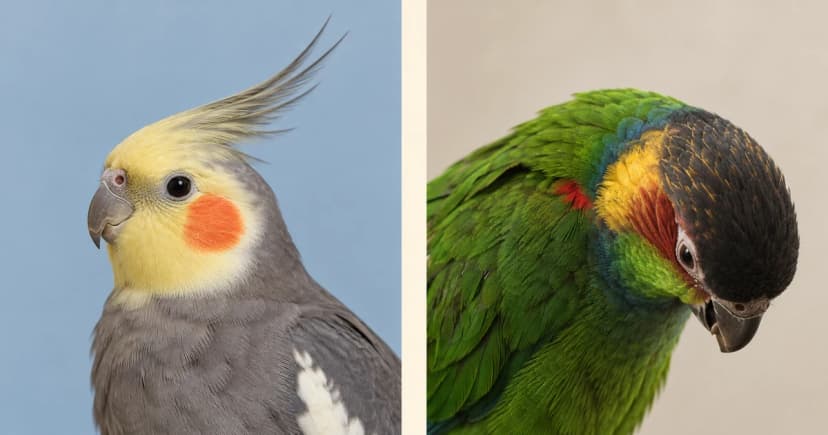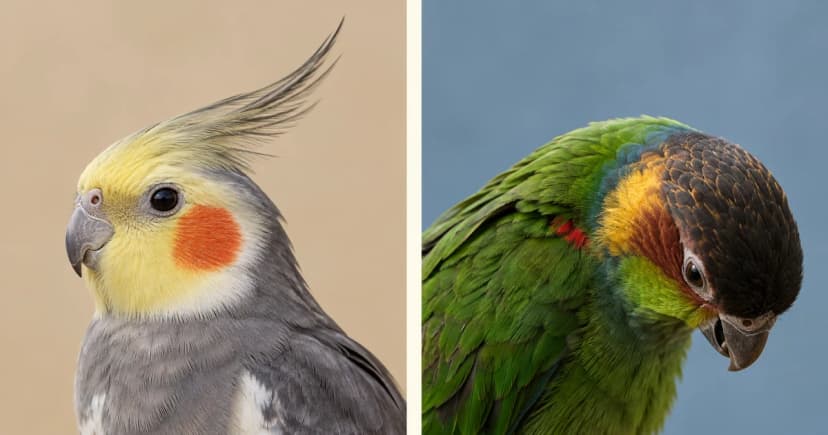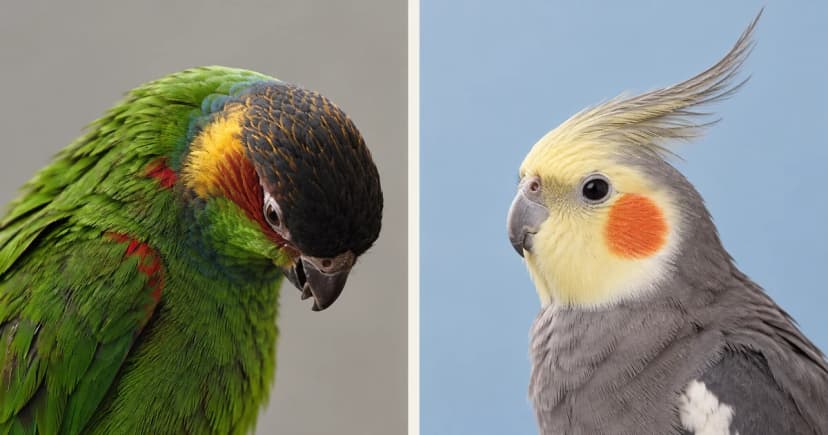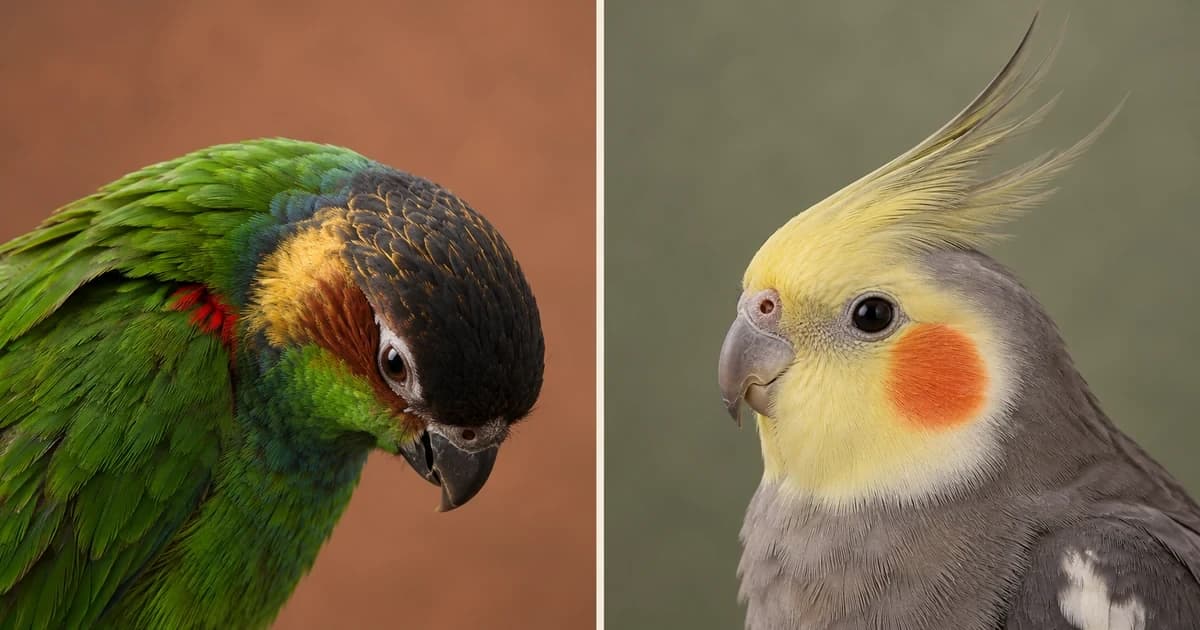
Knowing how to target train a parrot starts with offering a stationary target—such as a plain wooden chopstick—close enough in front of your parrot's beak for an easy, voluntary beak touch, and rewarding that contact immediately. Move the target slightly to invite a lean or a single step along the perch only after the stationary beak touch is effortless, and stop immediately if your parrot steps away rather than chasing the bird with the stick. Target touching is a voluntary communication skill, not proof that a bird is ready for physical restraint or travel.
Check willingness and move at your bird's pace
The RSPCA's bird training guidance advises keeping your movements calm and unhurried, working at the individual bird's pace, rewarding voluntary attempts promptly, and ending the session right away if your parrot looks tense or distressed.
Follow the three-stage beak-target progression without chasing
Medical Center for Birds outlines a clear progression from presenting a stationary chopstick near the beak to shifting the target slightly once touching is established. Use the three-stage table below so you never move the stick too soon or push it toward a reluctant bird:
| Training Stage | Where the Target Stick Stays | Voluntary Bird Action to Reward | Boundary & Exit Rule |
|---|---|---|---|
| Stage 1: Stationary easy beak touch | Hold the chopstick completely still a short, comfortable distance in front of the beak (Medical Center for Birds). | Parrot leans its beak forward voluntarily to investigate and gently touch the stationary tip; mark and deliver a favourite treat immediately. | Never tap, poke, or push the stick against the bird's beak or body; if the bird backs away, withdraw the stick calmly. |
| Stage 2: Slight shift for a voluntary lean (only after Stage 1 is reliable) | Present the stationary stick slightly farther to one side so a gentle neck/body lean reaches it. | Parrot leans toward the stationary tip and touches it with the beak; reward promptly after the touch. | Keep the stick still while the bird leans—never wave or follow the bird with the stick. |
| Stage 3: Short shift for one voluntary step | Hold the target still along the perch just far enough that the parrot takes one step to touch it (Medical Center for Birds). | Parrot takes a voluntary step along the perch and touches the target with its beak; reward immediately. | If the parrot does not participate, pause and review difficulty, reward value, or session length before trying on another day. |
Offer an easy stationary target first
Following Medical Center for Birds, hold the tip of a clean chopstick still in front of your parrot's beak where they can inspect it without stretching. As soon as your parrot reaches out and touches the tip with their beak, reward immediately. Keep the target stationary during each attempt so your parrot chooses when to make contact.
Add a lean or a step only after touching is easy
Once your parrot eagerly touches the close target several times in a row, position the stick slightly to the side so they lean to touch it, and later position it along the perch so they take one step before touching. Once one perch location feels easy, you can practise the same small steps in another familiar spot of the cage or stand.
If your parrot ignores the target or steps away, Medical Center for Birds recommends stopping the session and reconsidering the step difficulty, treat choice, or session length before trying later—never pursue a retreating bird with the target stick.
Keep progress individual and separate from cage setup
RSPCA Australia emphasizes building trust and skills through small, positively reinforced stages without a deadline. Remember that touching a target stick is a foundational communication game; it does not certify that a parrot will accept towel restraint, nail trims, or carrier travel. For setting up the perches your bird walks along, see our separate perch arrangement guide.