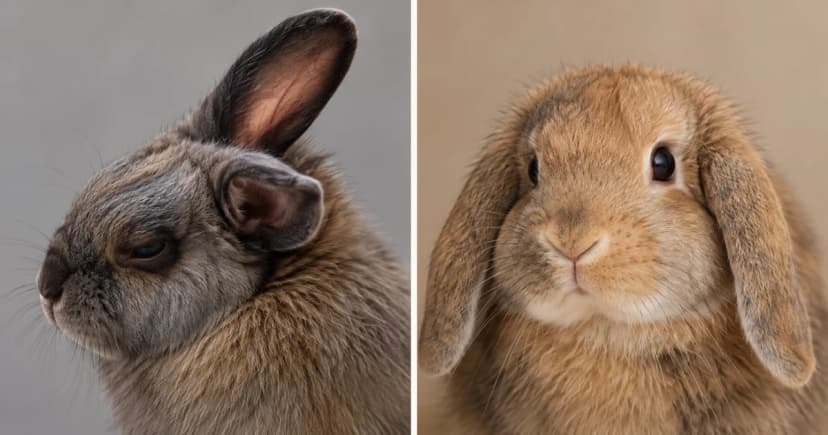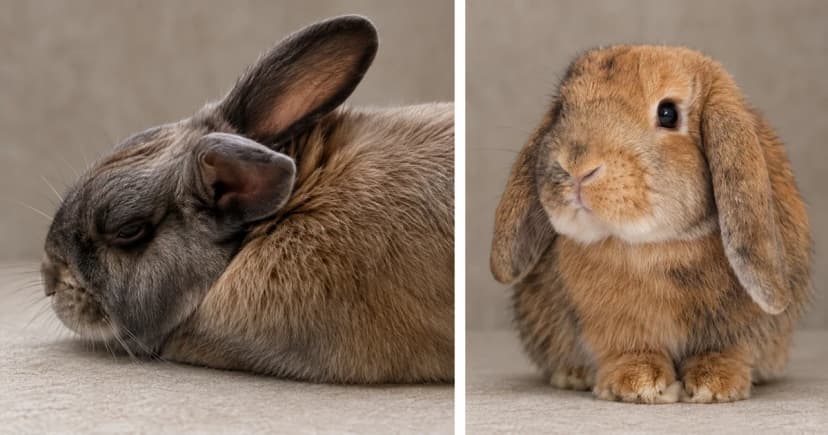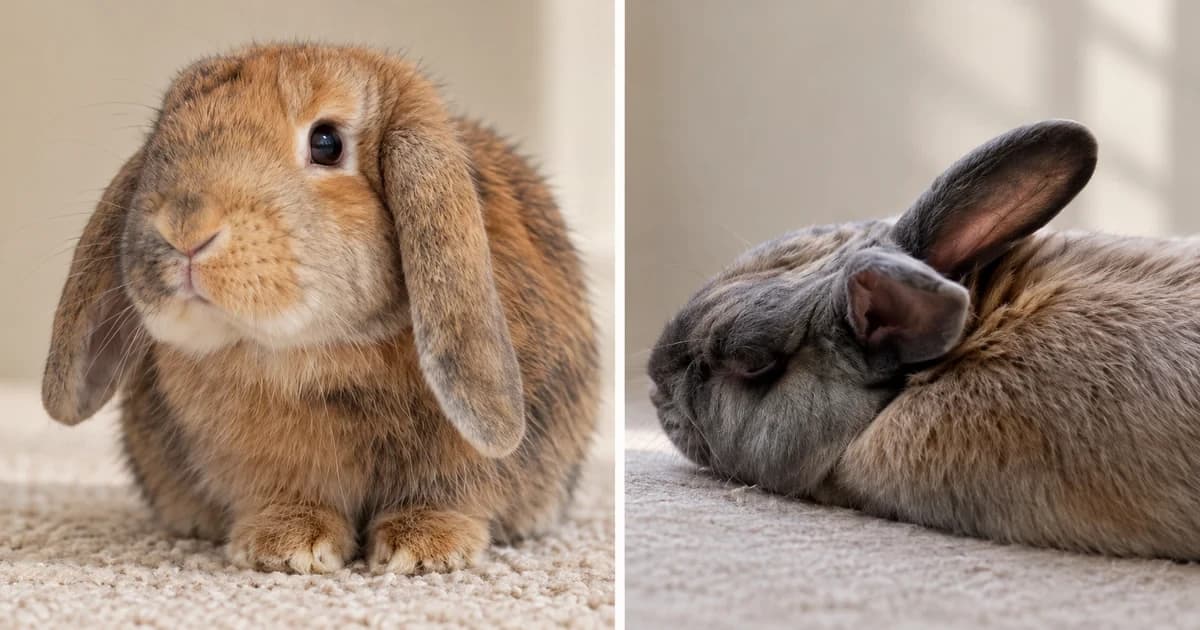
Knowing how to teach a rabbit to come when called starts indoors by pairing a gentle click sound with a valued treat, capturing voluntary arrivals to your side before gradually moving your spoken cue ahead of the movement, and distinguishing a head turn or an approach already underway from a true cued arrival.
Start with willing company
Practise ordinary approaches indoors, without chasing or holding your rabbit in position. Best Friends' training article emphasises that participation remains the rabbit's choice.
The RSPCA behaviour guide includes coming when called among introductory rabbit tasks. Its reward-based route adds a command after successful repetitions, rather than forcing a response.
Pair the marker first
The Rabbit.org clicker guide starts with a sound gentle enough not to startle, immediately followed by a valued treat. Establish that association before using the click to identify an action.
Name an established arrival
Apply the guide's natural-behaviour capture method to approaching you: wait for a voluntary arrival, click at that moment, then reward. Repeat willing arrivals before naming them.
Introduce one cue as the approach begins; later say it just before the movement. Once that pattern is reliable, request an arrival at another moment, rather than only when your rabbit is already coming. Mark and reward cued arrivals.
Looking toward you and reaching you are different observations. Record an arrival only when it happens. An approach already underway does not by itself demonstrate a learned cue.
| Recall Observation Option | Had the Rabbit Already Started Moving Before the Cue? | Did the Rabbit Actually Reach You? | How to Record & Respond |
|---|---|---|---|
| 1. Looked toward you only | No — stayed in place after turning its head or ears. | No arrival occurred. | Do not log as a recall arrival; wait calmly or end the attempt without repeating the cue or punishing. |
| 2. Already hopping toward you when called | Yes — approach was already underway before the word was spoken. | Yes — reached your side. | Click and reward arrival, but log as natural capture / cue-pairing stage rather than a learned standalone cue. |
| 3. Started moving after the cue and arrived | No — rabbit was stationary until hearing the spoken cue. | Yes — hopped over and reached you. | Click on arrival and deliver the treat (without picking the rabbit up) — log as a cued recall arrival. |
| 4. Walked away, hid, or ignored the cue | No approach toward handler. | No arrival; rabbit chose to disengage. | End the session immediately and leave hiding places open; seek veterinary advice if behaviour change or pain is suspected. |
Let the attempt end
Stop if your rabbit becomes tired, upset or distracted; keep practice brief and positive. End an unanswered attempt, too.
Do not punish an unanswered request. Changed behaviour or possible pain warrants veterinary advice, rather than assuming a training problem.
Arrival is not permission to pick up your rabbit. Necessary lifts belong to a separate handling plan. Our rabbit enrichment guide covers other voluntary activities.