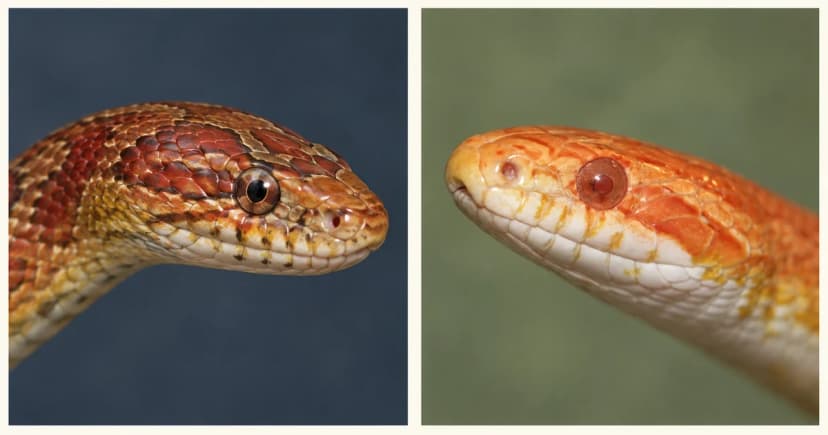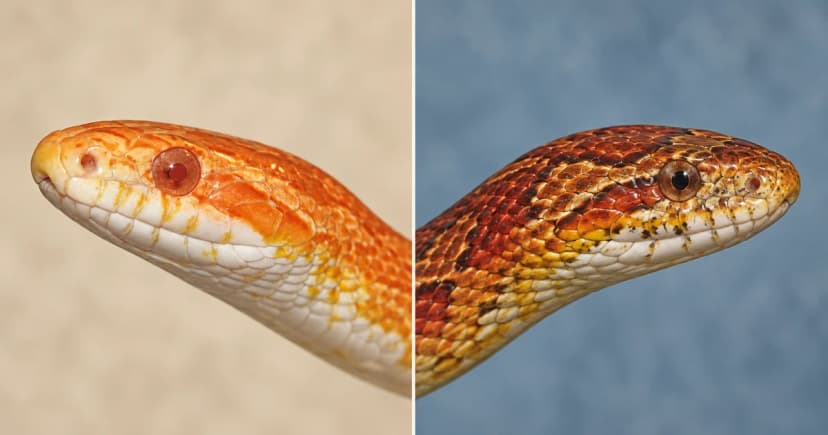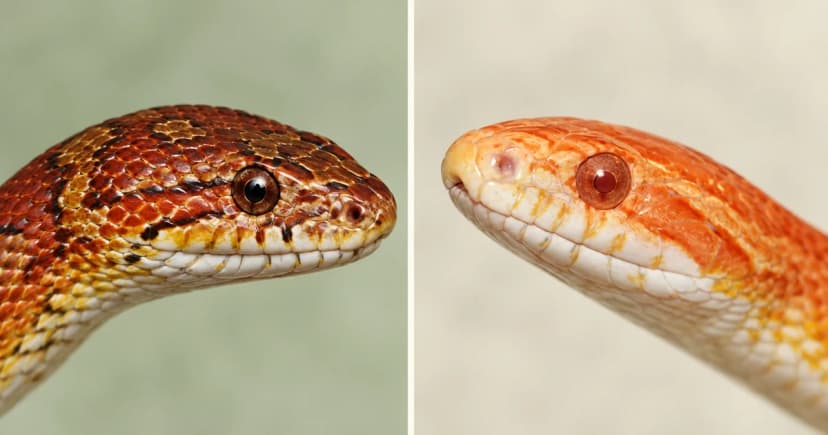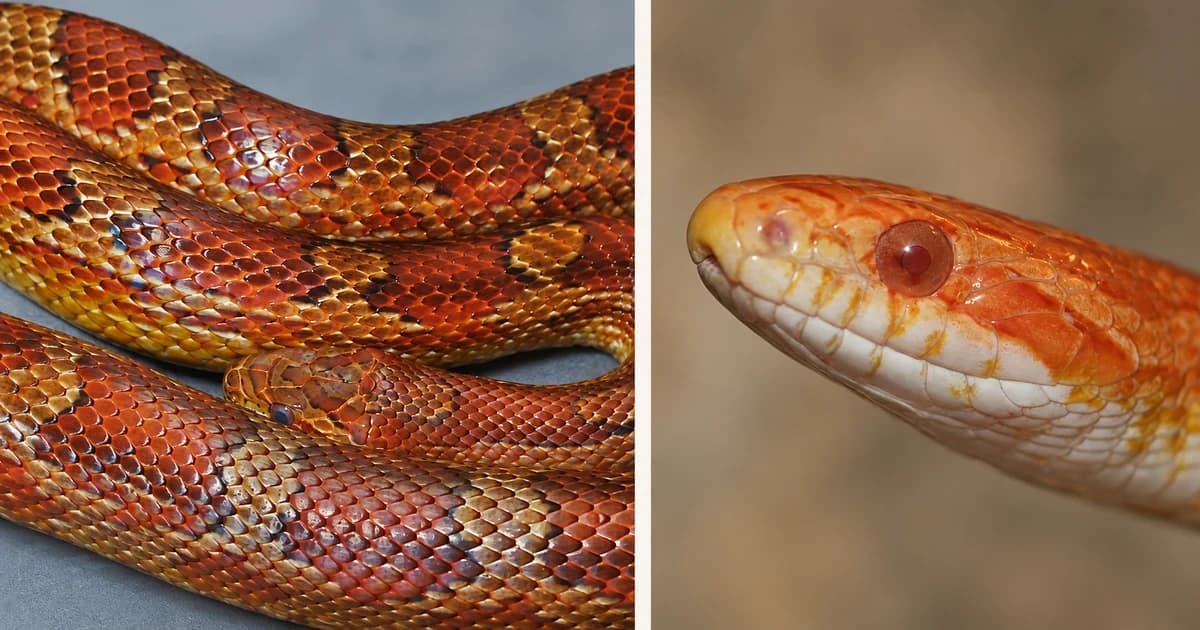
Knowing how to transport a corn snake safely requires three preparations before you lift the snake: secure, size-appropriate ventilated containment, transit temperature protection that avoids overheating or chilling, and a prepared destination vivarium or agreed handover.
Prepare containment by snake size
The RSPCA corn snake guide distinguishes between small juveniles and adult snakes so that containment matches body size while preserving airflow:
| Snake size | Inner containment & lining | Outer crush protection | Closure & ventilation check |
|---|---|---|---|
| Small corn snakes (such as hatchlings) | A secure, ventilated plastic container lined with soft, absorbent paper. | Rigid container walls protect the small snake from being squashed during transit. | Verify the lid locks firmly and air holes stay unobstructed by lining paper or bags. |
| Adult corn snakes | A breathable, tightly secured cloth reptile bag that holds the snake comfortably. | Place the tied cloth bag inside a well-ventilated, rigid plastic tub so the bag cannot be crushed or shift loose. | Check both the bag tie and the outer tub lid before loading; neither layer may seal off airflow. |
RSPCA Australia's reptile handling guidance requires secure, crush-resistant containment at all times. Never transport a corn snake loose on your body, around your neck, or uncontained inside a vehicle.
Check every closure before loading. In the adult setup, the cloth bag and the outer ventilated tub perform different roles—soft visual security inside and rigid crush protection outside—and neither is permission to block ventilation.
Plan the journey and temperature protection
The RSPCA advises avoiding temperature extremes and keeping transit as brief and direct as possible. Supplemental heat packs are conditional rather than automatic, and overheating must be prevented during the journey.
Resolve how you will protect the carrier from direct sun, cold draughts, or cabin temperature swings before departure. Review our handling guide before transferring the snake into its transport container.
Manage arrival and hygiene
For a first arrival home, the RSPCA recommends placing the transport carrier directly inside the prepared, heated vivarium, opening the container carefully so the snake can emerge at its own pace, and closing the vivarium securely.
At a veterinary clinic or other destination, agree on the room and handover procedure before opening the outer tub or cloth bag.
Keep the snake and all transport containers away from food preparation areas. The CDC reptile hygiene guidance advises washing hands thoroughly with soap and running water after handling either the snake or its carrier equipment.