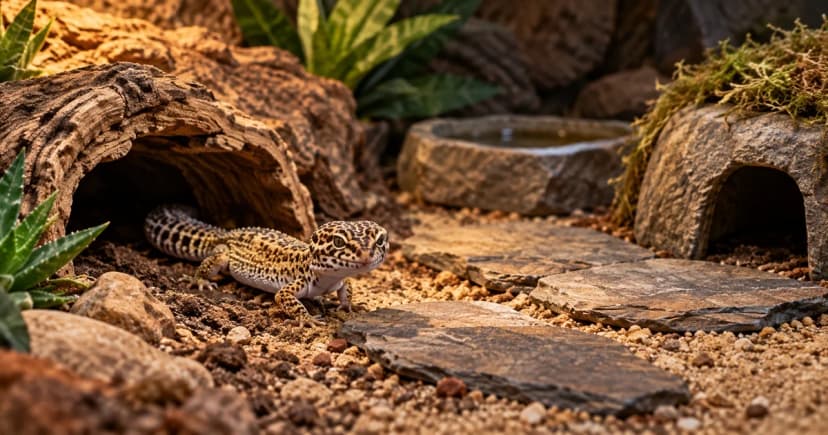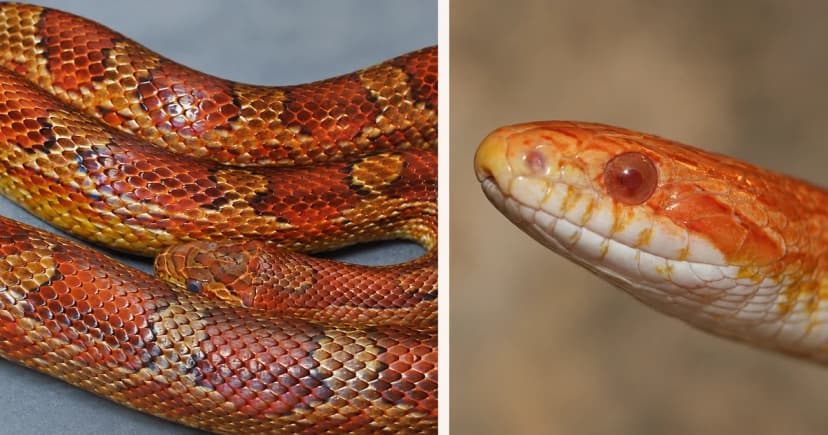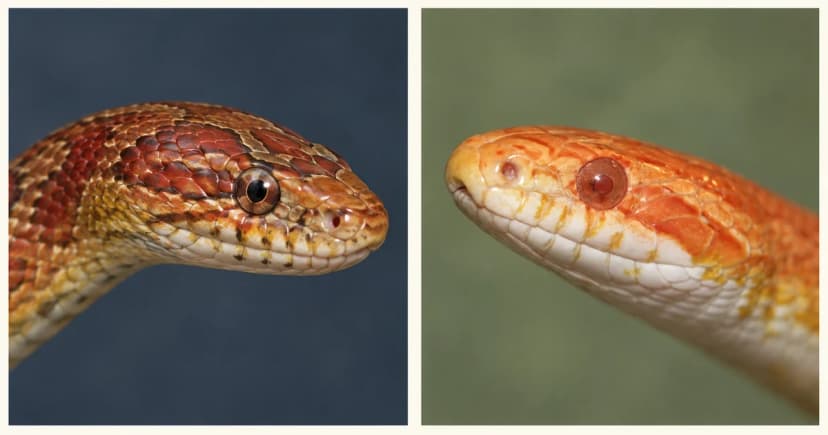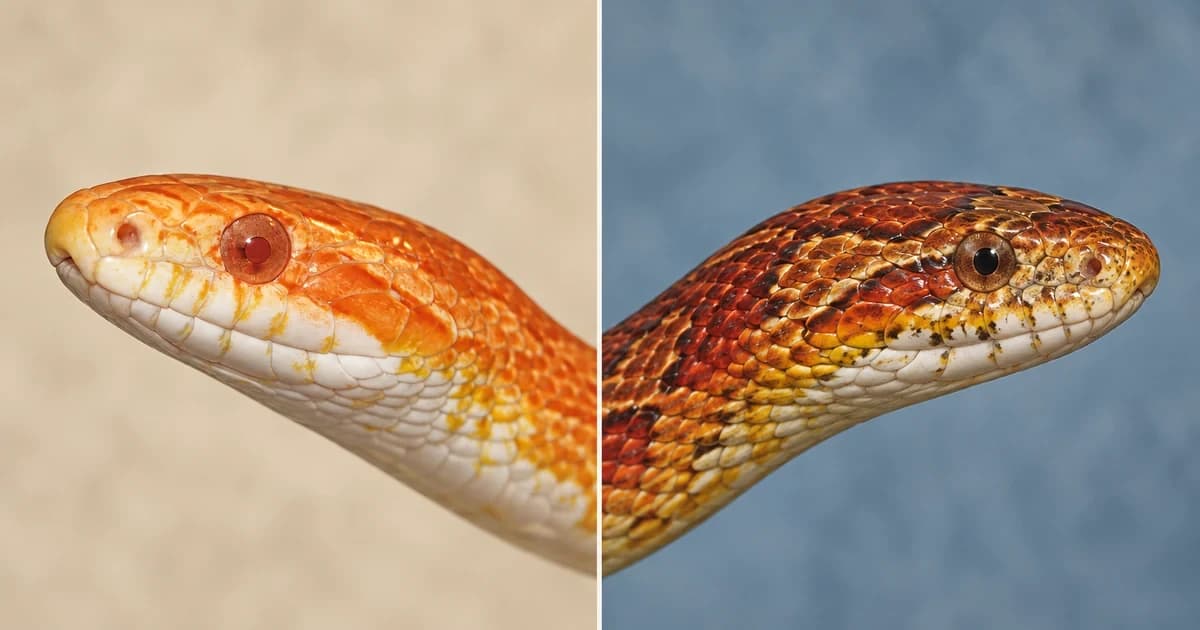
A complete corn snake vivarium setup for an adult Pantherophis guttatus combines an escape-resistant enclosure long enough for the snake to stretch out fully, a regulated warm-to-cool thermal and ultraviolet gradient, and hides in both temperature zones. Under RSPCA corn snake care guidance, heating, lighting and humidity should run and stabilize for at least seven days before the snake arrives so every measurement is verified at snake height.
1. Choose a room site and adult enclosure dimensions
RSPCA Australia’s reptile housing guidance recommends placing the enclosure in a quiet room away from cold drafts, direct window sunlight and household vibrations, with space planned for the snake’s full adult size.
In line with CDC reptile safety guidance, keep the vivarium and all cleaning or feeding equipment out of kitchens and areas where human food is prepared, stored or eaten.
The RSPCA UK guide specifies that a corn snake must be able to stretch its body completely straight inside the vivarium, with both width and height measuring at least one-third of the snake’s total length. Choose a solid, well-ventilated vivarium with secure, lockable sliding panels or latches.
2. Map the warm zone, middle zone and cool zone
Instead of distributing heat evenly, arrange hardware and furnishings from one warm end to an opposite cool end so the snake can thermoregulate without sacrificing cover:
- Substrate across the floor: Lay a reptile-safe soil and sand mixture deep enough for burrowing; the RSPCA advises against using plain sand alone.
- Warm end: Mount the primary overhead heat source and lamp guard at one end, place a snug warm-end hide underneath, and position the thermostat sensor and warm-end thermometer probe at snake height.
- Middle and climbing zone: Add sturdy climbing branches, a humid hide packed with dampened sphagnum moss to assist shedding, and a guarded UVB fluorescent tube positioned to create a photogradient toward shade.
- Cool end: Place a matching cool-end hide, a second thermometer probe at snake height, and a sturdy water bowl refreshed with clean water daily.
3. Set and measure thermal, humidity and UVB gradients
Connect heat sources to an appropriate thermostat and fit protective cages around every bulb or emitter so the snake cannot coil against hot surfaces. Use a 12-hour day and 12-hour night lighting cycle, and follow the lamp manufacturer’s distance and replacement schedule.
| Environmental Parameter | RSPCA Target Range | Where & How to Measure | Control & Morph Notes (RSPCA UK) |
|---|---|---|---|
| Basking / warm zone temperature | 28–30 °C | Digital thermometer & thermostat probe at snake height in the warm zone | Heat source placed at one end only and enclosed in a protective wire guard |
| Cool end temperature | 20–24 °C | Separate thermometer probe at snake height at the opposite cool end | Verify that the cool end does not overheat when the warm end reaches 28–30 °C |
| Nighttime temperature | 16–20 °C | Minimum/maximum or digital thermometer check across the enclosure overnight | Maintain a natural night drop within 16–20 °C on a 12-hour dark cycle |
| Relative humidity | 40–50% | Hygrometer in the main enclosure body alongside a separate moist-moss hide | Avoid stagnant wet bedding; keep the humid hide dampened for shedding choice |
| Ultraviolet index (UVI) | UVI 1.0 at basking; 0 in shade (max 0.7 for albino morphs) | Solarmeter / UVI meter held at animal height under the UVB tube and inside shaded hides | Amelanistic (albino) corn snakes require a lower maximum of UVI 0.7; follow lamp replacement intervals |
4. Run a 7-day pre-arrival test and log stability
Operate all heating, thermostat controls, UVB timers and hygrometers for at least one full week before bringing the corn snake home. Check morning, afternoon and overnight readings at snake height, confirm that every door lock and cable port is gap-free, and verify that both warm and cool hides stay within their target ranges. Once the enclosure is stable and your snake has settled in, follow our adult corn snake feeding guide to plan thawed-prey preparation, tong presentation and the 48-hour post-meal rest period.