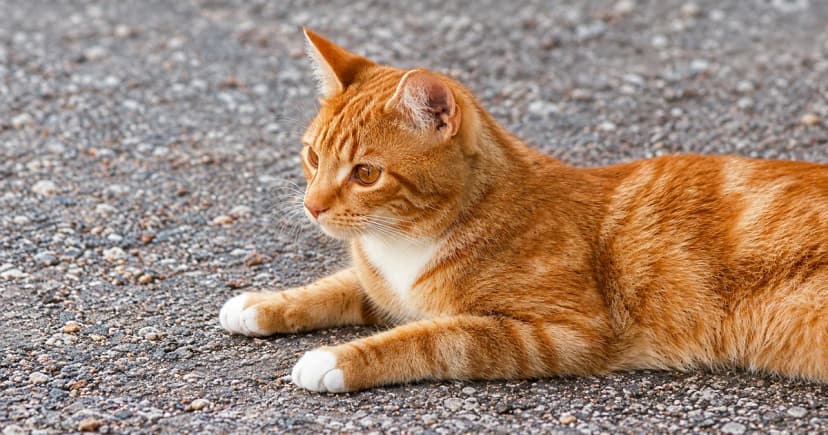
Cats sometimes grip a toy with their front paws and kick it repeatedly with their back feet. This movement is often called a bunny kick. During toy play, it can be part of holding and wrestling a prey-like target. The same movement aimed at your arm during petting needs a different response: stop the interaction and give the cat space.
The action alone does not tell you exactly how a cat feels. Look at what happened before the kicking, what the cat is holding and whether the cat can disengage. A toy is a possible play outlet; your hands and feet should not become the target.
What a bunny kick looks like
The defining combination is a front-paw grip followed by repeated hind-leg kicks. A cat may also bite or wrestle the object. This is different from batting a ball away with one paw, or pressing the front paws alternately into a blanket.
In PetMD's explanation of bunny kicking, certified cat behaviorist Cristy Brusoe describes play, hunting-related behavior and defense as possible contexts. That range matters: a similar-looking movement can occur while a cat plays with a toy or tries to end unwanted contact. It does not establish a single motive for every kick.
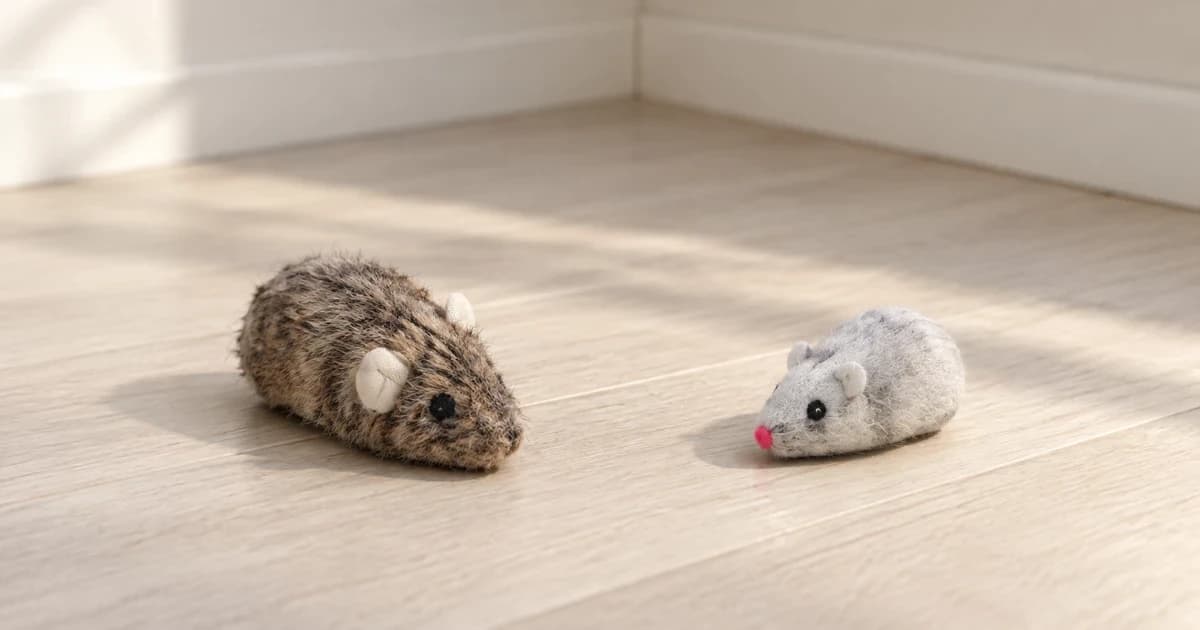
When you describe the behavior, start with observable details: “held the mouse toy and kicked it” is more useful than “was angry.” If your cat kicks when you touch a particular area, record that context instead of testing it again to see whether the reaction repeats.
Separate the toy game from unwanted touch
| What you notice | How to respond |
|---|---|
| The cat grasps and kicks a toy during an otherwise comfortable game. | Keep your body out of the target area and let the cat release or leave the toy. |
| Kicking starts when you stroke or touch the cat. | Stop that contact; do not keep touching to encourage another round. |
| The cat becomes stiff, hisses or pins the ears back. | End the interaction and allow distance instead of treating the signs as an invitation. |
| The cat works at a seam, loose attachment or exposed stuffing. | Prevent access to the damaged toy and replace it. |
| An adult cat suddenly starts directing unfamiliar rough behavior at people. | Discuss the change with your veterinarian rather than assuming a new toy will resolve it. |
A belly-up position is not a reason to continue belly rubbing when the cat objects. Nor should you punish kicking. Stop the contact that prompted it and consider a separate toy opportunity when the cat is comfortable, rather than putting a replacement object against the cat's body.
Give the cat something appropriate to hold
Cats Protection's play guidance specifically suggests a larger kicker toy for cats that enjoy bunny kicking. A graspable soft target offers a different opportunity from a rolling ball or a small moving lure. Individual preferences still vary; a cat may prefer chasing, batting or no game at that moment.
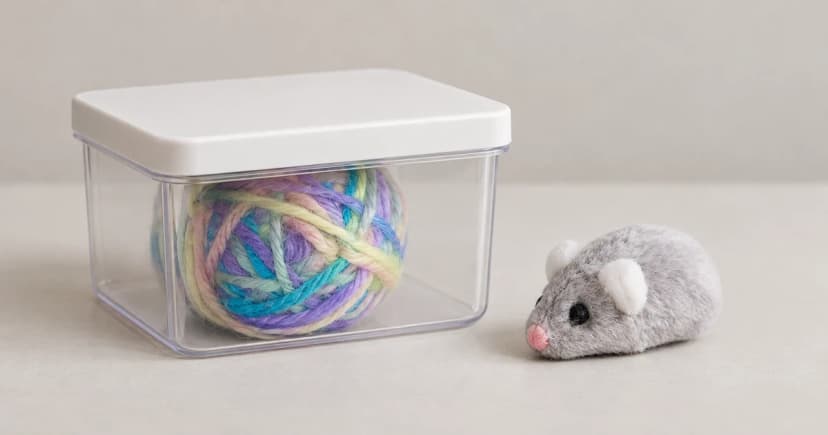
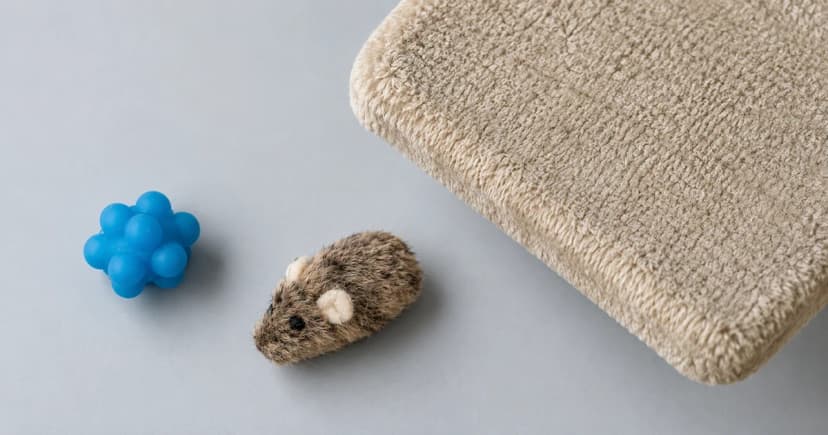
If you compare plush mice and kicker toys, consider how the cat actually holds the object. Check the item's construction, instructions and condition before offering it. A category name, catnip filling or elongated shape does not prove that every toy is suitable for every cat.
A useful inspection covers seams, exposed filling, loose eyes or decorative pieces, and trailing material the cat could chew. Recheck after a vigorous session. Cats Protection advises checking toys for wear and avoiding unattended access to items that can be shredded, eaten or cause entanglement.
You do not need to make a cat kick, hold the cat in position or put your hand inside a toy to demonstrate it. Offer the object where the cat can approach it voluntarily. If the cat walks away, leave the choice open rather than repeatedly pushing the toy closer.
Keep people outside the play target
Battersea's Feline Behaviour Team advises against using hands and feet in play and recommends toys that can be operated at a distance. It also cautions against touching or handling an excited cat during play, when bites or scratches may be more likely.
For a cat that prefers a moving target, wand and teaser toys can let you operate the toy away from your body. Keep the line and attachments intact, supervise the game and put toys with entangling material away afterward. A wand is an alternative activity, not a promise that kicking at a person will stop.
Compare other cat toys and enrichment according to the actions your cat chooses. One object need not satisfy chasing, holding, kicking and solo play. Observe the cat's response rather than interpreting a lack of interest as a reason to intensify contact.
When a change deserves professional advice
Cats Protection recommends a veterinary check when an adult cat suddenly develops play aggression, followed by qualified behavior advice when appropriate. A new or increasing reaction during touch should be described to your vet with its context; a kicking motion cannot distinguish discomfort from a play response on its own.
Note what happened immediately beforehand, whether the target was a toy or a person, and any accompanying changes you noticed. Do not repeat an unwanted interaction to produce evidence. The practical aim is to offer a suitable play target while respecting the cat's choice to end contact.