Dogs can spend a large part of the day asleep or resting, and their needs vary with age, health and daily routine. The useful question is whether your dog is following their usual pattern or has become less energetic than normal. A long nap alone cannot tell you which is happening. A dog who seems unusually sluggish, moves slowly or loses interest in familiar activities needs veterinary advice.
Resting is not always sleeping
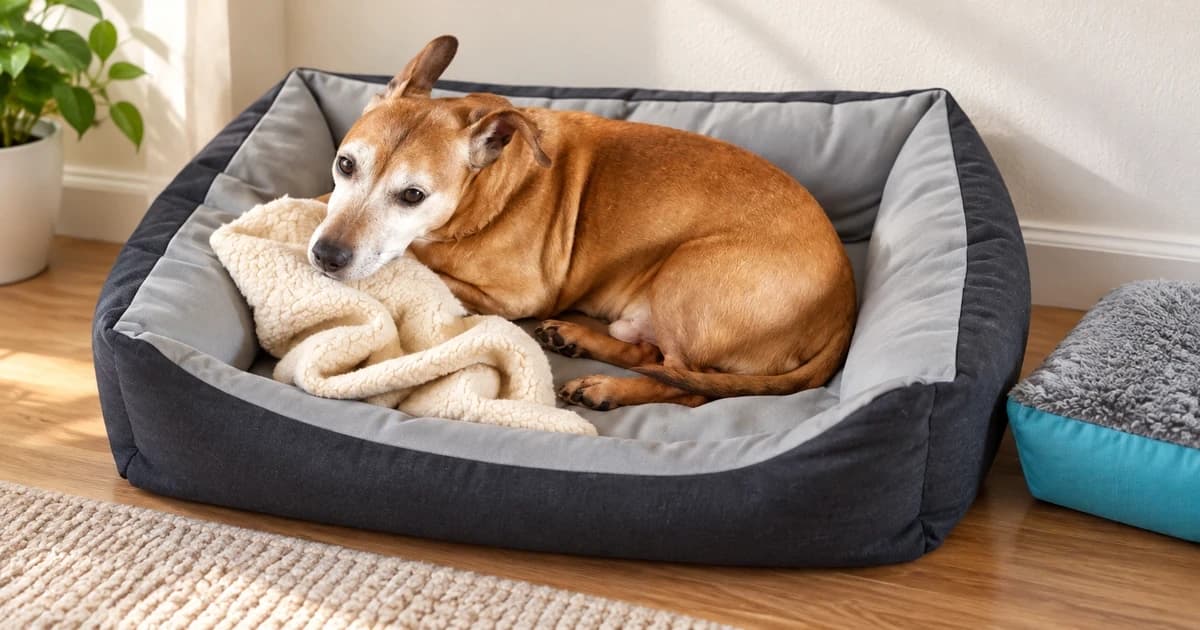
A dog lying on a bed may be awake, watching the room or dozing between activities. The American Kennel Club's sleep guide separates time spent asleep from time spent awake but relaxing, and emphasizes that age, health and the individual dog affect sleep needs. Counting every hour on the sofa as an hour asleep can therefore give a misleading picture.
You do not need to keep waking your dog to establish a perfect total. Notice when they choose to rest, whether household noise repeatedly interrupts them, and how they behave during their usual waking activities. These observations are more useful than comparing your dog with someone else's unusually energetic pet.
Why some dogs need more rest
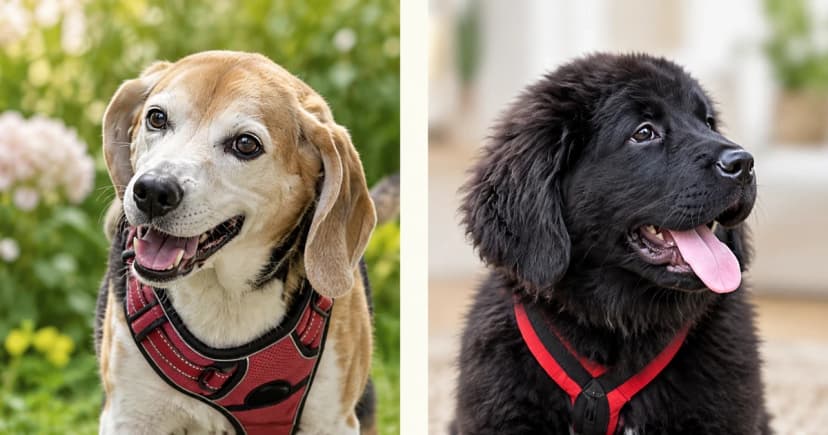
Puppies, older dogs and dogs recovering from illness or injury may need more sleep. PDSA's sleep advice describes 14–16 hours or more in a day as a general guide for many dogs, while acknowledging individual variation. That is context, rather than a minimum to force or a maximum above which every dog is ill.
Age is also not a reason to dismiss a new change. If your older dog has always taken several naps but now seems reluctant to do things they normally enjoy, tell your vet about the difference. If a recovering dog has a prescribed activity plan, follow the treating vet's instructions instead of adding exercise to make them tired.
Compare with your dog's own baseline
A simple note can help you describe what changed. Record what you actually saw rather than trying to name a disease or an emotion:
- Timing: When did the change begin? Is it constant, occasional or associated with a change in routine?
- Waking behavior: Is your dog moving and joining their normal activities as usual, or moving more slowly and showing less interest?
- Other observations: Have you also noticed changes in eating, drinking, toileting or apparent discomfort? Describe these separately.
- Recent events: Note illness, recovery, disrupted rest and any prescribed medicines. Give the vet the medicine's name and timing rather than changing it yourself.
This is a way to organize a conversation, not a home screening test. A dog who still enjoys one activity can nevertheless have a problem. Nor does an estimated sleep total rule out illness. If your dog already seems unwell or unlike themselves, contact your vet rather than delaying advice to finish a sleep diary.
Keep a quiet place available
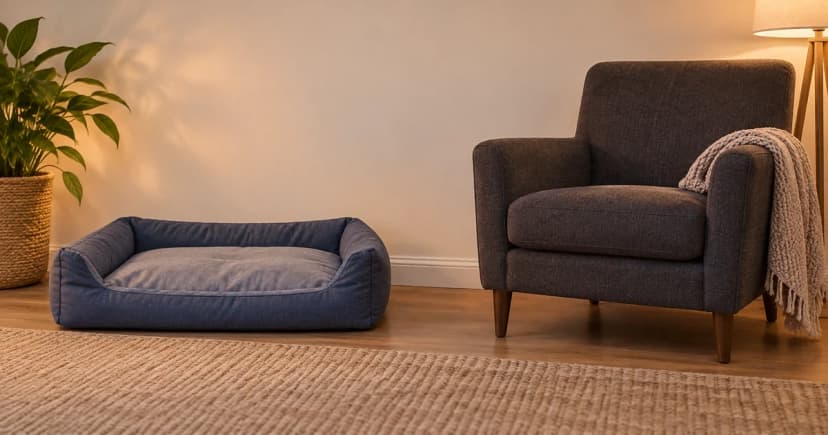
Dogs Trust recommends clean, dry bedding and a quiet place where a dog can retreat without disturbance. Check whether the resting spot is beside a noisy appliance, a busy doorway or the main route through the room. Give the dog room to leave and choose another resting place.
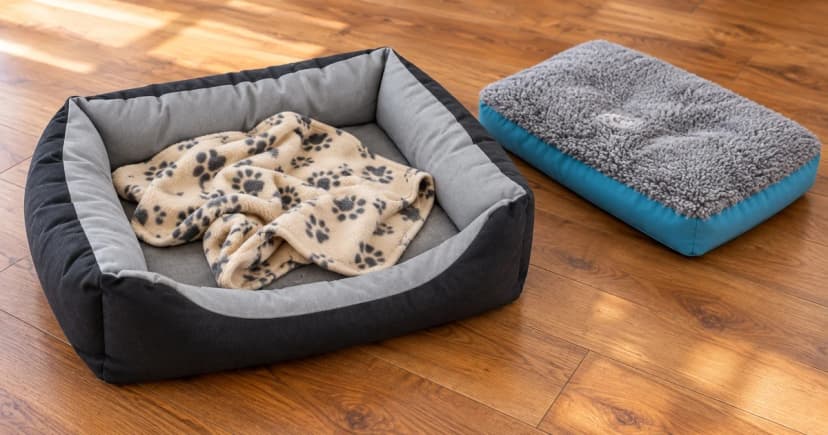
A bed can provide that space without promising better health or a particular number of hours asleep. If you are comparing dog beds, consider the space available and the manufacturer's actual dimensions and cleaning instructions. A category label or a padded appearance does not establish orthopedic benefit, fit or suitability for an individual medical condition.
If the separate difficulty is encouraging your dog to use a resting spot, see our guide to helping your dog use a bed. Bed training and assessing a change in energy are different tasks; completing the training does not explain why a dog has become unusually tired.
When extra sleeping needs a vet's attention
PDSA describes lethargy as low energy that can have many causes. Dogs may sleep more, move slowly and lose interest in play or walks. Its guidance is to contact a vet when a dog seems low in energy or not quite themselves, and not to force a lethargic dog to walk or play.
You cannot identify the cause from a bed choice, sleeping position or photo. Keep ordinary rest opportunities available, describe the change clearly and let your vet assess health concerns. Buying a new bed or trying to tire your dog out is not a substitute for that assessment.