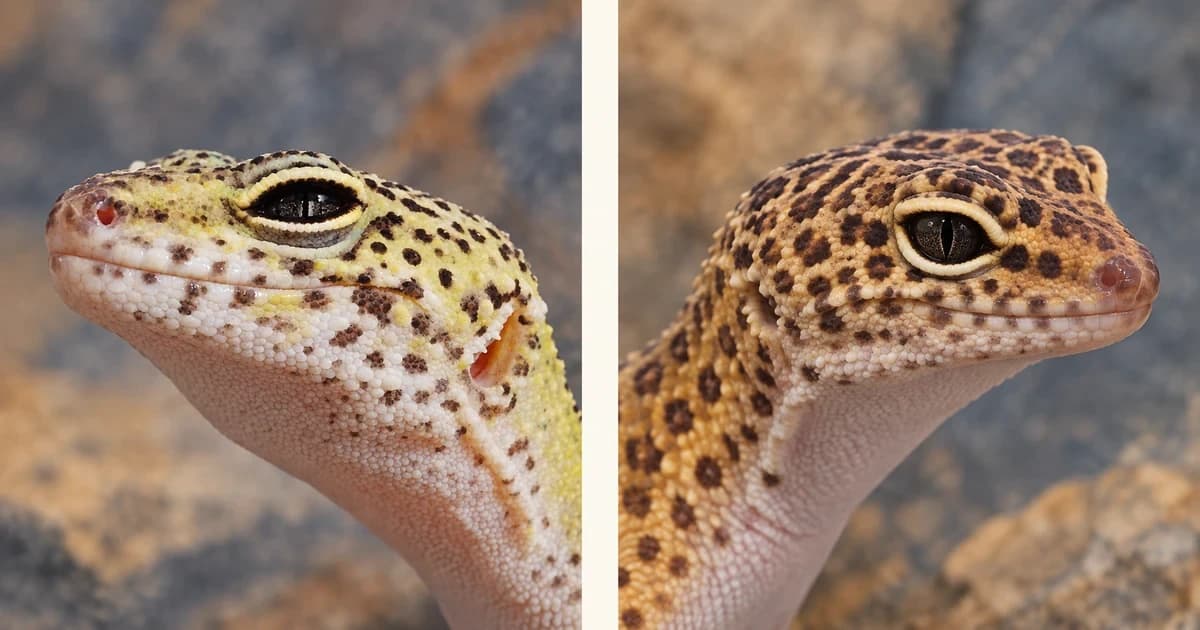
This adult leopard gecko feeding guide covers healthy, mature leopard geckos (Eublepharis macularius): prepare appropriately sized live insects 24 to 48 hours in advance, apply calcium and vitamin supplements according to the product label immediately before feeding, and remove uneaten insects after each session. In the RSPCA leopard gecko care guide, a typical adult example is offering varied live invertebrates—such as crickets, locusts and calciworms—no larger than the gecko’s head every other day. Juveniles, breeding females, geckos in shed, or animals showing weight loss or tail thinning have different nutritional requirements and should follow an individualized plan with a reptile veterinarian.
1. Match the feeding schedule to an adult leopard gecko
RSPCA Australia’s reptile feeding overview emphasizes that reptile diets depend on species, body size and maturity. Never borrow an omnivorous lizard’s menu for an insectivorous leopard gecko, and do not apply an adult every-other-day schedule to growing hatchlings.
Under the RSPCA UK guide, each live insect should be no longer or wider than the width of the gecko’s head. Rotating insect species—such as crickets, locusts and calciworms—provides dietary variety while you track the gecko’s body weight and tail condition regularly.
2. Gut-load and dust feeder insects before opening the enclosure
Feeder insects require their own care before they are offered. As outlined in the RSPCA care guidance, keep livefood well hydrated and gut-load the insects with an appropriate formulated diet for 24 to 48 hours prior to feeding time.
Immediately before placing the insects into the enclosure, lightly coat them with calcium and vitamin supplements according to the specific brand’s label instructions, and maintain a separate small dish of plain calcium powder inside the habitat. Because commercial calcium, vitamin D3 and multivitamin powders vary in concentration and UVB compatibility, rely on the exact supplement label and your reptile veterinarian’s schedule rather than mixing unverified home ratios.
3. Offer livefood, clear uneaten insects and sanitize
Place the prepared insects into the vivarium and monitor the meal. Remove any uneaten live insects promptly at the end of the session, because free-roaming crickets and locusts can stress or bite a resting gecko. Keep a shallow bowl of fresh water at the cool end of the enclosure, cleaning and refilling it at least once daily and whenever soiled.
Follow CDC reptile hygiene rules by keeping feeder insects, dusting tubs, bowls and enclosures out of kitchens and human dining areas, and washing your hands with soap and running water after every feeding or cleanup.
Pre- and post-feeding checklist and scope summary
| Stage | Action & Condition | Source Basis | When to Pause & Consult a Reptile Vet |
|---|---|---|---|
| 24–48 hours before meal | Hydrate feeder insects and gut-load with an appropriate formulated diet away from kitchen surfaces | RSPCA UK leopard gecko guide; CDC hygiene guidance | Feeder insects appear dead, moldy or stored in unsanitary tubs (discard batch) |
| Immediately before meal | Select varied live invertebrates no larger than the gecko’s head; lightly dust per product label; check plain calcium dish | RSPCA UK leopard gecko guide | Juvenile growth stage, egg-laying, metabolic concerns or uncertain D3/UVB pairing |
| During & after feeding | Offer on an adult every-other-day example schedule; remove all uneaten insects; refresh cool-end water dish | RSPCA UK & RSPCA Australia | Repeated food refusal, regurgitated insects, progressive weight loss or thinning tail |
| Sanitation & records | Wash hands with soap and running water; log date, insect types eaten, dusting used and regular gram weight | CDC reptile hygiene guidance; RSPCA UK | Abnormal droppings, lethargy or difficulty striking prey |