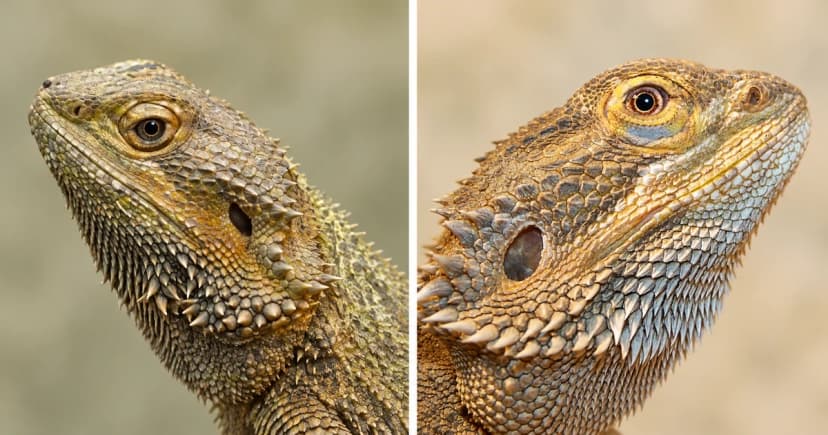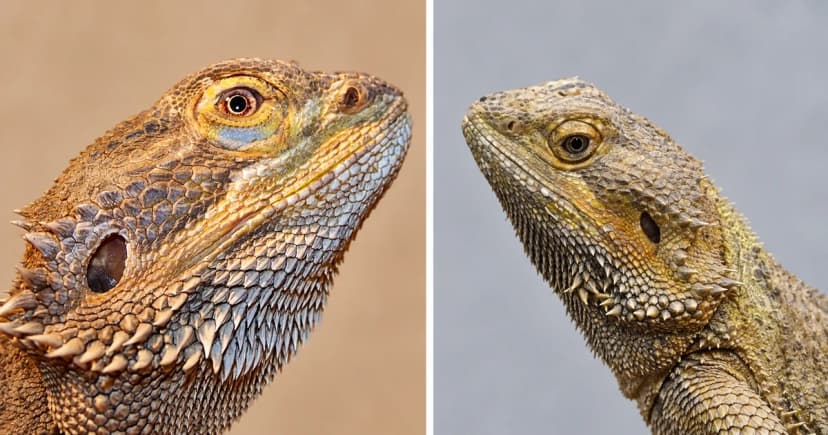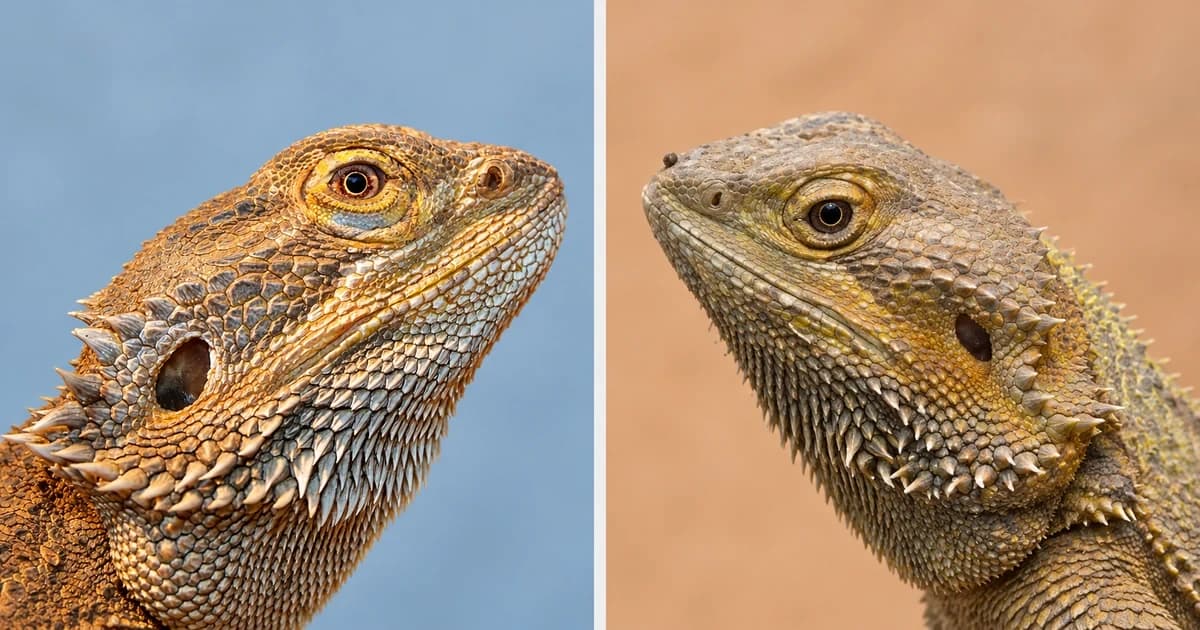
When planning how to feed an adult bearded dragon (Pogona vitticeps), agree on plant and insect portions, feeding frequency, and the specific vitamin and mineral supplement types and schedule with a reptile vet first. SPCA New Zealand stresses that age changes dietary needs, so an adult feeding routine must combine a confirmed individual nutrition plan with safe meal preparation and leftover removal.
| Feeding stage | What to confirm or carry out for an adult bearded dragon | Key boundary |
|---|---|---|
| Individual vet plan | Record vet-confirmed plant and insect portions, meal frequency, and the exact vitamin/mineral products and dusting schedule. | Age and health change nutritional needs; package labels do not establish an individual schedule. |
| Plant and insect preparation | Wash varied greens such as watercress, rocket and grated butternut squash; gut-load and hydrate feeder insects 24–48 hours ahead. | Exclude wild-caught insects, pesticide-treated plants, and any item larger than the space between the dragon's eyes. |
| Serving the planned meal | Feed in the morning so digestion occurs during the warm daytime period, applying only the vet-planned supplement to livefood in a shallow dish. | Keep the dish away from loose substrate; product directions govern handling, not overall dietary balance. |
| Clearing and water care | Remove uneaten live insects after the meal, replace uneaten greens daily, and refresh shallow cool-end water at least daily. | Free-roaming feeder insects can bite the dragon, and soiled water must be replaced immediately. |
Prepare plants and insects
The RSPCA care sheet lists varied greens such as watercress, rocket and grated butternut squash. Keep feeder insects fed and hydrated; its method includes an appropriate gut-loading diet 24-48 hours before feeding them.
SPCA New Zealand excludes wild-caught insects and pesticide-treated plants. Its size check rejects food larger than the space between the dragon's eyes.
Offer the planned meal
RSPCA Australia recommends morning feeding, allowing digestion during the warm part of the day.
Lightly dust livefood with the vitamin or mineral supplement already agreed in your reptile vet's individual plan before feeding; follow the manufacturer's label directions for applying that product, rather than using a label to decide which supplements or frequencies your adult dragon needs.
Use a shallow feeding dish away from loose substrate, following SPCA New Zealand's feeding precaution.
Clear and replenish
Remove uneaten live insects; some can bite the dragon. Replace uneaten greens daily. Keep shallow fresh water available at the cool end; replace it at least daily and whenever soiled.
These steps organise meal preparation and cleanup around an individual veterinary schedule, not a universal plant-to-insect percentage or one-size-fits-all supplement dose. Keep the separate vivarium conditions in place alongside the feeding routine.