Distilled water is one possible taste option for cats. Choosing it requires separating household water treatment, individual preference and veterinary concerns.
Check the source
The CDC recommends testing tap water for harmful germs or chemicals and choosing treatment for the identified problem. If those hazards are absent, treatment may be unnecessary.
“Filtered” covers different processes: check the exact system’s removal claims. Distillation boils water and collects it as it cools, removing many contaminants. Some volatile compounds can remain, and bacteria can grow on idle cooling coils. These household-treatment facts do not establish a medical water choice for your cat.
Compare taste options
Can cats drink distilled water? Thunder Bay Veterinary Hospital lists it among options to try when cats dislike tap-water taste, alongside refrigerated tap, Brita and bottled water. This is an individual preference suggestion, not evidence that distilled water is essential or superior.
Try an alternative for acceptance rather than assuming its name promises a health benefit. This advice does not establish long-term clinical safety, mineral deficiency, urinary effects or disease prevention. Health-related water changes belong in a discussion with your veterinary team.
Keep fresh access
Keep fresh water available.
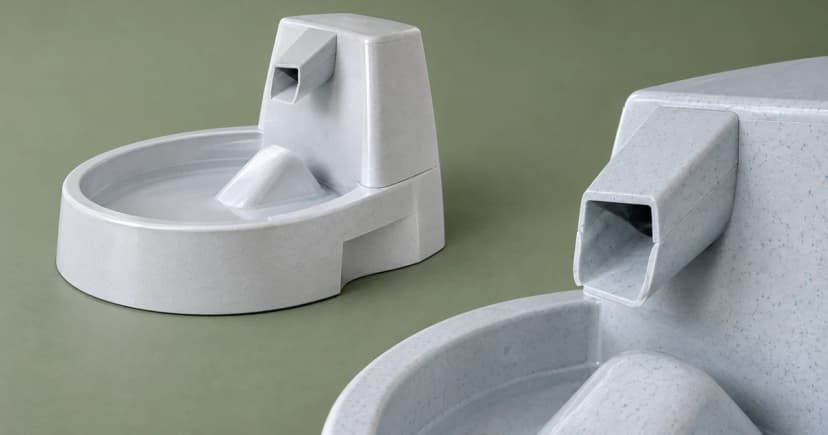
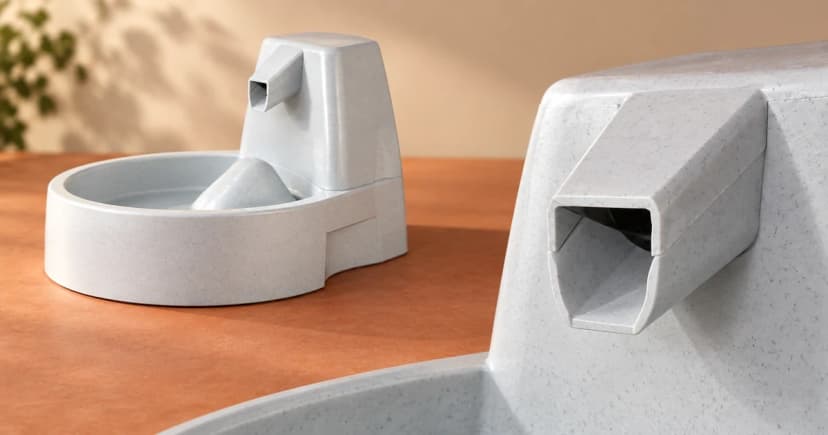
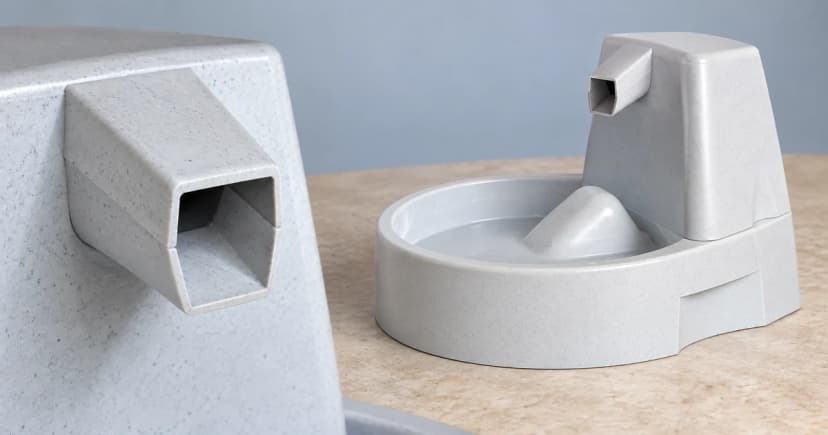
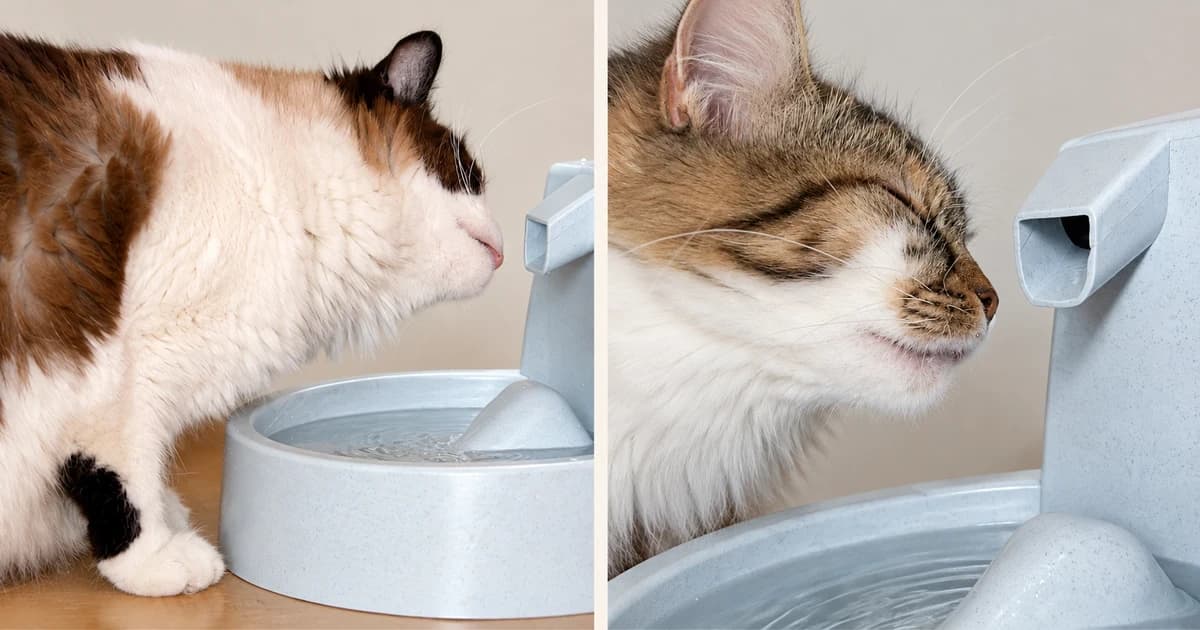
Cornell’s hydration guidance emphasizes accessible water without other pets blocking the way. Fountain preferences vary; choosing a water type does not settle bowl versus fountain preference. If you worry your cat is dehydrated, contact a veterinarian promptly rather than relying on a water switch.
Finish the choice
Keep those questions with your next veterinary discussion.
Then follow the model-specific refill guide; explore running-water preference separately.