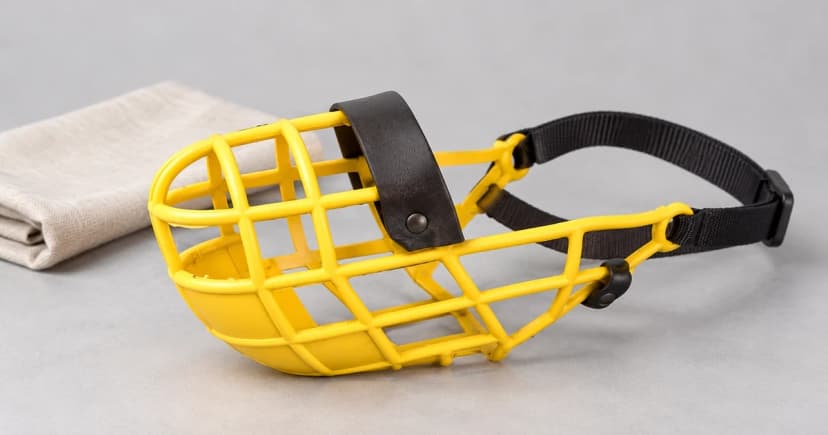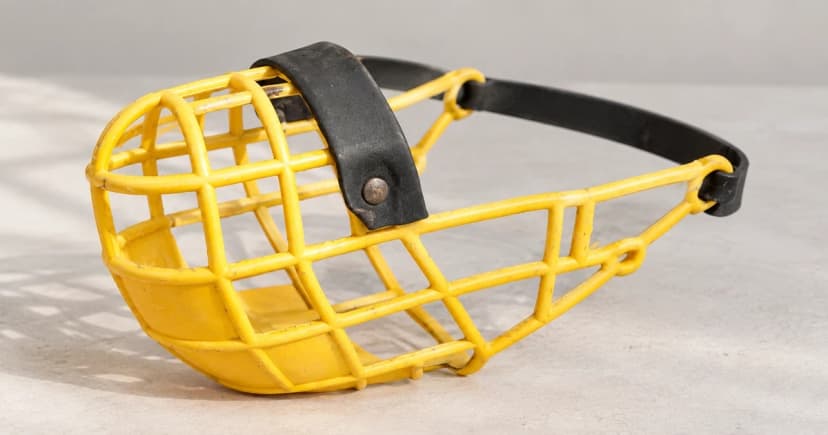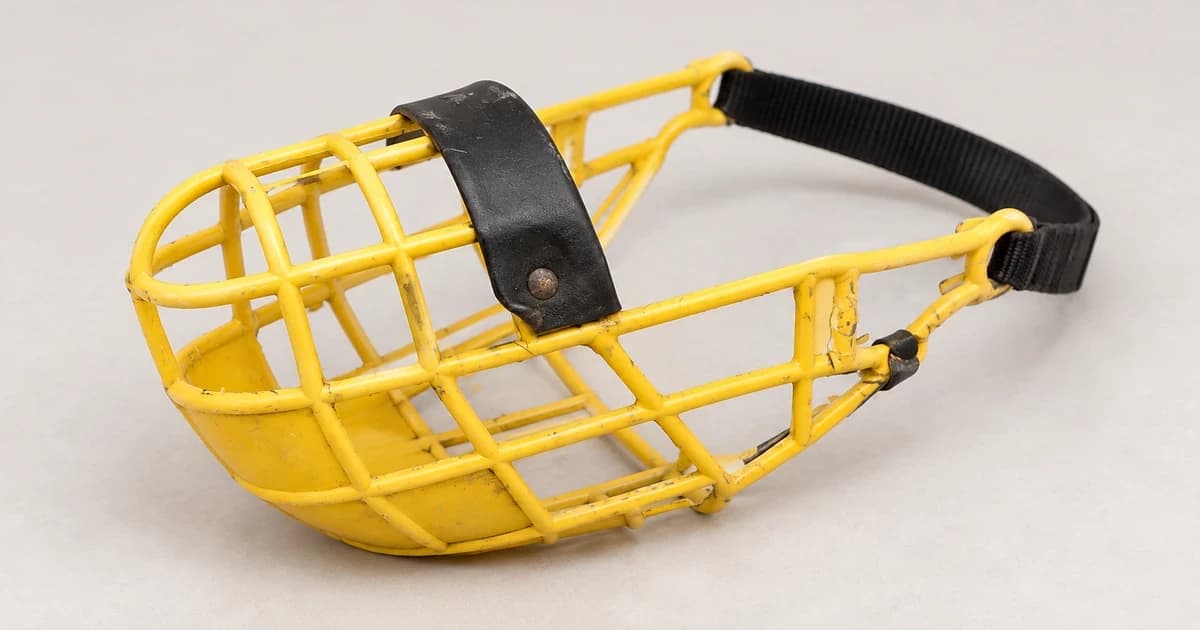
Learning how to train a dog to wear a basket muzzle starts with making a properly fitted basket muzzle predict rewards and building voluntary participation before fastening a single strap. Begin with an unfastened, suitable basket muzzle for dogs that allows panting, drinking, and taking treats, let your dog approach and withdraw freely, and add strap handling and brief wear only after earlier steps feel comfortable.
When deciding how to train a dog to wear a muzzle at a safe pace, the useful question is not how many days have passed, but whether your dog chooses to take part without worry. Training and equipment suitability require separate checks: a dog accepting a muzzle does not prove that it fits properly or that it will prevent every bite.
Prepare the basket muzzle and the training setting
This guide applies specifically to a properly selected basket muzzle that permits the individual dog to pant, drink, and receive food rewards through the front openings. A fabric muzzle that holds the mouth closed operates on a different mechanism and restricts panting; do not substitute a closed-mouth fabric sleeve for this basket-training routine. Blue Cross explains the basket design and panting distinction.
Review the published sizing, fit, and fastening manual for your specific model. No single universal strap route or finger-width rule covers every design, and rubbing or contact near the eyes calls for a fit check rather than extra training repetitions. Our basket-muzzle category provides an equipment starting point, though a product photo or category label does not confirm individual fit for your dog.
Practise in a quiet, familiar room while your dog is relaxed, using rewards that already suit their diet. If food guarding makes hand-feeding treats unsafe, or if touching the face or head causes distress, arrange qualified professional help before starting this food-based routine. Those safety boundaries are highlighted in Dogs Trust's training guidance.
Follow the five-stage basket muzzle progression
| Stage | Practice setup | Observation to continue or step back |
|---|---|---|
| 1. Looking and approaching | Present the basket muzzle at a comfortable distance or resting on the floor; reward noticing or approaching while allowing withdrawal. | Advance when your dog approaches willingly with relaxed body posture; step back if they freeze or retreat. |
| 2. Open-strap nose entry | Hold the muzzle steady with straps open and offer treats at the rim, gradually moving rewards deeper inside the basket. | Advance when your dog places their nose in and out smoothly; return to rim rewards if they hesitate to reach inside. |
| 3. Unfastened strap handling | Reward short nose holds, then touch or lift the straps beside the neck without buckling them together. | Advance when strap movement around the head causes no flinching or backing out; keep practising open entry if straps worry them. |
| 4. Brief fastening | Fasten the strap calmly, deliver a reward through the basket immediately, and unfasten before your dog tries to paw it off. | Advance when brief buckling stays calm; unfasten sooner and revisit strap handling if they paw or duck away. |
| 5. Comfortable wear and movement | Gradually extend fastened time for a few seconds at a time and pair wear with easy, enjoyable indoor cues or short walks. | Maintain periodic easy sessions so the basket muzzle does not only appear right before stressful events. |
Start with looking and approaching
Show the basket muzzle at a comfortable distance and reward your dog for noticing it. Keep the interaction brief and allow them to move away at any point. If holding the equipment in your hand worries them, place rewards near the resting muzzle rather than moving it toward their face. The first useful milestone is a dog willing to approach, not a basket pushed over the nose.
Dogs Trust keeps choice central to the introduction. In your session notes, record what your dog actually does—approaches, lingers nearby, or backs away—and progress from that observed response rather than advancing on a fixed calendar.
Reward voluntary nose placement, with straps open
Hold the basket steady and offer a suitable reward at the entrance so your dog reaches forward on their own. Move the reward farther inside gradually as comfort builds, keeping the straps open so your dog can withdraw at will. Blue Cross emphasizes inviting the dog toward the muzzle rather than sliding the muzzle onto the dog.
Once entry is familiar, present the empty basket and deliver the reward through the front openings after your dog places their nose inside. If they choose not to enter, return to the easier reward-at-the-entrance step. Cornell's basket-muzzle guide separates comfort with nose entry from comfort with the rear strap, so willing entry alone is not a cue to fasten the buckle immediately.
Add duration and strap handling separately
Reward short periods of comfortable nose placement before asking for longer holds. Next, introduce the sensation of the straps moving near the ears and neck without fastening them. Treat strap handling as its own small exercise rather than combining entry, duration, and buckling all at once.
Battersea's sequence practises unfastened strap contact before brief fastening. When your dog stays relaxed during strap handling, fasten the buckle calmly, reward promptly through the basket, and remove it before tension builds. If they panic or paw at the frame, return to an earlier stage instead of extending wear time.
Build comfortable wear and movement
After brief fastening feels routine, lengthen wear gradually and pair the muzzle with simple activities your dog already enjoys. Keep rewarding participation so the basket muzzle is not reserved solely for veterinary visits or difficult triggers.
Supervise your dog throughout every practice session. Cornell advises against leaving a muzzled dog unattended and recommends qualified behavioural support when there is a history of biting or handling sensitivity. Muzzle training does not replace management or justify placing a dog into overwhelming situations.
Use your observations to choose the next session
| What you observe | What to do next |
|---|---|
| Voluntary entry, but uncertainty around straps | Keep working on the separate handling step; do not treat entry as readiness for longer wear. |
| Backing away, panic or repeated attempts to remove it | Return to a comfortable earlier stage and reconsider whether the task advanced too quickly. |
| Rubbing, sore skin or difficulty behaving normally | Reassess equipment suitability with professional advice before adding practice. |
Dogs Trust distinguishes wearing a muzzle comfortably from changing how a dog feels about a frightening situation. Keep that distinction in your plan. If your dog requires urgent clinical handling before gradual training is complete, discuss safe options with your veterinary team rather than compressing the entire introduction into a single session. The goal of practice is a calm, voluntary basket-muzzle routine—not a guarantee of fit, deadline readiness, or safety in every environment.