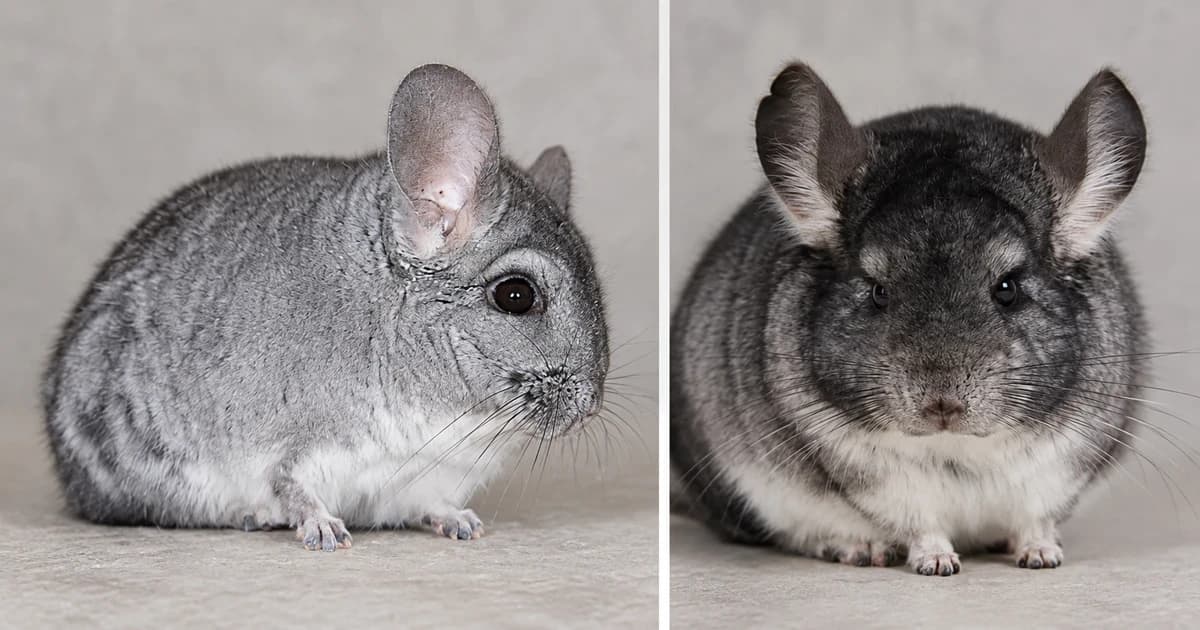
A chinchilla dust bath is an opportunity to roll in specialist bathing material. In PDSA's chinchilla health routine, that means offering about 4–6 cm of specialist chinchilla sand for up to 10 minutes daily, then separating three post-bath tasks: removing the bath tray or chinchilla dust bath house, checking and handling the bathing material, and washing and drying the container according to its own material-care instructions.
Prepare the tray
Choose a shallow bath or chinchilla dust bath house with enough room for rolling. PDSA's dust-bath guidance specifies specialist chinchilla sand at about 4–6 cm deep. Check that the material is intended for chinchilla bathing.
Keep the bathing area quiet, dry and easy to reach, with a familiar hiding place available. Do not wake a sleeping chinchilla to fit your routine.
Offer a limited session
For this chinchilla routine, follow PDSA's daily bath with a ten-minute limit. The charity warns that longer access can lead to toileting in the bath and eye problems.
Let your chinchilla participate without holding them in the tray or trying to make them roll. If they withdraw, give them space rather than increasing handling.
Clear up and review
Treat post-bath clear-up as three distinct checks so sieving the bathing material is never mistaken for cleaning the container or guaranteeing that soiled sand can stay in use:
- 1. Remove the bath container after the session: Take the bath tray or house out of the enclosure once the ten-minute PDSA session ends so it does not become soiled.
- 2. Check and handle the bathing material: The RSPCA home checklist describes sieving the bathing material clean, while soiled material should be handled or replaced according to the product's own rules rather than assumed reusable after sieving alone.
- 3. Wash and dry the container separately: When the container itself needs cleaning, wash it according to its own material-care instructions and dry it completely before refilling with dry chinchilla sand.
| Check Area | Source-Backed Action | Boundary / What to Avoid |
|---|---|---|
| ☐ Bathing Material & Depth | Fill with specialist chinchilla sand to about 4–6 cm deep (PDSA chinchilla guidance). | Do not substitute non-chinchilla sand or wake a sleeping chinchilla for the session. |
| ☐ Session Timing & Participation | Offer daily for up to 10 minutes (PDSA) and allow voluntary rolling (RSPCA). | Do not hold the chinchilla in the tray, force rolling, or leave the bath in all day. |
| ☐ Post-Bath Step 1: Tray Removal | Remove the bath tray or house promptly after use (RSPCA / PDSA). | Prevents toileting in the bath and eye irritation from prolonged access. |
| ☐ Post-Bath Step 2: Bathing Material | Inspect and sieve the bathing material clean (RSPCA) and follow the sand product's replacement guidance. | Do not treat sieving as automatic permission to reuse soiled bathing material. |
| ☐ Post-Bath Step 3: Container Care | Wash the empty container according to its own material-care instructions and dry thoroughly. | Do not confuse sieving the sand with washing the container itself. |
| ☐ Animal Observation | Seek veterinary advice for unusual skin changes, runny eyes, or changed behaviour (PDSA / RSPCA). | Never extend bath time as a substitute for veterinary assessment. |
Unusual skin changes, runny eyes or changed behaviour call for veterinary advice; extending bath time is not a substitute. Our chinchilla enclosure cleaning guide covers the wider home routine.