Planning how to hike with a dog requires checking three things separately: whether dogs are permitted on the exact trail you intend to walk, whether the terrain and conditions suit your individual dog, and whether you can carry the drinking water and waste-disposal supplies needed for the entire outing. A scenic trail photo or a general “dog-friendly park” label does not answer all three questions.
Start with one primary route and a shorter or earlier-return option you could genuinely use on the day. Keep local land-manager rules—such as the US National Park Service and UK Forestry England New Forest examples below—scoped to their specific jurisdictions, and resolve any open access, terrain, or water questions before setting off.
Check the route, not just the destination name
The US National Park Service’s hiking guidance notes that many parks prohibit pets on hiking trails or boardwalks and advises checking the specific park's rules before bringing a pet, alongside matching the trail’s physical demands to the individual animal. Permission to enter a park or car park is therefore a separate question from permission to hike a particular trail inside it.
Look up the land manager’s current guidance for the exact trailhead, path, and boardwalk sections you plan to use. If your route crosses boundary lines between two different agencies or estates, verify pet rules for both sections.
Crowd-sourced walking-app logs can help you preview a path, but they do not replace the land manager’s current access policy. If dog access on a path is unconfirmed or restricted during seasonal wildlife closures, select a confirmed route instead.
Read local instructions in their own setting
Local land rules reflect local hazards and conservation needs. For example, Forestry England’s New Forest page highlights sensitive ground-nesting bird seasons, posted warning notices, and changing car-park closures. It asks walkers to stay on main tracks and keep dogs close in sensitive zones, directs visitors to take bagged dog waste home when bins are unavailable, and warns against approaching free-roaming livestock or forestry work zones. Those rules apply specifically to the New Forest—they are not universal worldwide hiking regulations.
Use the local authority or park page to see what must be checked on the morning of your walk, including temporary trail diversions or heat and livestock advisories. Never carry a lead-length rule, seasonal off-lead window, or waste-bin assumption over from one park to another.
Match the outing to the dog you are taking
The UK charity Dogs Trust advises checking whether planned outdoor activities and unfamiliar environments suit your individual dog. Its countryside guidance emphasizes keeping dogs on a lead around livestock, following the local countryside code, and recognizing that unfamiliar sights, surfaces, and gradients demand more effort than a familiar neighborhood pavement walk.
Review the route description for underfoot surface, stiles or steps, elevation gain, shade cover, and likely encounters with livestock, cyclists, or other dogs. Discuss any age, joint, respiratory, or fitness questions with your veterinarian beforehand; this guide does not supply a breed, age, mileage, or elevation formula for hiking readiness.
Plan the water and waste supplies before comparing options
The National Park Service advises carrying drinking water for your pet, checking on your dog regularly during the hike, taking water breaks, collecting and disposing of pet waste properly, and keeping pets away from wildlife. Pack for those tasks directly rather than assuming a stream, café, or trailhead bin marked on a map will be safe or open.
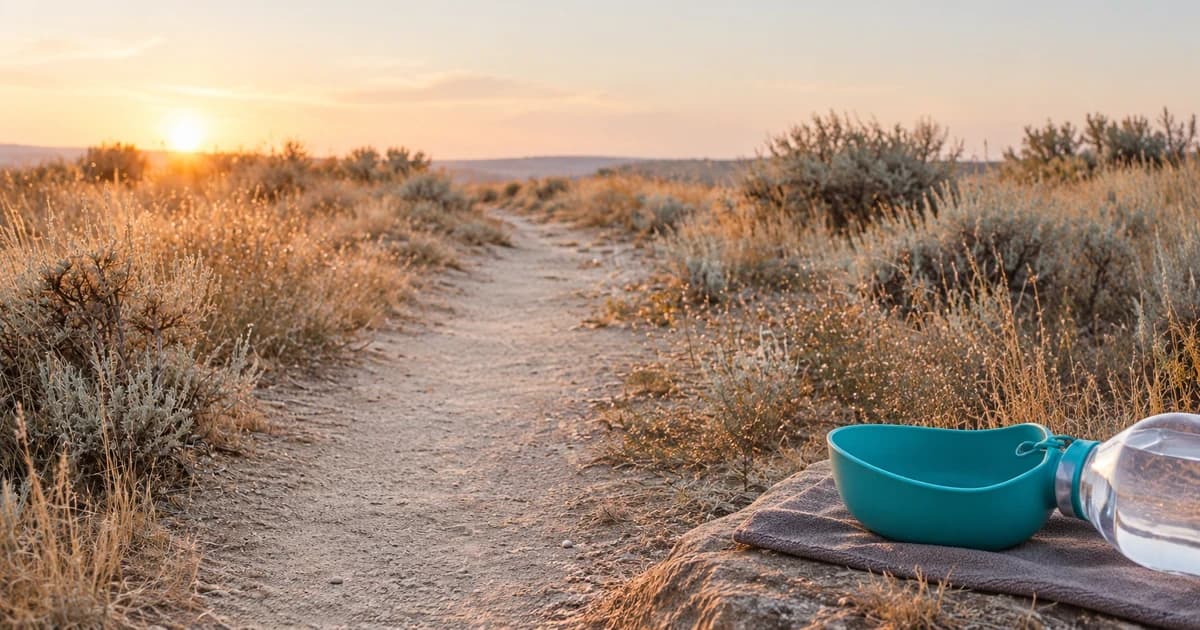
Decide how much water you will carry, how your dog will drink from the container, and where the bottle and bowl will ride in your pack. Check the seal and dispenser mechanism before leaving home; our travel water bottle guide walks through that pre-trip equipment check.
Pack extra waste bags and a sealed carrier way to pack bagged waste out if the trail has no disposal bins. Bagging waste and leaving it beside the trail never completes the disposal task.
Compare the chosen route with a usable shorter alternative
A fallback route only works if you have checked its dog permission, surface, and turnaround points ahead of time. Use the table below to record the official land-manager source and check date alongside both route options; the third column shows a fictional filled example to illustrate how to log date-stamped source details rather than relying on memory.
| Planning Field | Chosen Primary Route | Shorter or Early-Return Option | Sample Filled Entry (Fictional Example Only) |
|---|---|---|---|
| Land-manager source & date checked | Official park/estate trail page URL and the date you checked seasonal notices or closures. | Official page confirming dog access on the shorter loop or out-and-back return leg. | Sample: Ridge Loop Trail page checked 12 May; main gravel track allows dogs on a 6 ft lead; marsh boardwalk closed to pets. |
| Route access & lead rules | Exact path name, permitted sections, lead rules, and any boundary crossings. | Confirmed turnaround landmark or shorter loop junction—not an unverified bushwhack shortcut. | Sample: Primary: 4-mile gravel loop (on-lead throughout). Shorter option: turn back at Mile 1.2 stone bridge for a flat 2.4-mile out-and-back. |
| Terrain & likely encounters | Surface type, climb/steps, shade availability, and livestock or wildlife zones. | Which steep climbs, exposed stretches, or livestock pastures are avoided by taking the shorter option. | Sample: Primary climbs exposed rocky grade after Mile 1.5; turning back at the Mile 1.2 bridge stays on shaded, level forest track. |
| Carried water & waste plan | Packed drinking water, dispenser/bowl tested at home, waste bags, and pack-out pouch if bins are absent. | Whether the same water supply, shade-break spot, and waste-disposal point cover the shorter return. | Sample: Two 750 ml bottles + collapsible silicone bowl; waste bin only at main trailhead car park (carry sealed waste pouch on trail). |
| Open day-of check or switch trigger | Morning weather/car-park check or unconfirmed detail that must be resolved before starting. | Exact condition (rising heat, busy narrow path, tired dog, or closed gate) that triggers an immediate switch to the shorter return. | Sample: Check morning trailhead board for forestry works; switch to Mile 1.2 bridge return if midday sun clears the tree canopy or dog slows pace. |
This worksheet is an organizational aid rather than a difficulty rating or hydration formula. Re-check the land manager's page whenever weather, seasonal restrictions, or your dog's health changes.
Keep the equipment in context
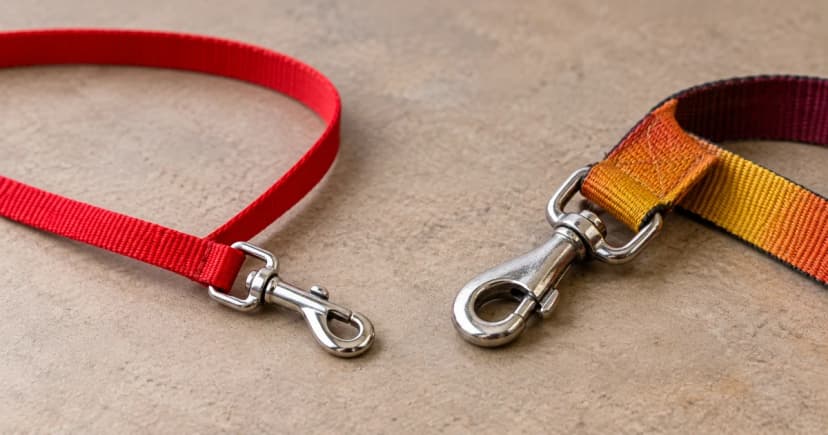
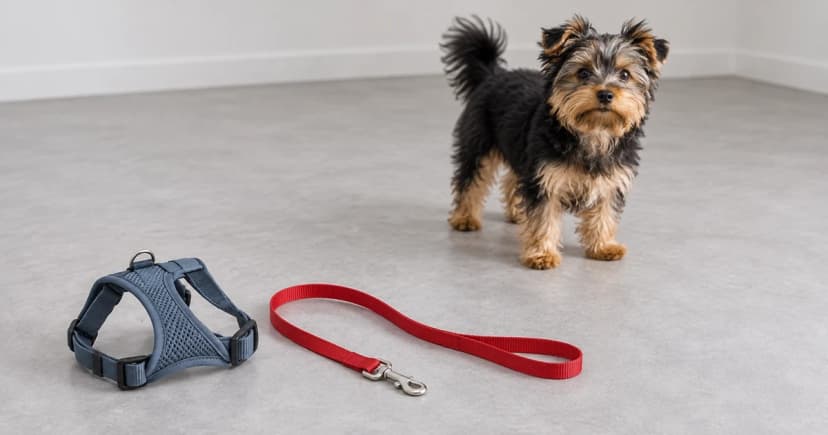
Pawlivy's leashes and travel bowls and water bottles categories can help you compare everyday walking and hydration gear, but equipment choices never replace checking trail permission or matching the route to your dog. Our editorial policy explains how source guidance and photo illustrations are presented.