When owners ask how hot is too hot to walk a dog, the direct answer from veterinary and welfare charities is that no single air-temperature number guarantees a safe walk for every dog. Deciding whether to set out depends on your individual dog (age, weight, coat, health, and flat-faced airway structure), humidity, sun exposure, ground heat, and activity level. On a hot or humid day, skipping or postponing the walk is often the safest choice—and if a dog ever shows signs of overheating, collapse, or breathing difficulty, stop immediately and contact a veterinarian for urgent help.
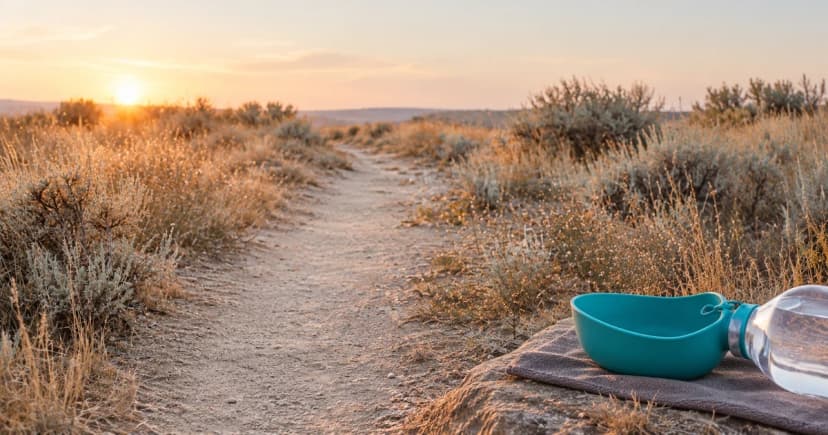
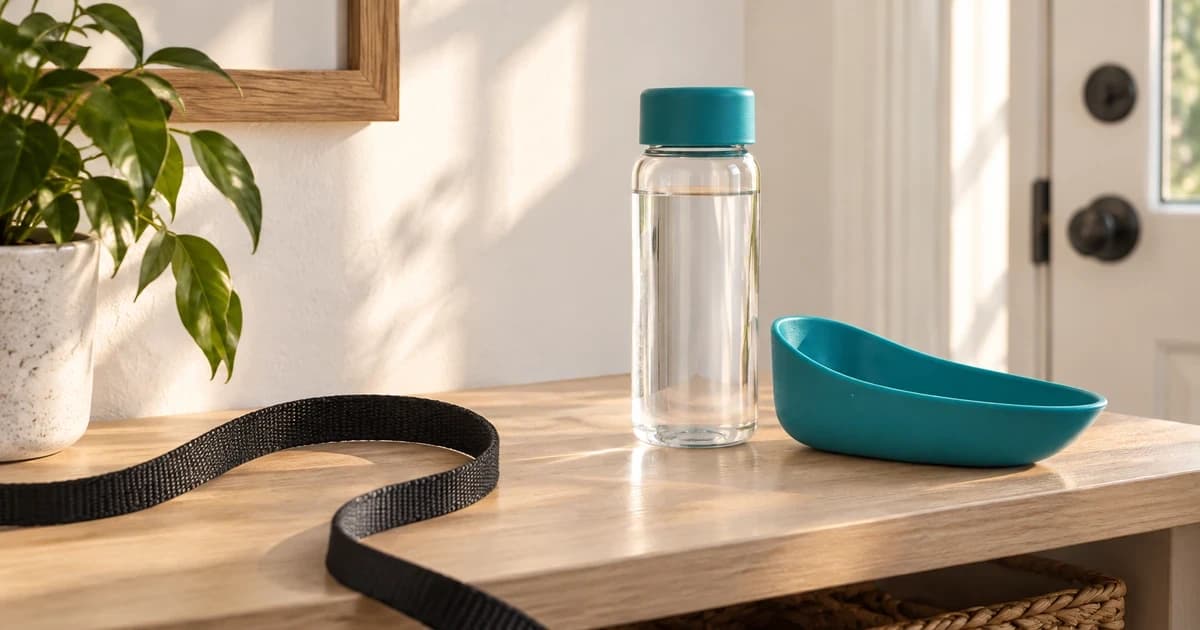
Treat a weather-app temperature reading as one piece of context rather than a permission slip: carrying a water bottle or walking on grass does not automatically make an energetic warm-weather outing safe.
Start with the option to skip, revise, or cut short the walk
In its summer heat advice, the UK veterinary charity PDSA advises avoiding the hottest hours of the day, keeping walks short in cooler early-morning or late-evening windows, or skipping a walk altogether on hot days. PDSA also warns that eager, active dogs will keep chasing balls or running even when dangerously overheated—so your dog's excitement at the door never proves the weather is safe.
Use the decision card below to compare your three options before and during an outing. Each row's right-hand column states a self-contained limit so no option is mistaken for a safety guarantee:
| Walk Decision | What Changes in Your Plan | Important Limit to Keep in Mind |
|---|---|---|
| 1. Skip or postpone the walk | The planned outdoor walk does not take place now; you replace it with calm indoor rest or reassess when weather cools. | Skipping a hot-weather walk does not mean you should make up the missed distance later in the day. |
| 2. Revise time, route, and pace before leaving | You switch to a shaded, slow, short potty break at a cooler hour instead of following your normal loop or fetch session. | Starting earlier or carrying extra drinking water does not guarantee a safe walk if heat, humidity, or exertion still strain your dog. |
| 3. End an outing already underway | You abandon the planned route immediately and head into shade or air-conditioning as soon as conditions or your dog's breathing change. | Stepping out the front door never obligates you to finish the loop—stopping early is always safer than pushing home at full pace. |
Evaluate the individual dog—especially humidity and airway risk
In its hot-weather care guidance, Dogs Trust emphasizes that there is no one-size-fits-all temperature rule because breed, age, fitness, and medical conditions shift a dog's heat tolerance. Crucially, Dogs Trust explains that high humidity makes panting less effective at cooling a dog down, and highlights that senior dogs, overweight dogs, flat-faced (brachycephalic) breeds, and dogs with heart or breathing problems face heightened risk even in moderate warmth.
Never copy a neighbor's jogging routine or rely on an unverified internet temperature chart to override your veterinarian's advice for your dog. If a family member or dog walker is taking your dog out, give them explicit instructions that shortening or cancelling the walk is always approved.
Check the whole outing, not just a quick pavement touch
The ASPCA's hot-weather safety tips advise avoiding over-exertion, keeping pets indoors during extreme heat, and minimizing walks while preventing dogs from lingering on hot asphalt that can burn paw pads.
Remember that checking asphalt temperature with your hand addresses only surface paw burns—it does not measure air heat load or humidity stress. Moving a walk from blacktop onto a sunny grass field, or shifting a high-energy run 30 minutes earlier in muggy weather, still exposes your dog to systemic heat build-up.
Recognize when to stop immediately and seek veterinary care
Agree before leaving home that any sign of struggle ends the walk on the spot. Carrying water is a basic precaution, not a license to extend a hot walk.
If you suspect your dog is overheating or becoming unwell, stop all movement immediately, move to a cool shaded area, and contact a veterinarian promptly. Collapse, heavy gasping, or difficulty breathing requires immediate emergency veterinary attention. For managing calm backyard shade and hydration when you skip a walk, see our guide to shade, water and quiet outdoor rest, and review our editorial policy on how we cite welfare organizations.