
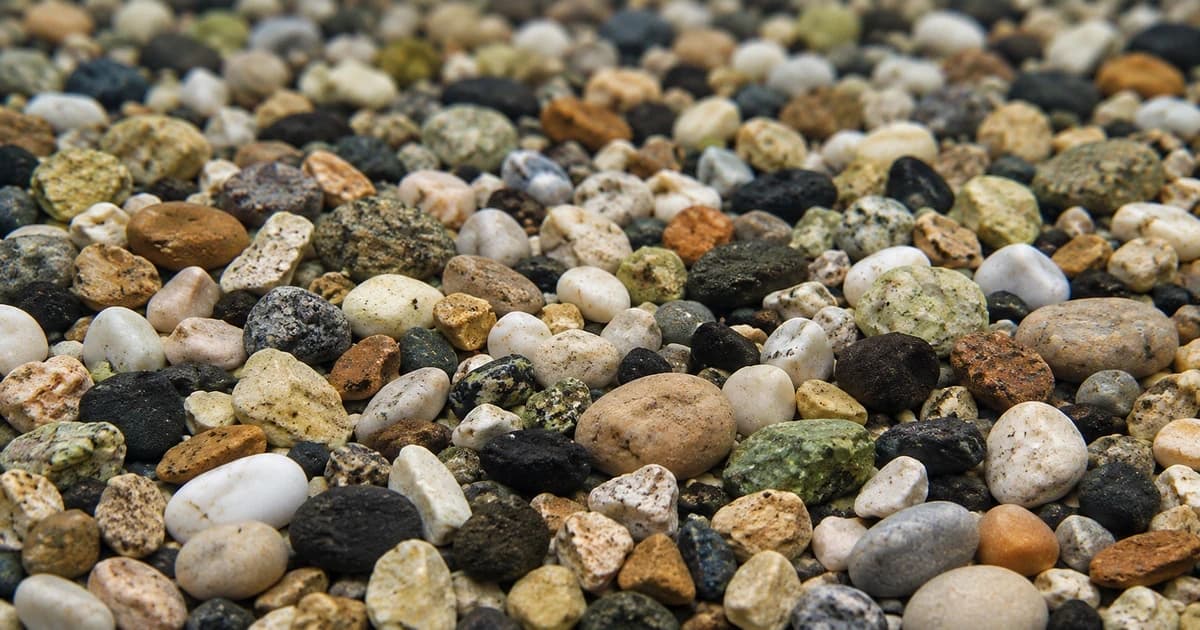
To clean aquarium gravel, first identify the substrate and the cleaner you actually have. Use a method that its instructions permit for that substrate, and establish whether the tool drains water out of the aquarium or filters it and returns it. A method described for one gravel cleaner is not a sand, planted-soil or complete tank-reset procedure.
This guide helps you choose the documented route for existing gravel. It uses named equipment examples to show which details matter; it does not establish that a particular cleaner suits your aquarium or that visibly clearer gravel means the aquarium is healthy.
Start with the substrate and the exact instructions
Find the substrate packaging or supplier description and the cleaner's model number. Record what is known about the substrate rather than deciding from a photograph that it meets a manufacturer's requirements. A mixed bed, uncertain grain description or missing manual leaves a question to resolve before copying an operating method.
For example, the English Fluval ProVac manual, hosted by Aquasabi excludes fine gravel and sand. That condition belongs to ProVac. It does not tell you which different cleaner to use on those substrates, and it does not make all material sold as aquarium gravel eligible.
Keep the current instructions for your own unit beside you. Check the substrate conditions, required components, water-depth requirements and complete electrical precautions together.
Work out where the water goes
| Documented route | What the example establishes | What you still need to confirm |
|---|---|---|
| Draining siphon | Aqueon's named siphon product removes debris with flowing water while gravel settles. | Your model's permitted substrate, collection arrangement and flow-starting instructions. |
| Powered cleaner with an onboard filter | ProVac's normal cleaning setup differs from its separate water-change adapter setup. | Exact substrate eligibility, assembly, operating depth and all electrical instructions. |
| Unresolved manual condition | The EHEIM 3531 manual contains conflicting gravel-size conditions. |
This distinction affects your preparation. Do not assume that a tube with a filter, a hose leading to a collection container and a water-change adapter all do the same job. Trace the route using the actual instructions and components, then decide which documented configuration you intend to use.
A draining-siphon example: Aqueon
Aqueon's Siphon Vacuum Gravel Cleaners page describes starting water flow by moving the intake tube up and down. It explains that debris leaves with the water while gravel falls back, and lists a hose and bucket clip among the included parts.
Those details identify this product's draining route. They are not instructions to prime another device the same way. Before using your own siphon, establish its permitted substrate, its full setup and stopping instructions, and where the removed water will be collected. The product page alone does not provide an aquarium-specific amount to remove or a maintenance schedule.
A conditional powered-cleaner example: ProVac
If your unit is the documented ProVac and its substrate requirements are satisfied, use its complete manual for assembly and operation. The English instructions require disconnecting appliances already in the aquarium before putting hands in the water; they also require the supplied transformer, operation under water and unplugging before adding or removing parts or cleaning the appliance.
For that unit, the manual describes moving the cleaner along the bottom so gravel enters the tube and returns to the bed. Its specified press-and-hold Pause function releases trapped material. Do not transfer that control to another powered cleaner. The water-change adapter is a separate configuration, with a hose sold separately.
A short explanation cannot replace the manual's electrical precautions. Resolve unfamiliar assembly or electrical conditions with the manufacturer or an appropriate professional. This guide does not provide rewiring, appliance repair or a substitute method for excluded fine gravel and sand.
When the manual itself needs clarification
The EHEIM 3531 QuickVacpro manual presents conflicting gravel-size eligibility conditions in its diagram and English and French text. Its English text also excludes sandy bottoms. We cannot settle that conflict by choosing a translation or guessing from the appearance of the stones.
The device's bottom-cleaning depth and switch instructions are deliberately not reproduced here while that eligibility question remains unresolved.
Keep a useful record of the session
Use a short note to connect what you intended to do with what you observed:
- Substrate identification and the exact manual used.
- Cleaner model, configuration and whether water was removed or returned.
- Areas addressed, visible material collected and any unexpected trapping or movement.
Describe observations plainly. A change in visible debris is not proof of disinfection, water chemistry, preserved bacteria or animal wellbeing. This guide does not set a universal water-change percentage, prescribe conditioners or advise washing out the whole substrate bed.
For equipment comparisons, start with gravel vacuums and siphons and confirm the exact unit's documentation. Filter-component service is a separate task covered in how often to clean an aquarium filter; panel cleaning is covered in choosing and using an aquarium magnetic glass cleaner.