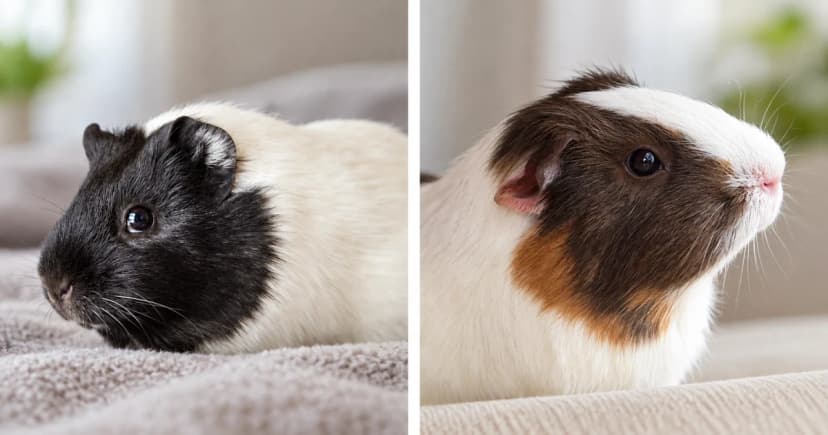
To handle guinea pigs, start with contact they can choose on the ground. When lifting is needed, support the whole body, stay low and plan how to end contact before you begin.
Begin without a pickup
Guinea pigs can find being picked up frightening. PDSA recommends ground-level observation, gentle strokes or offering food as alternatives. Let the guinea pig approach, and keep somewhere to retreat available. Familiarity with you does not make lifting compulsory. Children need supervision; sitting nearby and offering contact at ground level can be their role.
Prepare the destination first
Decide why you need to move the guinea pig and where you will put them down. Clear the route and arrange the destination before starting, rather than trying to open something with occupied hands. If another person is helping, agree who will handle the animal and who will prepare the space.
Check the everyday accommodation separately: the small-pet cages and habitats category is a browsing starting point, not a handling instruction. For the separate floor-care job, use the fleece-liner preparation and washing guide.
Support before moving
Use both hands, supporting the chest/front body and the hindquarters together. Keep the guinea pig close to you and low, with no unsupported dangling. Low positioning reduces the risk from a fall; it cannot guarantee that an animal will not jump.
Blue Cross advises a secure, gentle hold without squeezing. Sitting can help keep contact low. A lap is an option only when the individual is comfortable with it, not a required destination.
Never turn a guinea pig onto their back for handling.
Return low and end contact
Keep the body supported as you return to the prepared low destination. End the interaction rather than extending it to meet a time target. Do not let go while the animal is still unsupported above the surface.
Let the response guide the next attempt
The RSPCA's handling advice explains that rough contact can be distressing. Running away, hiding, fear or aggression are reasons to reduce demands and reconsider contact. Return to quieter ground-level familiarity instead of holding on until resistance stops. Human attention also does not replace guinea-pig companionship; the guinea-pig introduction guide covers that different task.
If lifting appears painful, a necessary move is difficult, or you cannot manage a supported low return, ask your vet to demonstrate suitable handling. Do not improvise restraint. For the next caregiver, note what contact was attempted, the response and what you changed, so the next attempt starts from that information.