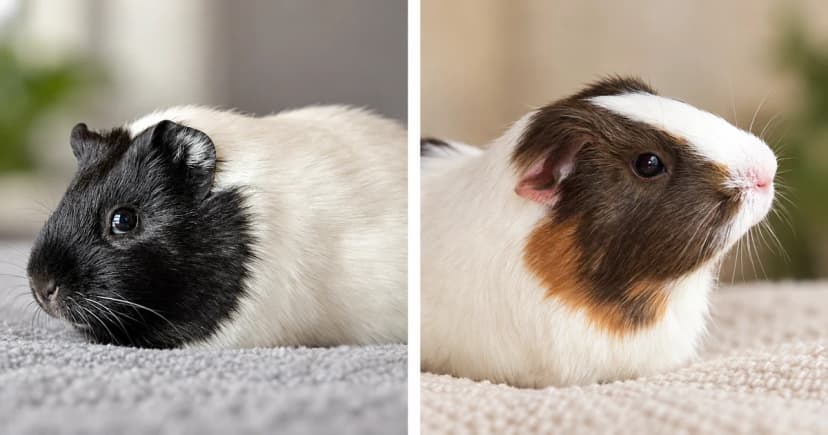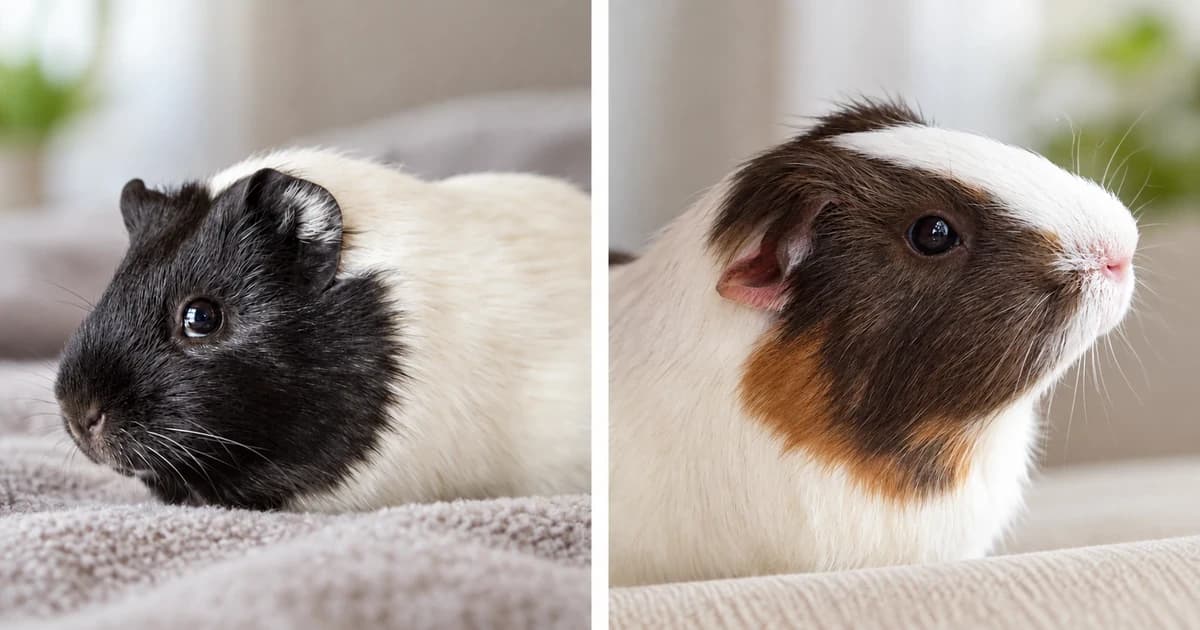
To introduce guinea pigs, arrange suitable companionship and separate accommodation first. Build familiarity gradually, supervise a neutral meeting and review both animals before considering shared living.
Confirm the companion and individual readiness
The RSPCA recommends compatible guinea-pig company; a rabbit is not a substitute. Ask a veterinarian or experienced rescue about the proposed pairing and prevention of unwanted breeding. Same-sex and appropriately neutered mixed arrangements have different considerations. Neutering is not a remedy for fighting.
PDSA advises keeping a newcomer separate until health readiness is established. If either guinea pig seems unwell, consult your vet before introductions.
Write down what the provider has told you and which questions remain unanswered. Confirm who will arrange any needed advice before contact, rather than treating a collection date as clearance to proceed.
Provide separate homes and gradual familiarity
Begin with separate setups where the guinea pigs can see and smell each other without touching. PDSA describes exchanging bedding or other familiar items before closer protected contact. Watch their responses as you bring the setups closer; prevent nipping through bars. Sniffing and time near either side of the barrier can be encouraging. Progress when their interactions remain positive, rather than because several days have passed.
Identify where each guinea pig will stay if the next stage is postponed. Check the actual equipment and access arrangement before relying on it. The small-pet cages and habitats category is an equipment entry point, not confirmation that a particular enclosure suits this pair.
Arrange a neutral supervised meeting
Pasadena Humane recommends a meeting place unfamiliar to both guinea pigs, with room to withdraw. Keep watching both animals. Initial distance does not require you to push them together. Grooming each other or lying nearby can be encouraging; neither observation alone completes the introduction.
Agree who will supervise and when that person hands over. Note what each animal actually did, including choosing to remain apart. “They were together” does not describe how either responded.
Review shared living and resources
PDSA moves toward shared accommodation after sustained positive supervised contact. Keep reviewing the arrangement instead of moving them together to meet a deadline.
Provide enough shelter, food, water and hiding places for all guinea pigs, with opportunities to get away from companions. Continue observing access and interactions after a move; shared accommodation does not remove either animal's needs.
Keep equipment care as a separate job. Our fleece-liner preparation and washing guide distinguishes complete liner constructions. For an installed drinking bottle, the flow and leak checking guide addresses the mechanism; an owner-operated check does not establish either animal's intake.
Watch for persistent teeth chattering, hiding from the other guinea pig, biting or chasing. Do not advance through concerning behaviour. Keep the animals apart if aggression occurs.
Consult a guinea-pig behaviour expert when unsure or having problems.
Injuries need veterinary attention.
Describe the setting, each animal's response and the stage you reached when seeking advice. Keep their separate accommodation available while the next plan is resolved. A successful meeting is an observation to review, not a promise that the pair must live together.