To hike with a dog, check three things separately: whether dogs may use the actual route, whether its demands suit your dog, and whether you can carry the supplies needed for the outing. A trail photograph or a “dog-friendly” destination label does not answer all three.
Start with one proposed route and a shorter alternative you could genuinely use. Keep unanswered access, terrain and water questions visible rather than treating a packed bag as permission to set off.
Check the route, not just the destination name
The US National Park Service’s hiking guidance says many parks do not allow pets on hiking trails or boardwalks and advises checking the particular park before bringing them. It also recommends matching the trail’s physical demands to the individual pet. Permission to visit a park is therefore a different question from permission to follow your chosen path through it.
Find the land manager’s current information for the exact route and access point. Check whether its pet policy distinguishes trails, boardwalks or other areas. If the route crosses into another managed area, resolve that part too.
A walking-app entry can help identify a route, but it is not the land manager’s confirmation. If the pet-access information is missing or contradictory, choose another confirmed option or ask before going. Buying a different lead does not resolve an access question.
Read local instructions in their own setting
For example, Forestry England’s New Forest page describes sensitive ground-nesting areas, warning signs and changing car-park access. It asks visitors to stay on main tracks and keep dogs with them in those areas. It also gives a specific instruction to take dog waste home and asks visitors to avoid work sites and approaching or feeding free-roaming animals. Those are instructions for that named place, not worldwide hiking rules.
Use a local page to identify what needs checking on the day. Look for access changes, signs and instructions relevant to the path you intend to follow. A recommendation saved from a previous visit describes a previous situation.
Do not transfer a leash length, seasonal date or waste arrangement from one park to another. Establish the actual lead requirements and disposal arrangements for your destination. A page that welcomes dogs somewhere on the property does not authorize off-lead use throughout it.
Match the outing to the dog you are taking
The UK charity Dogs Trust advises considering whether planned activities and unfamiliar surroundings suit the individual dog. Its countryside guidance highlights livestock, recommends checking the relevant countryside code and keeping dogs on a lead around livestock. New sights and sounds can also require support. Familiar behaviour on the usual local walk does not establish readiness for every new setting.
Read the route description for its surface, changes in level and likely encounters. Consider what your dog already manages, together with what you can manage while attending to them. A route you enjoy alone may present a different task when you also need to handle a dog and carry supplies.
Keep health or physical-capacity uncertainties for an individual discussion with your veterinarian. This guide provides no breed, age, distance or elevation formula for hiking readiness. It also supplies no training exercise or livestock-confrontation procedure to make an unsuitable route work.
Plan the water and waste supplies before comparing options
The National Park Service recommends bringing water, checking on your dog during the hike and taking water breaks. It also asks visitors to collect and dispose of pet waste and keep pets away from wildlife. Pack around those tasks without assuming a stream, café or bin shown on a map will supply what you need.
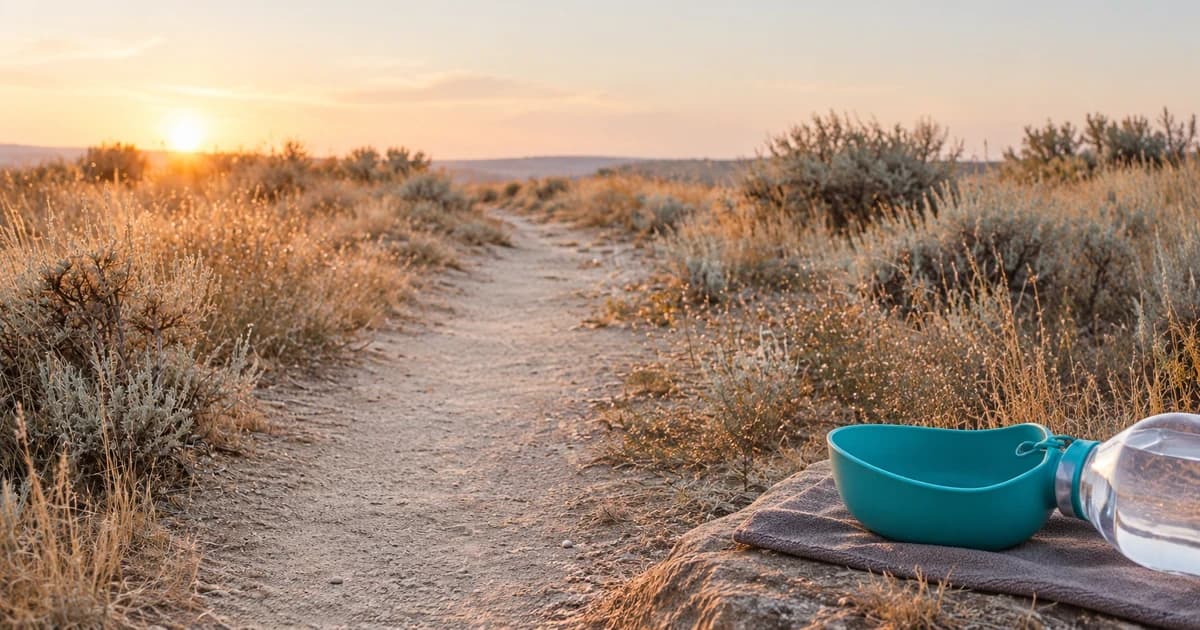
Decide what water you will carry, how it will be offered and where the container and bowl will sit in your bag. Check the actual equipment’s closure and permitted use before the outing. Our travel water bottle guide covers that separate preparation task; a pictured bottle does not establish its capacity or mechanism.
Bring waste bags and plan what you will do with collected waste when the route has no suitable disposal point. Follow the destination’s own instructions. Do not assume that bagging waste completes the job if the bag is then left along the path.
Compare the chosen route with a usable shorter alternative
A shorter option is useful only if its access and practical details are known too. It might be another permitted route or an earlier return along the planned path. Do not mark a shortcut across an unknown area as your fallback.
| Question | Chosen route | Shorter or return option |
|---|---|---|
| Access | Exact path, manager’s pet policy and unresolved restrictions. | Its own permission and usable access point, rather than an assumed shortcut. |
| Demands and encounters | Described terrain and the situations your dog would need to manage. | What becomes simpler, and which demands remain? |
| Carried supplies | Water, a way to offer it, lead and waste arrangements for the outing. | Whether the same supplies and disposal plan still work. |
| Change of plan | Questions that must be answered before choosing this route. | Where you would return or switch plans, with the route understood beforehand. |
This comparison is an organizational aid, not a validated difficulty score. An attractive route with unknown dog access remains unresolved even if the shorter option looks less exciting. Revisit the plan if the route, conditions, dog or accompanying people change.
Keep the equipment in context
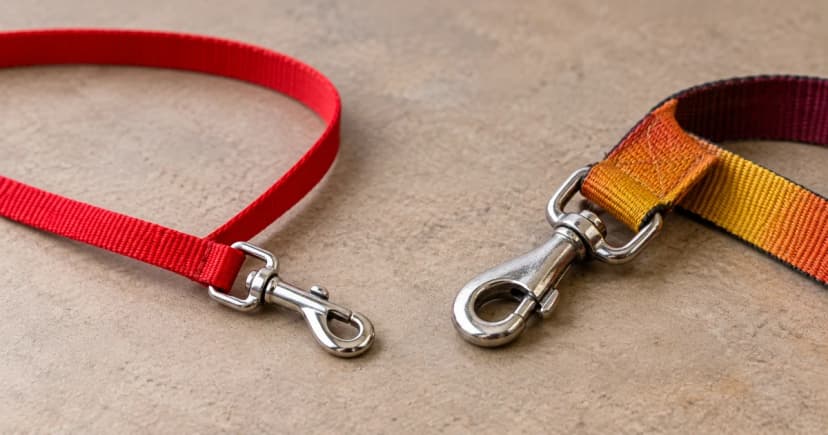
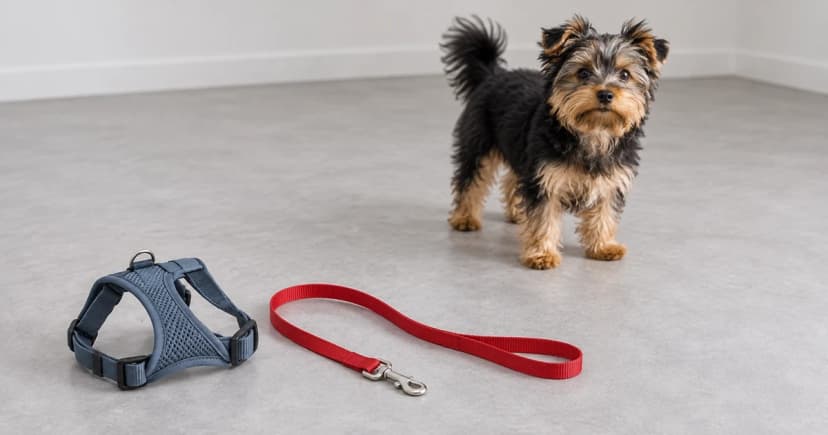
Our leashes and travel bowls and water bottles categories provide topical equipment routes. Match any item to its own instructions; these categories do not confirm a particular trail’s requirements or a photographed product’s identity, availability or performance.
The linked National Park Service, Forestry England and Dogs Trust pages support the scoped planning points above. No clinical, legal or fixed-temperature rule is supplied here. Our editorial policy explains how source instructions and reconstructed photo illustrations are distinguished.