To keep a dog cool outside, start with a shaded place to rest, fresh drinking water and the option to move into a cooler indoor space. Keep the activity quiet. These measures do not make every hot day suitable for outdoor time, and there is no temperature or timer that can certify the arrangement for every dog.
This guide concerns a supervised rest in a garden or similar outdoor space. It is not a plan for leaving a dog outside all day or a way to extend exercise in the heat.
Walk through the resting place before bringing your dog out
The UK veterinary charity PDSA recommends fresh, clean water around the home and garden and a shady spot to lounge. It identifies trees, shrubs and gazebos as possible shade, and describes a cooler indoor room as an alternative when outside is too hot. PDSA also advises keeping energetic dogs calm rather than encouraging active games such as fetch in hot weather.
Use those principles to choose an actual location, rather than selecting a product first. Look at the ground where the dog would settle, the place where you will put the water and the route back inside. A shady corner elsewhere in the garden does not answer whether the proposed resting place is shaded.
The walk-through below is an editorial planning aid, not a tested cooling method or a veterinary inspection. Recheck the arrangement when the setting changes; the rows do not prescribe a number of minutes outdoors.
| Part of the arrangement | Question to resolve before settling | If the answer is unclear |
|---|---|---|
| Resting place | Is this actual patch out of direct sun? | Choose another place or use the indoor alternative. |
| Drinking water | Is the water ready and reachable here? | Put it in place before starting the rest. |
| Indoor alternative | Where will we go if this arrangement no longer works? | Choose that destination before spending time outside. |
| Activity | Are we settling quietly or starting another game? | Change the plan instead of adding more play. |
Make drinking water part of the location
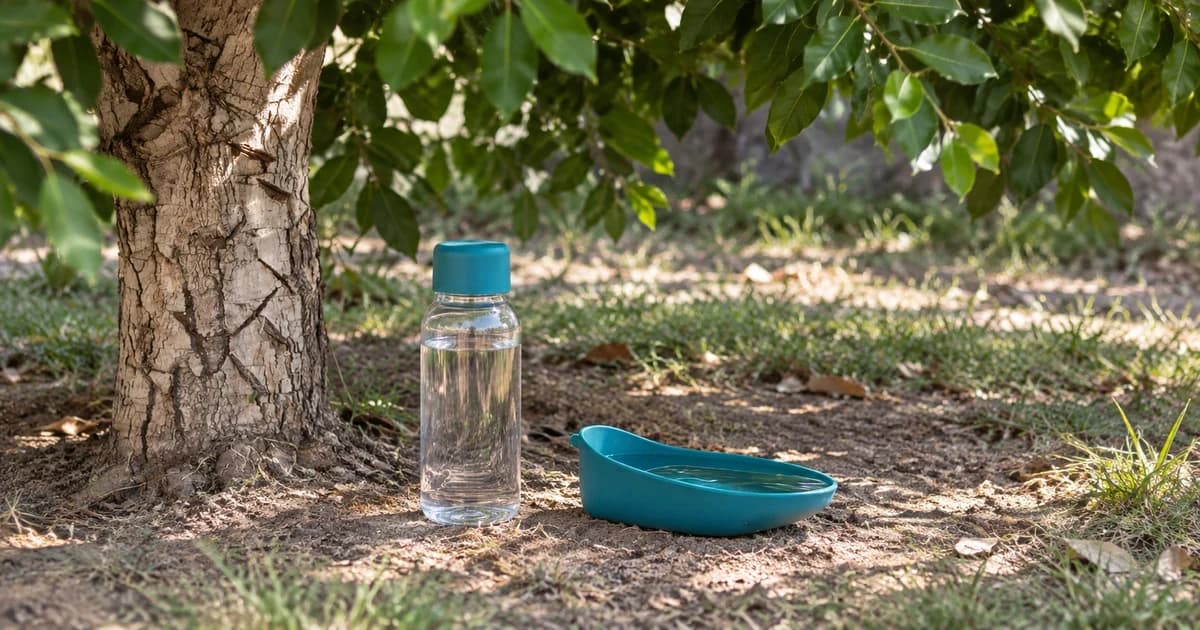
The US CDC advises providing plenty of fresh water and leaving it in a shady area. Its linked HeatRisk dashboard concerns human health; it is not a dog-specific temperature clearance.
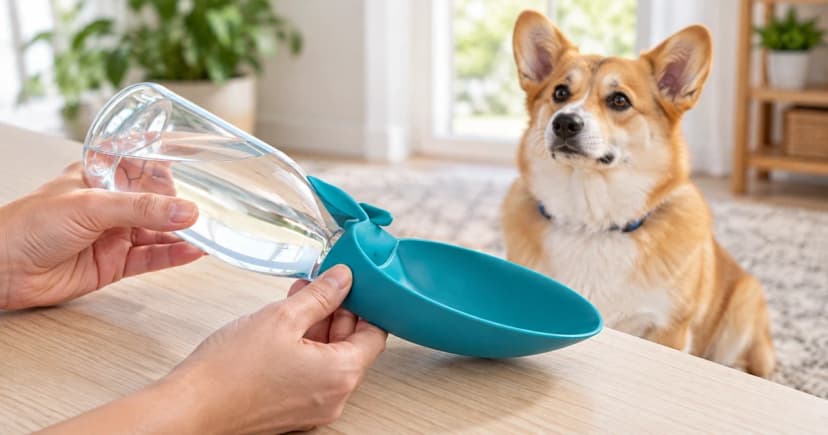
For your own setup, distinguish water you have packed from water the dog can actually reach. A filled bottle in a closed bag is a supply, not a ready drinking place. Decide which existing container you will use and where you will refill it. You do not need to purchase a cooling accessory to organize those two tasks.
If you already use a travel bottle, deal with unfamiliar parts before the rest begins. Our travel water bottle assembly guide covers the separate, model-specific preparation task. A photograph of one trough or bottle does not establish how yours works.
Keep the plan flexible for this dog
The UK charity Dogs Trust explains that heat tolerance has no one-size-fits-all answer: breed, age, health and other factors matter. It also warns that some dogs continue running or playing even when hot and tired. A dog wanting another game is therefore not reliable permission to continue. Ask your vet about individual health concerns rather than using another dog's routine as a benchmark.
For example, suppose you have planned to read beside the garden's shaded patch. During the rest, the chosen patch is no longer shaded, the water needs replacing, or the visit has turned into repeated ball throwing. Treat that as a change to the original arrangement. End the outdoor rest or reorganize it; do not continue simply because the planned reading time has not finished.
This example is a decision aid, not an outdoor-time allowance. An older dog's usual routine, a neighbor's experience or a product label cannot supply a universal duration for your dog.
End the rest when the conditions no longer fit
Keep the indoor option part of the plan from the beginning. If the outdoor setting is unsuitable, use the cooler indoor space instead of trying to compensate with more accessories. Shade and water are routine provisions, not a guarantee against heat-related illness.
If you are worried that your dog is becoming unwell or overheating, stop the outdoor activity and seek prompt veterinary help. Collapse or difficulty breathing needs immediate veterinary attention. Do not use this checklist to diagnose the problem, wait for a timer to expire or work through equipment adjustments before seeking help.
For an ordinary rest, the useful question is whether the current place and activity still suit your dog. It is a continuing decision, not a pass certificate issued when you first step outside.
Sources: UK welfare guidance from PDSA and Dogs Trust, plus the US CDC's narrow water-and-shade advice. The location walk-through and example are editorial organization of those principles. This article does not give a clinical cooling protocol or a safe-temperature threshold. See our editorial policy.