Teach a dog to fetch by building the pieces before adding a throw: voluntary interest in a suitable toy, picking it up, moving back toward you and releasing it. Begin close to the dog and reward small successes. A dog that chases an object has not necessarily learned the return part, and a dog that declines the game should not be forced to participate.
The American Kennel Club's fetch guide starts with holding a toy and gradually increases the distance. You can use that progression without setting a deadline or turning every attempt into a long chase.
Prepare an easy starting point
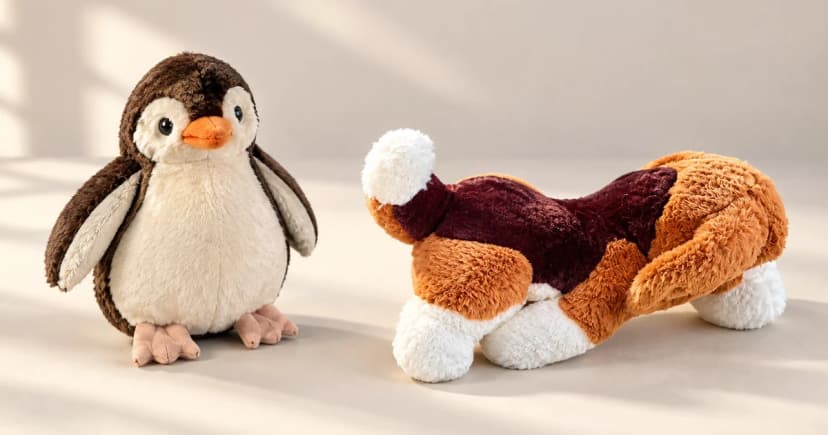
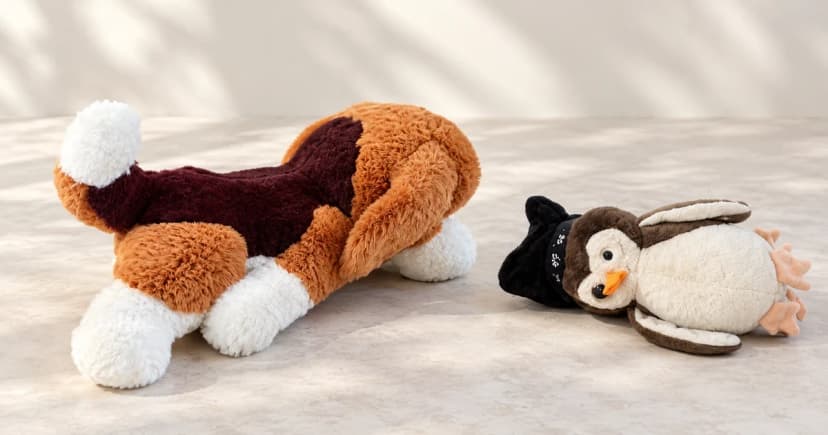
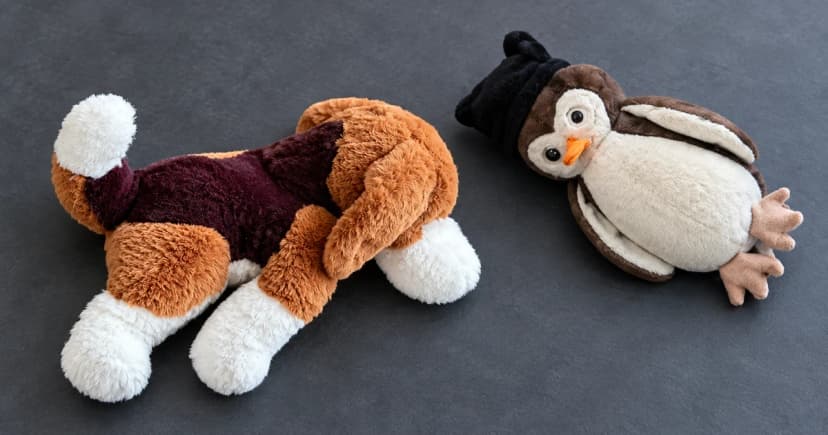
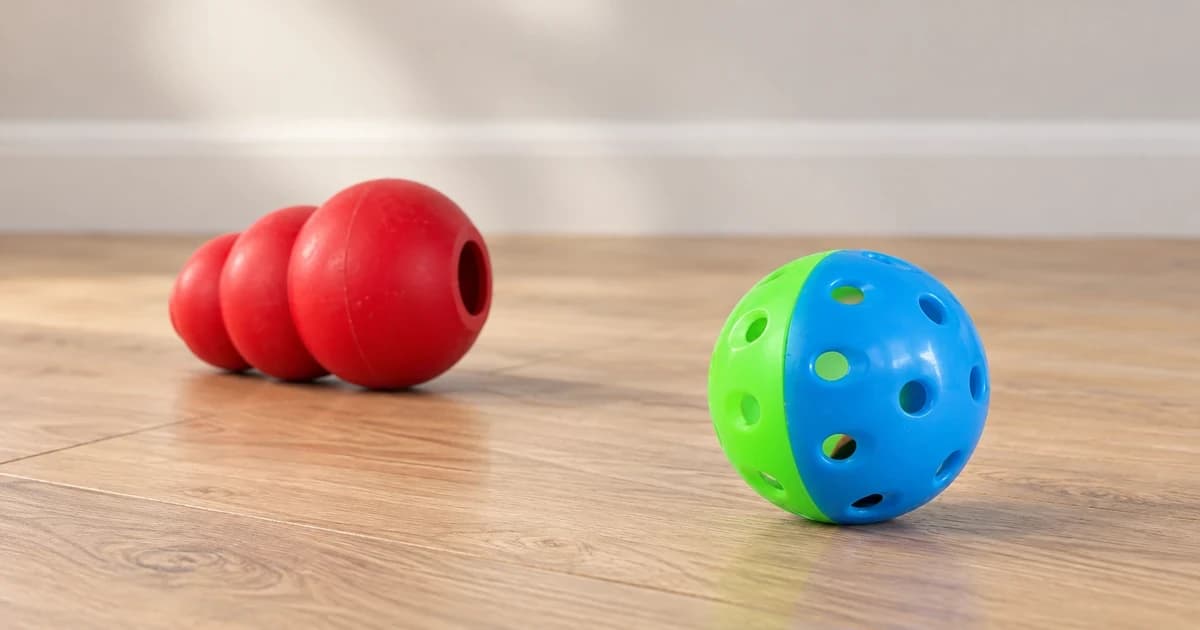
Choose an object the dog willingly investigates and can appropriately carry. Check the maker's intended use and size guidance, inspect the toy and remove anything with parts coming loose. Do not use an object small enough to swallow. Browse dog toys for different shapes rather than assuming that every dog wants a ball; a category name does not establish individual suitability.
Start in a familiar space with enough room for a few comfortable steps. Have an appropriate food reward available, accounting for it within the dog's allowance. Use a consistent marker, such as a brief "yes" or a familiar clicker, to identify a successful action before giving the reward. Keep the first task simple enough that you can tell which action you are rewarding.
1. Reward voluntary contact and a brief hold
Present the toy without pushing it into the dog's mouth. Mark and reward interest, such as investigating with the nose. As the dog becomes comfortable, work toward voluntary mouth contact and a brief hold. Increase the challenge gradually instead of withholding rewards until the dog performs the entire retrieve.
Return to an easier action if interest fades or the dog repeatedly lets go before the next step. Add a hold cue when the dog is consistently offering that behavior. The useful measure is a comfortable, repeatable response, not holding for a prescribed number of seconds.
2. Transfer the pickup to the floor
Place the toy on the floor close to your dog. Mark and reward a voluntary pickup. If the dog only investigates, reward that easier starting point and build from there. Blue Cross's retrieve guidance similarly breaks investigation, holding and floor pickup into stages worked at the dog's pace.
When pickup becomes familiar, introduce a consistent cue such as "get it." Avoid repeating the cue while the dog is confused. Make the object easier to notice and closer again, then wait for a response the dog can successfully offer.
3. Add a short return and an exchange
Encourage the dog to move toward you with the toy. Start nearby; a small step backward and gentle encouragement may help. Reward the return. Build distance only after that short sequence is working, and change one part at a time instead of increasing both distance and excitement together.
Use a learned release cue or offer an exchange rather than wrestling the toy away. Battersea's play advice describes dropping or exchanging a returned toy and keeping excitement manageable. Practice these pauses separately if returning the toy immediately turns into another chase.
| What happens | Make the next attempt easier |
|---|---|
| Dog watches but does not pick up | Go back to rewarding investigation close to you. |
| Dog picks up but stays away | Practice a much shorter return and reward approaching. |
| Dog returns but will not release | Work on a calm exchange instead of pulling at the toy. |
| Dog disengages | End the invitation and choose another suitable activity. |
4. Introduce gentle sends and clear pauses
A placed toy can teach a retrieve without being thrown. If you later add a throw, keep the initial distance modest and avoid upward throws that invite jumping. Blue Cross cautions against repetitive chasing with abrupt turns and stops. Let the toy settle and work on a familiar wait-and-release routine before making the game more animated.
Pause when the dog struggles to respond, becomes overexcited or shows discomfort. For a dog with health or movement restrictions, ask your veterinarian what activities are appropriate. Dogs Trust's enrichment guidance emphasizes individual health, abilities, preferences and time to rest.
Keep rewarding the parts you want to repeat. A willing pickup, a short return and an easy exchange make a useful learning session; distance and speed can wait, and another activity remains a valid choice.