Teach “leave it” by rewarding a dog for turning attention away before picking an item up. This is a different task from releasing something already held in the mouth.
The lesson below follows one written Dogs Trust progression. Keep a real hazard out of the exercise: putting something dangerous within reach is not a way to check whether a cue works.
Separate leaving from giving an item back
Dogs Trust introduces this lesson after the dog understands the idea of a fair exchange. Our two-toy release lesson covers the separate task of voluntarily letting go. This article does not combine its steps with the leave exercise.
Choose a controlled practice setting and an appropriate low-interest item. If you are unsure which item or setup fits your dog, ask a qualified trainer rather than improvising with a hazardous object.
Follow the complete leave progression
Dogs Trust's leave-training instructions separate the item from the reward:
- Hold a rewarding treat in one hand and a low-interest item in the other.
- Present the item, let the dog sniff, and wait for a look or movement away.
- Mark that choice and give the reward from the other hand.
- Practise until looking away is reliable before adding a cue.
- Say “leave,” present the item, then mark and reward disengagement.
- Watch for looking away in response to the word.
- Gradually practise elsewhere, with distractions and controlled movement: floor placement, then a low-height drop.
- Increase the item's interest as the dog progresses.
- If the task becomes difficult, return to an easier successful stage and progress more slowly.
Reward the action you actually saw
Battersea's positive-training guidance emphasizes identifying what motivates the individual dog and promptly rewarding the desired action. A clear marker word can identify that moment; you do not need to introduce a physical clicker.
For this lesson, notice the difference between the dog sniffing the item and choosing to look away. Record which action came before the marker. A spoken cue, an offered reward or a hand movement alone does not establish the response you intended to teach.
Keep a record of the challenge
Write down the item, setting, whether a cue was used, the observed response and the next change attempted. This makes an unsuccessful attempt easier to describe to a trainer. Avoid labelling the dog stubborn or calling one response proof that the lesson works everywhere.
Stop when the concern is guarding
Dogs Trust's resource-guarding advice describes possible signs such as body tension, freezing, blocking access, growling or snapping. These observations need context; ordinary unfinished learning is not automatically a guarding diagnosis.
If guarding is a concern, stop approaching, give space and seek qualified behaviour support. Do not chase, corner, punish or forcibly take the item. Seek veterinary advice, especially for a new behaviour change or suspected swallowing of a harmful object. That situation is separate from practice and is not an invitation to try a stronger cue or reach into the mouth.
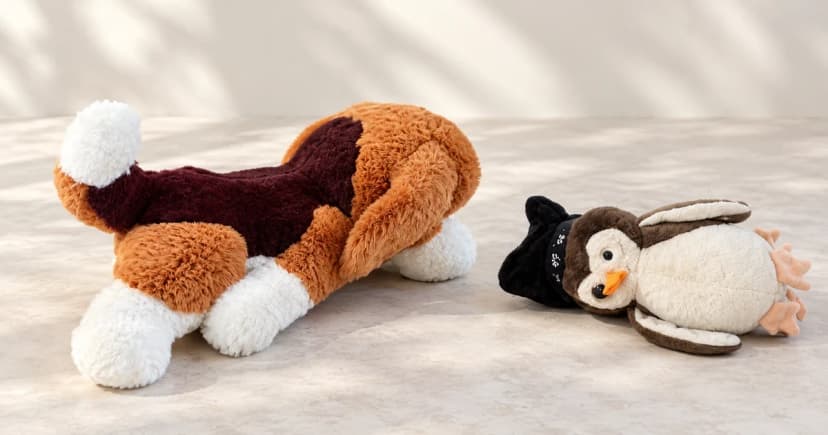
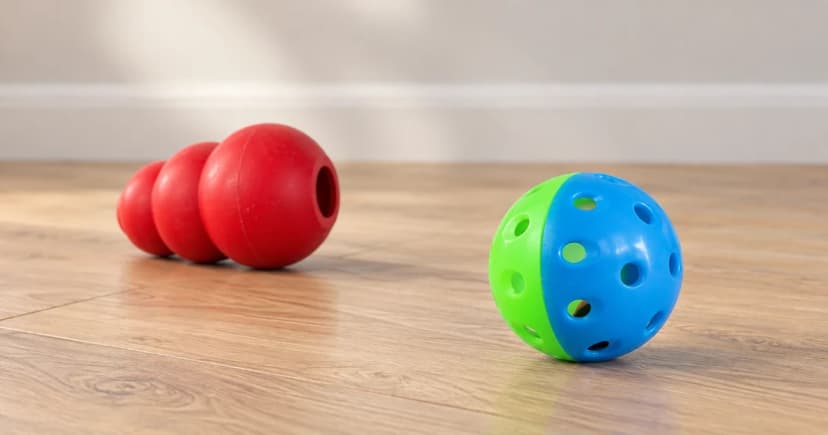
The dog toy category can help you compare equipment types, but it cannot establish what a particular dog finds uninteresting or rewarding. This is source-based teaching guidance, not a training trial, an emergency retrieval method or a guarantee against picking up an item.